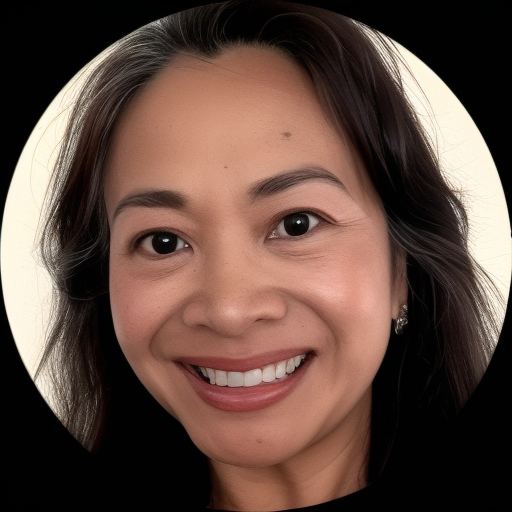
Dr. Chenda Moore
LPC· Accepting clientsTexas · 7 yrs exp
Stress, Anxiety · Relationship · Family · Grief · +15 more
Read profileThe therapy listings are provided by BetterHelp and we will earn a commission if you use our link - at no cost to you.
Accessing therapy in your native language can deepen understanding and make it easier to express your thoughts and feelings. Browse Khmer-speaking therapists below to find clinicians who match your needs and schedule a session.
Texas · 7 yrs exp
Stress, Anxiety · Relationship · Family · Grief · +15 more
Read profile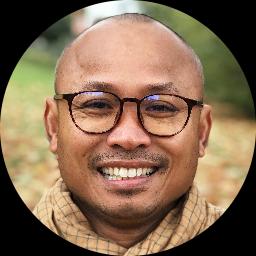
United Kingdom · 3 yrs exp
Stress, Anxiety · Trauma and abuse · Grief · Depression · +16 more
Read profile
Australia · 9 yrs exp
Addictions · LGBT · Trauma and abuse · Intimacy-related issues · +10 more
Read profile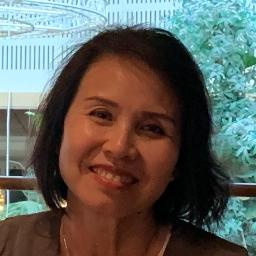
Australia · 15 yrs exp
Stress, Anxiety · Addictions · Family · Trauma and abuse · +1 more
Read profileWhen you speak with a clinician in Khmer, the therapeutic conversation can feel more familiar and less effortful. Language carries cultural meaning, idioms, and emotional nuance that are often lost in translation. You may find that phrases you use at home, expressions passed down in family conversations, and the way you describe feelings all resonate more naturally when a therapist shares your linguistic background. This shared language can help you explain painful experiences with greater clarity and allow your therapist to notice subtleties in tone and phrasing that inform treatment. Therapy is not only about techniques - it is about connection. Communicating in Khmer can support a stronger therapeutic bond, reduce misunderstandings, and foster a sense of being truly heard.
Many Khmer speakers report that speaking their native language allows them to access memories and emotions that feel inaccessible in another tongue. That depth of expression can be particularly important when exploring trauma, family dynamics, or grief. If you prefer to discuss complex feelings, childhood experiences, or cultural matters in Khmer, you will likely find the therapeutic process more meaningful and less constrained. Finding someone who understands both the language and cultural context can make it easier to translate those insights into practical steps for change.
Language barriers can introduce friction into therapy in ways you might not immediately notice. When you must think through how to say something in a second language, the emotional immediacy of what you want to convey can dim. Certain words or expressions in Khmer may have no direct equivalent in English, and attempts to translate them can flatten their emotional weight. This can lead to frustration, a sense of being misunderstood, and slower progress in therapy. Miscommunication may also cause clinicians to misinterpret the urgency or nature of your concerns, which affects treatment planning and the tools they choose to recommend.
Additionally, language barriers can make it harder to build rapport. Therapy relies on subtle feedback - pauses, tone shifts, and culturally specific references. If a therapist misses those cues, you may feel less comfortable sharing vulnerable material. You might also avoid bringing up topics that feel too personal to explain in a second language, which can limit the scope of the work you do together. Choosing a therapist who speaks Khmer reduces these obstacles and increases the likelihood that your emotional life will be represented accurately and respectfully in sessions.
Online therapy with a Khmer-speaking clinician typically follows a similar structure to in-person care - you and your therapist agree on session length, frequency, and goals. Sessions may focus on talking therapy, coping strategies, or culturally informed interventions that respect your background. You can expect the therapist to ask about your history, current stressors, and what you hope to change. Speaking in Khmer allows you to use culturally specific metaphors or proverbs that can aid understanding and treatment. Your therapist should also explain how they approach confidentiality and record keeping in clear, understandable language so you know how your information is handled.
Most online therapists use video or phone meetings, so you will need a stable internet connection and a device with audio and video capability if you choose video sessions. Many Khmer-speaking therapists are experienced working with clients across time zones and will offer flexible appointment times that fit your schedule. If you have concerns about privacy in your home during a session, it helps to identify a comfortable environment where you can speak freely - a room where you will not be interrupted or overheard. Your therapist can suggest ways to manage interruptions and may offer shorter check-ins if longer sessions are hard to arrange.
Seeking therapy can feel daunting for many Khmer speakers due to cultural attitudes and practical barriers. In some communities, mental health struggles are stigmatized or framed as issues to be managed within the family. You may worry about what others will think, or feel pressure to appear resilient. Those cultural expectations can make it harder to reach out for help or to name emotional pain aloud. Additionally, finding therapists who speak Khmer and understand cultural traditions can be challenging, especially if you live outside areas with larger Khmer communities.
Immigration history, intergenerational trauma, and language differences between parents and children are common themes in Khmer-speaking families. You might be navigating the stress of adapting to a new country, legal concerns, or the legacy of difficult events from the past. Those topics require sensitivity to cultural context and may benefit from a therapist who can speak your language and appreciate the ways family roles and values shape your choices. It is normal to feel uncertain about starting therapy; a good therapist will acknowledge those worries and help you move at a pace that feels respectful to your background.
Online therapy widens the pool of clinicians who can speak Khmer, since geography is less of a barrier. You can connect with therapists who specialize in the issues you face even if they are not located in your immediate area. This can be especially important if you live in a region with few Khmer-speaking providers, or if transportation and scheduling make in-person visits difficult. Online appointments can offer greater flexibility with timing and may reduce the time and cost associated with travel. Many people find that being able to meet from home or during a break from work makes it easier to maintain consistency with sessions.
Begin by clarifying what you want from therapy - emotional support, help with anxiety or depression, assistance with family or cultural issues, or guidance through life transitions. When you review profiles, look for a therapist who lists experience working with Khmer-speaking clients or with issues that match your goals. Pay attention to descriptions of therapeutic approach and specializations, and consider reaching out for a brief introductory message to see how they respond. A good match often depends on how comfortable you feel in those initial interactions - notice whether the therapist listens and responds in a way that feels respectful and culturally aware.
Ask about practical details such as appointment length, fees, and whether they accept insurance or offer sliding-scale rates if cost is a concern. If you have preferences about gender, age, or treatment style, mention them upfront. During the first few sessions you can evaluate whether the therapist's communication style and understanding of Khmer cultural context fit your needs. If something does not feel right, it is okay to try a different clinician. Finding the right therapist can take time, but speaking in your native language is an important step toward therapy that feels meaningful and effective.
Ultimately, therapy in Khmer can provide a clearer path to processing emotions, strengthening relationships, and navigating cultural complexities. By knowing what to expect from online sessions, acknowledging common concerns, and using practical criteria to choose a clinician, you can increase the chances of finding a therapeutic partnership that supports your wellbeing in a language that matters to you.