
Marie Pierre-Canel
LMHC· Accepting clientsFlorida · 8 yrs exp
Stress, Anxiety · Relationship · Family · Coping with life changes · +9 more
Read profileThe therapy listings are provided by BetterHelp and we will earn a commission if you use our link - at no cost to you.
Being able to talk about difficult feelings in your native language can make a big difference in therapy. Browse the Haitian Creole-speaking therapists below to find clinicians who offer care in Haitian Creole and schedule an appointment that fits your needs.
Florida · 8 yrs exp
Stress, Anxiety · Relationship · Family · Coping with life changes · +9 more
Read profile
Florida · 13 yrs exp
Stress, Anxiety · Relationship · Trauma and abuse · Self esteem · +4 more
Read profile
United Kingdom · 9 yrs exp
Addictions · LGBT · Relationship · Trauma and abuse · +7 more
Read profile
Ohio · 19 yrs exp
Stress, Anxiety · Addictions · Family · Depression · +15 more
Read profile
Florida · 4 yrs exp
Stress, Anxiety · Relationship · Self esteem · Depression · +1 more
Read profile
Georgia · 30 yrs exp
Stress, Anxiety · Relationship · Family · Depression · +12 more
Read profile
Pennsylvania · 25 yrs exp
Stress, Anxiety · Family · Self esteem · Depression · +1 more
Read profile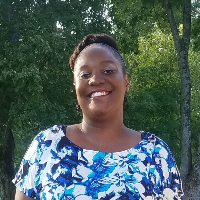
Alabama · 10 yrs exp
Stress, Anxiety · Family · Self esteem · Depression · +6 more
Read profile
Florida · 12 yrs exp
Trauma and abuse · Grief · Parenting · Coping with life changes · +12 more
Read profile
Maryland · 9 yrs exp
Stress, Anxiety · Family · Self esteem · Depression · +8 more
Read profile
Florida · 5 yrs exp
Stress, Anxiety · Family · Trauma and abuse · Self esteem · +12 more
Read profile
New York · 18 yrs exp
Stress, Anxiety · Relationship · Parenting · Anger · +1 more
Read profile
Florida · 7 yrs exp
Addictions · Self esteem · Stress, Anxiety · Anger · +2 more
Read profile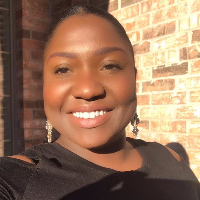
Florida · 19 yrs exp
Stress, Anxiety · Family · Trauma and abuse · Parenting · +13 more
Read profile
Florida · 15 yrs exp
Stress, Anxiety · Trauma and abuse · Self esteem · Depression · +11 more
Read profile
Florida · 18 yrs exp
Stress, Anxiety · Relationship · Family · Intimacy-related issues · +10 more
Read profile
Florida · 12 yrs exp
Stress, Anxiety · Addictions · Trauma and abuse · Grief · +13 more
Read profile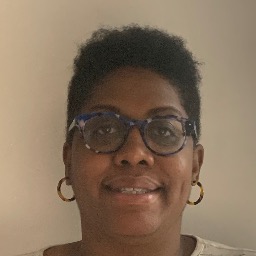
New Jersey · 14 yrs exp
Stress, Anxiety · Family · Parenting · Depression · +5 more
Read profile
New York · 3 yrs exp
Stress, Anxiety · Addictions · Relationship · Family · +8 more
Read profile
Maryland · 13 yrs exp
Family · Self esteem · Career · Depression · +8 more
Read profile
Maryland · 9 yrs exp
Relationship · Family · Trauma and abuse · Self esteem · +1 more
Read profile
Tennessee · 13 yrs exp
Stress, Anxiety · Grief · Self esteem · Coping with life changes · +4 more
Read profile
Pennsylvania · 6 yrs exp
Stress, Anxiety · Self esteem · Career · Depression · +15 more
Read profile
Connecticut · 14 yrs exp
Stress, Anxiety · Family · Trauma and abuse · Self esteem · +9 more
Read profileWhen you speak with a clinician in Haitian Creole, you gain access to more than translation. Language carries culture, idioms, and emotional nuance that shape how you describe your experience. Expressing sorrow, anger, or confusion in the language you grew up with can let you use familiar metaphors, proverbs, and phrases that capture the depth of what you feel. This helps your therapist understand the context behind your words rather than relying on imperfect substitutions. For many people, the ability to communicate in Haitian Creole reduces the effort it takes to access difficult memories and feelings, making each session more efficient and meaningful.
Therapy in your native language also supports cultural attunement. A therapist who speaks Haitian Creole is more likely to recognize cultural references, family dynamics, and community expectations that shape mental health. They can pick up on subtle cues in speech, humor, and storytelling that might otherwise be missed. This allows therapy to address both symptoms and the cultural factors that influence them, helping you work toward goals that fit your life and values.
If you must work through an interpreter or in a second language, you may find yourself simplifying your emotions, avoiding words that don’t translate well, or leaving out culturally specific details. These gaps can reduce the depth of the therapeutic conversation and make it harder to build trust. Misunderstandings about tone, sarcasm, or context may lead to misinterpretation of your needs. Even clinical language can be confusing when translated, which may affect the accuracy of assessments and the appropriateness of suggested strategies.
When emotional vocabulary is limited by language, you might feel frustrated because common solutions do not address the root of what you are experiencing. This can slow progress and leave you feeling less heard. Working directly in Haitian Creole helps prevent these issues by giving you access to the vocabulary and narrative forms that fit your experience. You can communicate subtleties and cultural references that help your therapist form a clearer, more personalized plan for support.
Online therapy allows you to meet with a Haitian Creole-speaking clinician from home or another place where you feel comfortable. The initial intake typically begins with questions about your history, concerns, and goals so the clinician can tailor sessions to your needs. You can expect the therapist to ask about family background, migration experiences, faith and spiritual practices, and community ties when those areas are relevant to your care. Language and cultural references will be used to help you make sense of patterns and to set meaningful goals.
Technology enables flexible scheduling and continuity of care even if you or your provider move or travel. Sessions usually follow a structure that includes check-ins, a focus on specific concerns, and time to practice skills or reflect on insights. If you have concerns about privacy or how sessions are conducted online, you can ask the clinician about the platform, techniques for maintaining a comfortable environment, and how notes are handled. A good therapist will explain the process clearly and invite questions about how therapy will work in practice.
Many Haitian Creole speakers worry about stigma around mental health within their families or communities. You may fear being judged, misunderstood, or seen as disloyal to cultural norms by seeking help. These worries can make the first steps feel risky. Another common concern is finding a therapist who truly understands both language and culture - not just someone who speaks Haitian Creole, but someone familiar with Haitian history, migration stress, religious practices, and family structures. Without that cultural context, therapy can feel generic or out of sync with your values.
Access is another barrier you may face. Local providers who speak Haitian Creole might be limited, and transportation, work schedules, or childcare can make in-person sessions difficult. Financial concerns also weigh heavily for many people. It is reasonable to ask about sliding scale fees, insurance options, and session length so you can plan accordingly. Finally, you might be unsure how to start a conversation about therapy with family members who have different ideas about mental health. A therapist who understands Haitian Creole culture can help you navigate those conversations and develop strategies that respect community ties while supporting your well-being.
Online therapy widens your options by connecting you with Haitian Creole-speaking clinicians beyond your immediate area. This increases the chance of finding someone whose training, therapeutic approach, and cultural background align with your needs. The convenience of remote sessions can make it easier to keep appointments around work, school, or caregiving responsibilities. You can also continue seeing the same therapist if you relocate, providing continuity during transitions such as immigration or job changes.
When choosing a therapist, look for clear information about their language skills, areas of expertise, and therapeutic approach. Consider whether you prefer someone who emphasizes practical strategies, trauma-informed care, family systems, or faith-sensitive support. It is reasonable to request a brief introductory call or a short first session to see how you connect. Pay attention to how the therapist listens to your story, whether they ask culturally relevant questions, and how they explain their methods. You should feel heard and able to express concerns about treatment plans, scheduling, and fees.
You can ask about the clinician’s experience working with Haitian Creole speakers, their approach to cultural issues, and how they handle emergency situations. Inquire about session frequency, typical goals, and how progress is measured. If you have specific needs - such as trauma history, migration-related stress, family conflict, or parenting support - ask how the therapist has supported clients with similar concerns. These conversations help you evaluate whether a therapist’s style and expertise match your expectations.
Think about practical details like appointment times, the platform used for online sessions, and whether the clinician offers shorter or longer sessions to accommodate your schedule. If cost is a concern, ask about sliding scale options or community resources that might reduce financial strain. You may also want to discuss how to involve family members or community supports when appropriate, while protecting your comfort and boundaries. Choosing a therapist is a personal process, and taking small steps - a phone call, an intake form, or a trial session - can help you find a good match.
Seeking therapy in Haitian Creole can open a path to clearer understanding, culturally sensitive strategies, and more meaningful emotional expression. Whether you are addressing immediate stressors or working toward long-term growth, finding a therapist who communicates in your native language can help you feel more understood and better supported on the way to your goals.