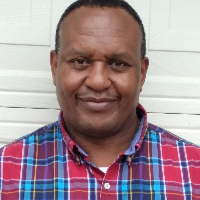
Peter Mburu
LPCTexas · 7 yrs exp
Stress, Anxiety · Addictions · Relationship · Sleeping · +12 more
Read profileThe therapy listings are provided by BetterHelp and we will earn a commission if you use our link - at no cost to you.
Accessing therapy in your native Kikuyu can make a real difference in how you express yourself and feel understood. Browse Kikuyu-speaking therapists below to find someone who matches your needs and cultural background.
Texas · 7 yrs exp
Stress, Anxiety · Addictions · Relationship · Sleeping · +12 more
Read profile
North Carolina · 22 yrs exp
Stress, Anxiety · Relationship · Trauma and abuse · Grief · +13 more
Read profile
Australia · 5 yrs exp
Stress, Anxiety · Grief · Self esteem · Depression · +1 more
Read profileWhen you speak to a therapist in Kikuyu you tap into the rhythms, metaphors, and emotional nuance of your first language. Words carry cultural meaning beyond literal translation, and the voice you use to describe pain, joy, loss, or hope often depends on linguistic subtleties that are lost when you use a second language. In therapy, those subtleties shape how feelings are named, how memories are recalled, and how trust is built. You are more likely to describe experiences fully, to use expressions that reflect community values, and to feel that your background is recognized when your therapist shares or understands your language.
Language also influences identity. For many Kikuyu speakers, family stories, proverbs, and everyday humor are bound up in Kikuyu expressions. A therapist who can listen and respond in that language can help you connect those cultural threads to your present concerns. That connection often leads to deeper insight, a greater sense of being heard, and a therapeutic relationship that feels more authentic. If you have ever felt that translation diluted what you wanted to say, seeking a Kikuyu-speaking therapist may help you reclaim those exact words and the emotions that go with them.
Language differences can interfere with more than just vocabulary - they can change the entire shape of a therapeutic conversation. When you use a second language you may find it harder to access intense feelings, to joke or to use idiom, and to describe complex family dynamics. That narrowing of expression can slow progress because the therapist receives an incomplete picture of your experience. Misunderstandings about tone, sarcasm, or culturally specific references may lead to inaccurate conclusions about what matters most to you.
Beyond miscommunication, language barriers can affect rapport. You may feel less comfortable disclosing sensitive topics if you worry that your words will be misunderstood or that the therapist will not grasp cultural context. That reluctance can limit the depth of work you do in sessions. In some cases, relying on interpretation or translation services can help, but interpreters change the dynamic and may inhibit spontaneity. Choosing a therapist who speaks Kikuyu reduces those barriers and allows emotional expression to flow more naturally, which often leads to clearer goals and more meaningful outcomes.
Online therapy makes it easier to find a therapist who speaks Kikuyu even if there are few providers nearby. Your first session will often focus on building rapport and establishing goals. Expect your therapist to ask about your background, family, values, and what has brought you to therapy now. Because you are communicating in Kikuyu, you can use cultural references and stories that help the therapist understand your life in context. Sessions may include conversational work, skill building, and exploration of past experiences, tailored to your pace and preferences.
Practical details matter too. You will discuss session length, frequency, fees, and how to handle emergencies or scheduling changes. If you prefer a mix of live conversation and written reflections, mention that - many therapists adapt to different communication styles. Online therapy can take place by video, voice call, or messaging depending on what you and your therapist agree on. The key is that you should feel able to express yourself in a way that best matches how you think and feel in Kikuyu.
Cultural expectations and stigma are frequent obstacles. You may worry about how family or community members will react if they learn you are seeing a therapist. There can be pressure to resolve problems within the family or to rely on spiritual supports, which may make professional help feel unnecessary or shameful. Those concerns can make it harder to reach out or to keep appointments, especially if you fear judgment. You may also worry about finding a therapist who understands Kikuyu cultural norms, rites of passage, or the role of extended family in decision making.
Another common worry is privacy within community networks. You might hesitate to speak openly if you fear that a therapist will not understand how interconnected family relationships are, or if you are unsure how therapy will fit with cultural practices. Finding a therapist who is attuned to Kikuyu culture - and who can discuss confidentiality practices in clear terms - helps you weigh these concerns and decide how to proceed. It is reasonable to bring these topics into early sessions so you and your therapist can negotiate boundaries, expectations, and approaches that feel respectful of your cultural values.
Online therapy expands your options far beyond local providers. You can connect with therapists who share your language and cultural background even if they live in another city or country. That access increases the likelihood of finding someone whose training, therapeutic style, and cultural knowledge match your needs. Online sessions also offer flexibility in scheduling and reduce travel time, which can be important if you balance work, family, or caregiving responsibilities. For many people, the convenience of online sessions makes it easier to maintain regular therapy over months or years.
Start by clarifying what you want from therapy - whether you seek support for anxiety, relationship challenges, grief, life transitions, or general personal growth. Look for therapists who describe experience with the issues that matter to you and who mention cultural or language competence in Kikuyu. During an initial consultation, notice whether you feel heard and whether the therapist understands references that matter to you. Ask about their approach to family involvement and to culturally specific practices, and discuss how they incorporate cultural values into care. Consider practical factors such as session format, availability, and fee structure, and whether they offer a pace that suits your life.
Trust your instincts. If you do not feel a connection, it is okay to try another clinician - finding the right therapeutic fit can make a big difference in how comfortable you feel expressing difficult emotions. When you find a therapist who speaks Kikuyu and resonates with your values, you are more likely to stick with therapy and to see meaningful personal growth. Remember that seeking help is a step toward understanding and healing - taking that step in the language that feels most like you can make the journey feel more authentic and effective.