
Julia Eduardo
BACP· Accepting clientsUnited Kingdom · 10 yrs exp
Stress, Anxiety · Addictions · Trauma and abuse · Grief · +9 more
Read profileThe therapy listings are provided by BetterHelp and we will earn a commission if you use our link - at no cost to you.
Receiving therapy in your native language can deepen understanding and help you express emotions more clearly. Below you can browse Lingala-speaking therapists and learn about their approaches.
Use the profiles to compare specialties and find a clinician who matches your needs, then reach out to schedule an initial session.
United Kingdom · 10 yrs exp
Stress, Anxiety · Addictions · Trauma and abuse · Grief · +9 more
Read profile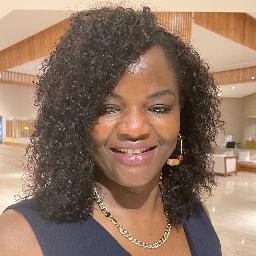
Oregon · 7 yrs exp
Stress, Anxiety · Trauma and abuse · Parenting · Self esteem · +12 more
Read profileWhen you meet with a therapist who can speak Lingala, you gain access to the nuances of your first language - the idioms, tones, sayings, and emotional vocabulary that shape how you understand your life. Many people find it easier to name feelings, tell stories from childhood, and describe cultural experiences when they can use the words that feel most natural. That ease of expression helps your therapist hear the subtleties behind your concerns and respond in ways that resonate with your experience.
Therapy is built on a relationship. Language is a core part of how relationships are formed and maintained. Speaking Lingala with your clinician can make it easier to build trust, reduce misunderstandings, and have conversations that feel authentic. This connection matters whether you are dealing with stress, grief, family conflict, or the lasting effects of migration. You do not have to translate complex feelings into a second language before they can be addressed.
Language differences can change the shape of a session. If you are using a language that is not your strongest, you may find it harder to access metaphors, jokes, or culturally specific references that carry emotional weight. This can leave important parts of your story untold. Misunderstandings about terms and phrases may lead a therapist to misinterpret your concerns or miss underlying themes. That is not about fault - it is simply the way language frames thought.
Beyond semantics, language barriers can alter how comfortable you feel being vulnerable. You might avoid bringing up topics that feel too complicated to explain in a second language, or you may settle for simpler descriptions of pain. Over time this can slow progress or shape goals that do not align with your deeper needs. When possible, working with a Lingala-speaking clinician reduces these risks and helps your therapy stay centered on what matters to you.
Online therapy sessions with a Lingala-speaking therapist function similarly to in-person care in many ways. Typically you will start with an intake or initial consultation in which you and the clinician discuss your reasons for seeking support, your goals, and any background that is relevant. This is a time for you to ask how they use Lingala in sessions - whether they can switch between Lingala and another language if needed, which dialects they are familiar with, and how they approach cultural topics.
Logistics such as session length, frequency, fees, and cancellation policies are best clarified upfront. You should also ask about the technologies used for video or phone sessions and how to prepare for a visit from your own side - for example, finding a quiet, undisturbed private space and minimizing interruptions. While online therapy offers convenience, you will still want to confirm how records are handled, how contact is managed between sessions, and what to expect in an emergency or crisis. A good clinician will welcome these questions and explain how they work within legal and ethical guidelines.
Many Lingala-speaking people consider therapy in the context of family and community norms. Cultural stigma about mental health, worries about being judged, and fears about appearing weak can make the first step feel daunting. You may also worry about whether a clinician truly understands the cultural values, religious practices, or migration experiences that shape your life. These are valid concerns and worth raising during an initial conversation.
Practical barriers often include limited availability of clinicians who speak Lingala in your area, transportation issues, or scheduling conflicts due to work and family responsibilities. For migrants and diaspora communities, there can also be concerns about legal status, confidentiality of records, and cultural differences in expectations for therapy. Asking potential therapists about their experience working with Lingala-speaking clients, their cultural background, and how they address these concerns can help you find someone who fits your needs. You deserve a therapist who listens to these worries and integrates them into treatment planning.
Online therapy expands the pool of available clinicians beyond your immediate neighborhood. That means you are more likely to find a therapist who speaks Lingala and understands specific cultural contexts. You can choose someone with relevant expertise - for example, experience with migration stress, family dynamics across cultures, or trauma-informed care - without being limited by geography. This geographic flexibility can be especially important if you live in an area with few bilingual providers.
In addition to access, online therapy offers scheduling flexibility. You may find it easier to set sessions around work, caregiving, or religious obligations when meeting virtually. Many people also feel more comfortable starting therapy from home where they can control their environment. To make the most of a session, identify a private space in your home where you can speak without interruption and feel emotionally ready to engage. Convenience does not replace quality - it enhances your ability to attend consistently and to integrate therapy into your daily life.
Begin by considering what matters most to you. Are you looking for short-term support for a specific problem, ongoing therapy for deeper issues, or something focused on trauma or family relationships? Once you have a sense of goals, look for clinicians who list relevant specialties and who note their language abilities clearly. When you contact a prospective therapist, ask about their fluency in Lingala, whether they understand regional dialects, and how they integrate cultural context into their work.
Pay attention to how a therapist answers your questions. Do they listen carefully, validate your concerns, and explain their approach in ways that make sense to you? It is reasonable to ask about their training, license, therapeutic orientation, and experience with communities that share your background. If you are unsure after a first session, trust your feeling - it is okay to try a different clinician until you find a fit. Remember that the therapeutic relationship is a collaborative one, and the right match can help you make meaningful progress.
Finding a Lingala-speaking therapist can open doors to deeper understanding and more honest conversation. By clarifying your needs, asking practical questions about language and approach, and taking advantage of online options, you increase the chances of finding care that feels relevant and respectful of your culture. When you are ready, use the profiles above to reach out and schedule an initial consultation to see how a clinician meets your needs in 2026 and beyond.