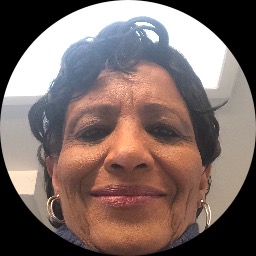
Deginesh Worku
LMHC, LPCCCalifornia · 30 yrs exp
Stress, Anxiety · Relationship · Self esteem · Depression
Read profileThe therapy listings are provided by BetterHelp and we will earn a commission if you use our link - at no cost to you.
Accessing therapy in your native language can make a big difference in how you express feelings and understand care. Below you can browse Oromo-speaking therapists who offer culturally informed support.
Use the profiles to learn about each clinician's approach and contact options to start the conversation.
When you meet with a therapist who speaks Oromo, you are more likely to be understood not just linguistically but culturally. Language shapes how you name emotions, tell stories, and make meaning of difficult experiences. In Oromo, particular expressions, proverbs, and social norms carry shades of meaning that do not always translate directly into another language. Having a clinician who shares or understands that linguistic context allows you to communicate nuances without constantly searching for the right words. That can lead to a stronger therapeutic connection and more meaningful progress.
Beyond words, therapy in Oromo can reduce the friction you might feel when explaining cultural practices, family dynamics, or community pressures. A therapist who recognizes cultural reference points and social expectations can respond in ways that respect your worldview. That does not mean the clinician will agree with every cultural norm, but it does allow for conversations that are grounded in shared understanding. For many people, this foundation makes it easier to explore sensitive topics, experiment with new behaviors, and set goals that feel realistic within their cultural life.
Language barriers can change the course of therapy in subtle and obvious ways. If you are working in a language that is not your first, you may find it harder to name emotions, recall specific memories, or talk about traumatic experiences. This can slow progress or cause misunderstandings that steer sessions away from the issues you care about. Miscommunication can also create frustration for both you and your therapist, reducing trust and making it harder to use therapeutic tools effectively.
Emotional expression is tied to vocabulary and habit. You might avoid certain topics because translating them feels awkward or because the words available in a second language do not capture the intensity of what you feel. In addition, cultural differences in how distress is described - whether through physical complaints, relational concerns, or spiritual language - can be misinterpreted if the therapist lacks cultural awareness. Choosing a clinician who speaks Oromo helps ensure that your emotional experience is heard in the way you intend, which supports clearer treatment goals and a more accurate therapeutic plan.
Online therapy offers a familiar setting for many people while expanding access to clinicians who speak Oromo, even if they are not in your immediate area. When you schedule a session, expect an initial intake that explores what brought you to therapy, your current needs, and practical details like availability and fees. A therapist who speaks Oromo will likely invite you to describe your goals in your own words and may check in frequently to ensure meaning has not been lost in translation. Sessions can include conversational therapy, skills training, problem solving, or culturally adapted approaches depending on your needs.
Technology can make therapy more flexible. You may choose video for face-to-face interaction or phone for audio-only sessions if that feels more comfortable. Be prepared to discuss privacy at the start of your work together, as well as the logistics of session length and payment. If you are balancing work, family, or caregiving responsibilities, online sessions can reduce travel time and make scheduling easier. Successful online therapy depends on a reliable internet connection, an environment where you can talk openly, and clear communication about expectations between you and your clinician.
Many Oromo speakers worry about stigma, not being understood, or difficulty finding a provider who respects their cultural background. Stigma about mental health can exist within family systems and community networks, which may make you hesitant to reach out. Concerns about discrimination or cultural insensitivity are valid, and they often lead people to delay help until problems escalate. Finding a therapist who speaks Oromo can alleviate some of these worries by creating a setting where cultural references and values are part of the conversation.
Online therapy helps address access issues by widening the pool of available clinicians. If local options are limited, you can work with a therapist in another city or state who shares your language and cultural knowledge. This opens up possibilities for specialized care, flexible scheduling, and continuity of care if you move or travel. In addition, the convenience of online sessions can lower the barrier to consistent attendance, which improves outcomes over time. While online services are not a solution for every situation, they offer a practical alternative for many Oromo speakers who need culturally responsive support.
Start by clarifying what you want from therapy. Consider whether you prefer short-term support for a specific problem or longer-term work that explores patterns and relationships. Think about whether you want a therapist who shares your regional background or expertise in areas such as trauma, family dynamics, grief, or acculturation stress. When you review profiles, look for information about training, therapeutic approach, and areas of focus. Reading a clinician's description can give you a sense of their style and whether it aligns with your expectations.
During your first contact, it is appropriate to ask questions about how the therapist integrates cultural values into their work, how they handle family involvement if that is a concern, and what modalities they use in online sessions. You may also inquire about session frequency, payment methods, and how they support clients facing language-based misunderstandings. Trust your instincts about rapport - feeling heard and respected in the first few conversations is an important sign. If a match does not feel right, it is okay to continue searching until you find a clinician who fits your needs.
Seeking therapy in Oromo can be a meaningful step toward better mental and emotional well-being because it allows you to speak in the language that best expresses your inner life. Whether you try a few sessions to see how it feels or commit to longer-term work, finding a therapist who listens with cultural awareness will help you get the most out of the experience. Use the listings above to explore profiles, reach out with questions, and schedule a first session when you feel ready.