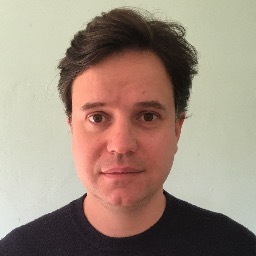
Gorazd Valjavec
BACPUnited Kingdom · 6 yrs exp
Stress, Anxiety · Relationship · Family · Intimacy-related issues · +12 more
Read profileThe therapy listings are provided by BetterHelp and we will earn a commission if you use our link - at no cost to you.
Receiving care in your native language can help you express thoughts and emotions more fully. Browse Slovenian-speaking therapists below to find someone who understands your language and cultural context. Start your search and choose a therapist who feels like a good fit.
When you speak with a therapist in Slovenian, you open the door to a different quality of connection. Language is not only a tool for exchanging information - it carries culture, idioms, memories, and the rhythms of how you learned to name feelings. You may find it easier to describe nuanced emotions, childhood experiences, or culturally specific values when you can use familiar words and expressions. This can help you reach insights more quickly and feel truly understood, which often strengthens the therapeutic bond and the overall process of change.
Many emotional concepts do not translate neatly between languages. A word or phrase you learned in Slovenian may carry layered meanings tied to family life, tradition, or social expectations. Working in your native language allows you to preserve those layers and explore them with precision. You are less likely to rely on simplified or awkward translations that can dilute the emotional content of your stories. That preserved nuance can make therapy feel more personal and relevant to your life.
If you and your therapist are using a second language, subtle meanings can be lost, and you may find yourself repeating or avoiding topics because you cannot express them comfortably. This can create distance in the therapeutic relationship and slow progress. Misunderstandings are not necessarily the fault of either person, but they can lead to frustration, misaligned goals, or a sense that sessions are less useful than you hoped. Recognizing this early can help you choose a therapist who can engage with you in the language that best supports your exploration.
You might discover that certain words or phrases are tied to shame, humor, or affection in a way that only makes sense in Slovenian. When you are asked to describe painful memories in a language that feels foreign, you may unconsciously distance yourself from those memories. That distancing can feel protective, but it can also limit the depth of emotional work. Speaking in Slovenian often makes it easier to be vulnerable when you are ready, because the words feel familiar and less clinical than their counterparts in a second language.
Online therapy in Slovenian typically takes place through video, audio, or messaging sessions, depending on the therapist's setup. You should expect an initial consultation where you and the therapist discuss your reasons for seeking help, goals for therapy, and practical arrangements such as session length, fees, and scheduling. Therapists who speak Slovenian will usually invite you to describe what matters most to you and will adapt their approach to your cultural context and communication preferences.
Therapists vary in style - some focus on problem-solving and skills, while others prioritize emotional processing or a relational approach. A Slovenian-speaking therapist who understands cultural norms can help you navigate issues that are common in Slovenian communities, such as family expectations, migration-related stress, bilingual identity, or intergenerational differences. You can expect the therapist to ask about language preferences and how cultural background shapes your experience, so you can work together in a way that feels respectful and effective.
Seeking therapy can feel daunting in communities where mental health is not openly discussed. You may worry about being judged by family or friends, or feel pressure to handle problems independently. These cultural expectations can slow the decision to seek help, or make it harder to speak openly at first. A therapist who speaks Slovenian can gently navigate these concerns and help you find language that honors your background while supporting change. They can also discuss strategies for managing conversations with loved ones if that becomes part of your goals.
Locating a therapist who both speaks Slovenian and matches your clinical needs can be challenging, especially if you live in an area with fewer bilingual providers. You may worry about differences in therapeutic approach, age, or values. It is reasonable to ask potential therapists about their experience with Slovenian-speaking clients, their approach to culturally informed care, and whether they have worked with issues similar to yours. A good match often comes from aligning on communication style and therapeutic goals as much as shared language.
Online therapy widens your access to clinicians who speak Slovenian, letting you connect with someone who shares your language even if they do not live nearby. This flexibility is especially helpful if you have a busy schedule, transportation limits, or live in a region where Slovenian-speaking providers are rare. Online sessions let you participate from a comfortable setting, choose times that fit your life, and maintain continuity of care if you travel or move. For many people, the ability to maintain a consistent therapeutic relationship with a Slovenian-speaking professional outweighs the inconvenience of in-person travel.
When evaluating Slovenian-speaking therapists, consider how you want to be supported and how a therapist's approach fits your needs. Think about whether you prefer a therapist who focuses on practical coping skills, one who emphasizes understanding emotions and patterns, or someone who blends approaches. It is appropriate to ask about the therapist's training, experience with issues you care about, and how they approach cultural and linguistic differences. Trust your reactions during an initial session - feeling heard and understood is a strong indicator that the therapist could be a good match.
Before your first appointment, take time to clarify what you hope to accomplish in therapy and write down any questions you want to ask. During early sessions, notice how the therapist responds when you use culturally specific terms or describe family dynamics. If something feels unclear, you can request more explanation or examples in Slovenian to ensure you are both on the same page. Remember that it is okay to try a few therapists before settling on the one who feels right - finding the right fit is part of the process.
Searching for a Slovenian-speaking therapist is a practical step toward getting help that respects your language and cultural background. Whether you are exploring therapy for the first time or returning after a break, speaking in Slovenian can make the work feel more accessible and personally meaningful. Use your initial consultations to assess rapport, communication style, and therapeutic approach. With the right match, you can build a collaborative relationship that supports your goals and helps you navigate challenges with clarity and dignity.
Therapy is a process that unfolds over time, and progress often comes in small but meaningful steps. Keep in mind that feeling comfortable with a therapist is not always immediate - trust builds as you share more and notice patterns changing in your life. By choosing a Slovenian-speaking professional who resonates with you, you increase the chances that sessions will be emotionally resonant and practically useful. When you feel ready, schedule a consultation and begin the work of finding a therapist who meets your language and cultural needs.