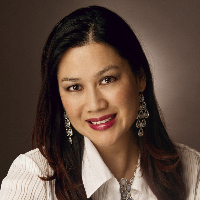
Dr. Phuong "Diane" Nguyen
LMFT· Accepting clientsNevada · 18 yrs exp
Stress, Anxiety · Self esteem · Career · Depression · +12 more
Read profileThe therapy listings are provided by BetterHelp and we will earn a commission if you use our link - at no cost to you.
Receiving therapy in your native language can make it easier to express emotions, share memories, and connect with a clinician who understands cultural context. Browse the Vietnamese-speaking therapists listed below to find professionals who match your needs and preferences.
Nevada · 18 yrs exp
Stress, Anxiety · Self esteem · Career · Depression · +12 more
Read profile
Texas · 5 yrs exp
Stress, Anxiety · Relationship · Trauma and abuse · Self esteem · +1 more
Read profile
Oklahoma · 4 yrs exp
Stress, Anxiety · Relationship · Grief · Self esteem · +1 more
Read profile
California · 15 yrs exp
Addictions · Relationship · Family · Self esteem · +16 more
Read profile
California · 9 yrs exp
Stress, Anxiety · Relationship · Family · Grief · +10 more
Read profile
Florida · 9 yrs exp
Stress, Anxiety · Parenting · Self esteem · Coping with life changes · +9 more
Read profile
California · 20 yrs exp
Stress, Anxiety · Relationship · Family · Trauma and abuse · +10 more
Read profile
Australia · 4 yrs exp
Stress, Anxiety · Trauma and abuse · Anger · Self esteem · +4 more
Read profile
California · 10 yrs exp
Stress, Anxiety · Grief · Self esteem · Depression · +3 more
Read profile
Texas · 3 yrs exp
Stress, Anxiety · Trauma and abuse · Grief · Depression · +1 more
Read profile
California · 15 yrs exp
Stress, Anxiety · Trauma and abuse · Grief · Depression · +1 more
Read profile
California · 5 yrs exp
Stress, Anxiety · Trauma and abuse · Self esteem · Depression · +1 more
Read profile
Australia · 25 yrs exp
Stress, Anxiety · Relationship · Grief · Self esteem · +1 more
Read profile
California · 12 yrs exp
Stress, Anxiety · Relationship · Trauma and abuse · Self esteem · +1 more
Read profile
California · 12 yrs exp
Stress, Anxiety · Parenting · Anger · Self esteem · +1 more
Read profileWhen you speak with a therapist in Vietnamese, you gain more than literal translation. You gain access to emotional nuance, cultural references, and shared idioms that shape how you describe your experience. Language shapes thought and feeling, and being able to use familiar phrases and metaphors can let you explain painful or complicated experiences more clearly. This matters in building trust and helping your therapist accurately understand what you are going through.
Therapy in Vietnamese also helps preserve cultural context that might otherwise be lost. Family dynamics, expectations around duty and honor, religious or communal practices, and traditional views about mental health and resilience often carry meanings that are closely tied to language. A clinician who speaks Vietnamese is more likely to pick up on these subtleties and to ask questions in ways that feel culturally relevant rather than clinical and distant. That cultural attunement can make sessions feel more meaningful and less isolating.
You may find that certain emotions are easier to name or describe in Vietnamese, and that some experiences are embedded in cultural terms that do not translate cleanly into English. Having the option to switch between languages, or to remain fully in Vietnamese, helps you preserve the emotional texture of those memories. This preserves the therapeutic integrity of your story and supports deeper exploration without forcing you to adapt your words to a language that may strip away important layers of meaning.
Language barriers change the shape of therapy. Misunderstandings can lead to incorrect conclusions about your needs, and subtle emotional cues can be missed when you and your therapist do not share a language. When you are pushed to describe complex feelings in a second language, you may unconsciously simplify or avoid certain topics because the right words do not come easily. That can slow progress and make therapy feel less helpful.
Beyond misinterpretation, language mismatch can influence the therapeutic alliance - the sense of connection and safety you need to be open. If you are constantly translating, you may feel fatigued or less able to reflect deeply during sessions. You might also sense that cultural references are unfamiliar to your therapist, leading to repeated explanations rather than mutual understanding. Choosing a clinician who speaks Vietnamese can reduce these barriers and allow your sessions to move more directly to the issues you want to address.
Online therapy with a Vietnamese-speaking clinician offers many of the same elements as face-to-face care, adapted to a digital format. You can expect a structured conversation where the therapist asks about your goals, your history, and what you would like to change. Sessions may be focused on skill-building, exploring patterns in relationships, processing past events, or helping you manage day-to-day stress. You and your therapist will agree on a format that fits your needs - whether that is weekly check-ins, short-term problem solving, or longer-term therapy.
Technology lets you meet from home, from work during a break, or from anywhere you feel comfortable. Expect to discuss practical details at the start - how to join sessions, what to do in case of technical difficulties, and how cancellations or rescheduling are handled. You should also talk about expectations for communication between sessions, such as messaging or email policies, so you know how to reach your clinician if concerns arise.
Because culture influences how quickly people open up, your therapist will likely move at a pace that respects your comfort level. If you prefer a more directive approach, or if you want a therapist who facilitates reflection and exploration, you can ask about their style during an initial consultation. It is normal to try a couple of clinicians before you find the right dynamic, and online options increase the range of professionals you can meet without travel.
Many Vietnamese speakers worry about stigma and misunderstandings when considering therapy. In some families and communities, mental health challenges are framed as weakness or are minimized, which can make it difficult to seek help openly. You may be concerned about how family members will react if they learn you are in therapy, or you may worry about being judged for seeking professional support. These are valid concerns that a culturally attuned Vietnamese-speaking therapist can help you navigate.
Another common barrier is simply finding a provider who speaks Vietnamese and understands regional, generational, and diaspora differences. Language alone does not guarantee cultural fit; dialect, immigration history, religious background, and attitudes toward therapy can vary widely. Practical barriers such as work schedules, childcare, and transportation can also make in-person care difficult, which is why many people are turning to online therapy as a more accessible option.
Online therapy expands your options. You are no longer limited to providers in your immediate area, and you can connect with clinicians who share your language and cultural background even if they live in another city or state. This broader access increases the chance of finding a therapist whose training and specialties match your needs, whether you are seeking support for anxiety, relationship challenges, grief, or the stress of immigration and acculturation.
Flexibility is another key benefit. You can schedule sessions outside of typical office hours, which can make it easier to balance work and family responsibilities. Online therapy also removes travel time, which reduces the overall time commitment and can allow for more consistent attendance. For people managing multiple obligations, this flexibility can make the difference between starting therapy and never getting around to it.
Begin by clarifying what you want from therapy. Are you looking for short-term coping strategies, help with a specific relationship, or long-term work on patterns that have shaped your life? Knowing your goals will guide your search and help you evaluate whether a clinician's approach fits your needs. Look for therapists who describe their specializations and who mention experience working with Vietnamese communities or related cultural issues.
Ask about practical details during an initial conversation. Inquire about their therapeutic orientation and what a typical session looks like. Ask how they incorporate cultural values in their work, how they handle differences in family expectations, and how they support clients who are balancing multiple cultural identities. You should also discuss logistics like session length, scheduling, payment options, and what to do in case of emergencies so you have clear expectations.
Trust your instincts about rapport. The first few sessions are a good test of whether you feel heard, respected, and capable of speaking openly. If something feels off - whether it's communication style, pace, or approach - it is acceptable to try a different clinician until you find one who feels right. Therapy is a personal journey and finding the right partner can make a substantial difference in the quality and pace of your progress.
Seeking help in Vietnamese can be an empowering step toward feeling better understood and more connected to your own story. With online options, you have more choice and flexibility to find a therapist who speaks your language and relates to your cultural experience. Take the time to explore profiles, ask questions, and select a clinician who meets your needs so you can begin the work that matters to you.