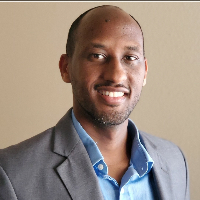
Berekat Petros
LPC, LMHCFlorida · 12 yrs exp
Stress, Anxiety · Anger · Self esteem · Bipolar · +10 more
Read profileThe therapy listings are provided by BetterHelp and we will earn a commission if you use our link - at no cost to you.
Therapy in your native language can help you express emotions and experiences more fully. Browse the Amharic-speaking therapists below to find a clinician who matches your needs and start a conversation.
Florida · 12 yrs exp
Stress, Anxiety · Anger · Self esteem · Bipolar · +10 more
Read profile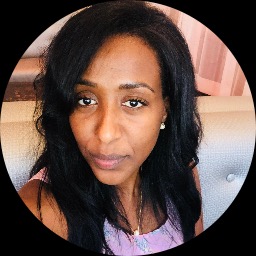
Georgia · 10 yrs exp
Stress, Anxiety · Relationship · Self esteem · Depression · +6 more
Read profile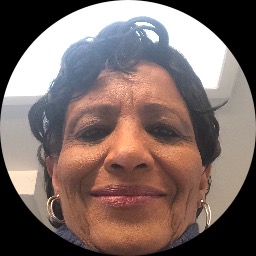
California · 30 yrs exp
Stress, Anxiety · Relationship · Self esteem · Depression
Read profile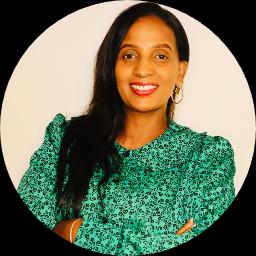
United Kingdom · 3 yrs exp
Stress, Anxiety · Relationship · Trauma and abuse · Grief · +1 more
Read profileWhen you speak in Amharic with a therapist, conversations often carry meanings that go beyond literal translation. Certain expressions, proverbs, and cultural references are rich with emotion and context, and being able to use them without filtering helps you describe your experience more accurately. You may find it easier to convey childhood memories, family dynamics, or spiritual beliefs when you can reach for the exact phrasing that feels natural to you. That clarity supports deeper understanding between you and your therapist and can make sessions feel more authentic and resonant.
Language also shapes how you name and interpret feelings. Some concepts are embedded within social practices, honorifics, or familial roles that are specific to Amharic-speaking communities. A therapist who shares that linguistic background is more likely to notice subtle cues, understand cultural expectations, and respond in ways that reflect your lived reality. For many people, being heard in their mother tongue reduces the distance between thoughts and expression, which can be an important step toward meaningful change.
Working through a language barrier in therapy can lead to misinterpretation, frustration, and a sense that something essential is missing. When you translate feelings into a second language, the shades of meaning and the emotional weight of certain words can shift. That shift may make it harder to access difficult emotions, to describe trauma in full, or to communicate about interpersonal conflicts in ways that feel accurate. You might notice yourself using simpler terms, avoiding metaphors, or resorting to generalities rather than the precise language that carries your meaning.
Beyond vocabulary, nonverbal cues and culturally specific communication styles play a role. Pauses, indirect speech, or certain forms of politeness may be misread by someone unfamiliar with Amharic-speaking cultural norms. Those misunderstandings can slow progress and make it feel like you and your therapist are not on the same page. Choosing a therapist who speaks Amharic helps reduce these gaps, allowing you to focus on the content of therapy rather than the mechanics of translation.
Online therapy with an Amharic-speaking clinician can look similar to any other virtual therapeutic relationship, but with the comfort of communicating in your preferred language. Sessions commonly take place via video calls, though some therapists offer phone or messaging options depending on their practice. You can expect a first session that focuses on getting to know you - your background, what brought you to therapy, and what you hope to achieve. This intake conversation gives your therapist a baseline and helps you both set goals that are culturally and personally relevant.
Therapists who speak Amharic may also incorporate culturally informed approaches into their work. That can mean acknowledging community expectations, religious practices, migration experiences, and family dynamics that influence mental wellbeing. You should feel able to discuss how cultural values shape your decisions and relationships. In terms of logistics, online therapy often offers flexible scheduling and the convenience of joining sessions from your own home or another comfortable environment. Clear communication about rates, cancellation policies, and how to contact the therapist between sessions will typically be provided up front so you know what to expect.
Many Amharic speakers worry about stigma within their families or communities when considering therapy. You may fear judgment, misunderstanding, or gossip, and that fear can make the first step feel daunting. There is also the practical challenge of finding therapists who speak Amharic and who have experience with issues common to your community. Geographic limitations, work schedules, and caregiving responsibilities can further restrict your options, which is why broader access through online services can be meaningful.
Another concern is cultural fit - you might wonder whether a therapist will respect your traditions, religious background, or perspectives on family hierarchy. It is reasonable to ask potential therapists about their experience working with Amharic-speaking clients, their approach to cultural values, and how they address concerns about faith or community expectations. Financial questions are also common. If cost is a barrier, you can look for therapists who offer sliding scale fees or who accept insurance that applies to your situation. Taking time to clarify these practical and cultural considerations can help you find a clinician who feels like a good match.
Online therapy significantly expands the pool of Amharic-speaking clinicians you can reach. You no longer need to rely only on providers in your immediate area, which is particularly helpful in regions where Amharic-speaking therapists are scarce. Teletherapy offers scheduling flexibility, the ability to join sessions while traveling or during work breaks, and the convenience of attending from a setting that feels comfortable to you. This accessibility can be especially valuable if you are balancing family responsibilities, irregular work hours, or transportation challenges.
When choosing an Amharic-speaking therapist, consider several practical factors. Start by identifying the issues you want to address and look for clinicians who list relevant specialties or training. Read profiles to learn about their therapeutic approaches and whether they have experience with migration stress, intergenerational dynamics, or trauma if those are areas of concern for you. Pay attention to whether they mention cultural competence or work specifically with Amharic-speaking communities. During an initial consultation, ask about their experience with your particular concerns, how they involve family or religious considerations in therapy if relevant, and what a typical session looks like.
Trust your instincts about interpersonal fit. The therapist’s experience and credentials matter, but so does the relational tone - whether you feel heard, seen, and respected. It is okay to try a few sessions and then switch if the match is not right. A good therapist will welcome questions about language, culture, and goals and will help you set a plan that feels realistic. By combining attention to practical logistics with a focus on cultural alignment, you can find an Amharic-speaking therapist who supports your journey in ways that feel meaningful and effective.