
Megumi Britt
LCSW· Accepting clientsTennessee · 15 yrs exp
Stress, Anxiety · Grief · Anger · Self esteem · +11 more
Read profileThe therapy listings are provided by BetterHelp and we will earn a commission if you use our link - at no cost to you.
Talking with a therapist in your native language can help you share feelings and experiences more clearly and comfortably. Browse the Japanese-speaking therapists listed below to find someone who matches your needs and schedule an appointment.
Tennessee · 15 yrs exp
Stress, Anxiety · Grief · Anger · Self esteem · +11 more
Read profile
Tennessee · 30 yrs exp
Relationship · Trauma and abuse · Self esteem · Bipolar · +13 more
Read profile
United Kingdom · 3 yrs exp
Stress, Anxiety · Relationship · Family · Trauma and abuse · +1 more
Read profile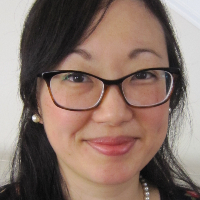
California · 15 yrs exp
Addictions · Relationship · Trauma and abuse · Grief · +9 more
Read profile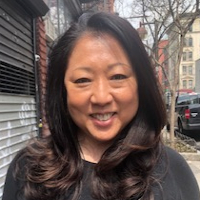
Pennsylvania · 18 yrs exp
Stress, Anxiety · Relationship · Grief · Career · +10 more
Read profile
California · 12 yrs exp
Relationship · Trauma and abuse · Intimacy-related issues · Parenting · +9 more
Read profile
Massachusetts · 18 yrs exp
Stress, Anxiety · Self esteem · Depression · Coping with life changes · +8 more
Read profile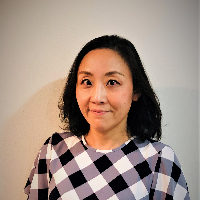
California · 14 yrs exp
Stress, Anxiety · Addictions · Relationship · Family · +16 more
Read profile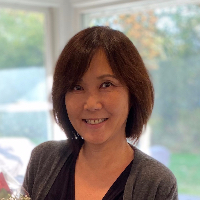
Illinois · 12 yrs exp
Stress, Anxiety · Family · Parenting · Self esteem · +8 more
Read profile
Hawaii · 10 yrs exp
Stress, Anxiety · Grief · Anger · Self esteem · +12 more
Read profile
Maryland · 10 yrs exp
Stress, Anxiety · Trauma and abuse · Self esteem · Depression · +11 more
Read profile
Maryland · 6 yrs exp
LGBT · Family · Trauma and abuse · Parenting · +1 more
Read profile
California · 4 yrs exp
Stress, Anxiety · Relationship · Parenting · Self esteem · +7 more
Read profile
Florida · 19 yrs exp
Stress, Anxiety · Relationship · Self esteem · Depression · +1 more
Read profile
California · 17 yrs exp
Stress, Anxiety · Relationship · Grief · Depression · +1 more
Read profile
Hawaii · 20 yrs exp
Stress, Anxiety · Grief · Self esteem · Depression · +1 more
Read profile
Australia · 10 yrs exp
Stress, Anxiety · Relationship · Self esteem · Coping with life changes · +1 more
Read profile
Australia · 4 yrs exp
Stress, Anxiety · Addictions · Self esteem · Depression · +1 more
Read profile
New York · 18 yrs exp
Stress, Anxiety · Relationship · Self esteem · Depression · +1 more
Read profile
California · 20 yrs exp
Stress, Anxiety · Self esteem · Depression · Compassion fatigue
Read profile
California · 17 yrs exp
Stress, Anxiety · Trauma and abuse · Self esteem · Depression · +1 more
Read profileWhen you can speak in your native Japanese during therapy, nuances of emotion, cultural references, and subtle phrasing become easier to express. You are more likely to find the exact words for memories, idioms, and complex feelings when you do not have to translate internally. That reduces the risk of misunderstanding and helps the therapeutic relationship develop more quickly. Language shapes the way you recall events and describe relationships. A therapist who understands not only the words but also the cultural context behind them can help you explore those memories with greater depth and clarity.
Choosing a therapist who speaks Japanese is not only about vocabulary. It is also about shared ways of relating, conversational rhythm, and understanding cultural norms that influence how you interpret problems and seek support. This alignment can make it easier for you to feel heard, validated, and understood. Whether you want short-term help for a specific issue or a longer therapeutic journey, communicating in Japanese can reduce friction and let you focus more on healing and personal growth.
Language barriers can create gaps that go beyond literal translation. When you must use a second language, you may rely on simpler words, avoid emotional vocabulary, or omit details that feel hard to explain. That can lead to therapy feeling surface level or slow progress because important feelings are left unexpressed. Misunderstandings may occur if a therapist does not catch the cultural meaning behind a phrase or misinterprets a social nuance. These moments can build frustration for you and for the clinician, which undermines trust and the depth of work you can do together.
Emotional expression is especially vulnerable to language mismatch. You might find it easier to cry, laugh, or show anger when speaking your native tongue. Some emotions are bound to culture-specific metaphors and childhood experiences that lose meaning if translated poorly. A Japanese-speaking therapist can pick up on tone, indirectness, and subtle polite forms that convey distress or needs in ways that differ from direct expression. That sensitivity supports better assessment, more relevant interventions, and a fuller therapeutic experience.
Online therapy with a Japanese-speaking clinician often follows a familiar flow: an initial intake to discuss your goals, regular sessions focused on those goals, and periodic reviews of progress. You can expect to talk about what brings you to therapy, how symptoms or life events affect daily functioning, and what outcomes you hope to reach. Because you are speaking in Japanese, your therapist can help you explore culturally specific themes like family expectations, workplace relationships, or the balance between group harmony and individual needs.
In the online setting, technology becomes the medium for connection. You will want to try a brief test call to confirm audio and video quality before a full session. Many therapists also use shared documents, simple worksheets, or messaging for scheduling and homework between sessions. The content of therapy remains focused on your goals and the therapeutic methods that suit you - whether that is cognitive-behavioral techniques, psychodynamic exploration, trauma-informed approaches, or culturally adapted strategies designed to work within Japanese cultural perspectives.
Many people who speak Japanese worry about stigma, family reactions, and finding a provider who understands both the language and cultural expectations. You might be concerned that seeking help will be interpreted as weakness or that family members will not be supportive. These are valid concerns rooted in social norms that emphasize endurance and social harmony. Addressing those worries directly with a therapist who speaks your language can help you plan how to approach conversations with loved ones or set boundaries that align with your values.
Another frequent challenge is locating a clinician who combines language ability with the right clinical experience. You may need someone who understands Japanese cultural frameworks, immigration stress, or bicultural identity issues. Access can be limited depending on where you live, which is why online options may be especially valuable. It is normal to feel hesitant about starting therapy - you are allowed to take time to interview potential therapists, ask about their approach, and request a short introductory conversation to see if their style feels like a good match for you.
Online therapy widens the pool of Japanese-speaking professionals you can access. You are not limited by local demographics or commuting times, and you may find therapists with specific expertise in areas like cross-cultural adjustment, grief, anxiety, or relationship concerns. Flexibility is another advantage - evening or weekend appointments can make it easier to fit therapy into a busy life. For people living abroad or in regions with few Japanese-speaking clinicians, virtual sessions can reduce the friction of finding culturally aligned support.
When choosing a Japanese-speaking therapist, consider practical and relational factors. Start by clarifying your goals - do you want short-term coping tools, parenting support, help with workplace stress, or longer-term exploration? Look for clinicians who describe relevant experience or training that matches those goals. Pay attention to how they communicate in initial messages or consultations - do they use language that feels respectful and clear? You may also want to ask about their approach to cultural differences, how they handle confidentiality and record-keeping, and what to expect in terms of session frequency and cancellation policies.
Trust your instincts during the first few sessions. If something feels off, it is okay to raise it with the therapist or to continue your search. A good match is one where you feel you can express difficult feelings, receive feedback that resonates in Japanese, and make steady progress toward your goals. Use available tools like brief introductory calls to assess fit before committing to a long-term arrangement. With the wider access online therapy provides, you have more options to find a clinician who speaks Japanese and who understands the cultural landscape that shapes your experience.
Seeking a therapist who speaks Japanese is a meaningful step toward clearer communication and more effective support. Whether you are new to therapy or returning after a break, speaking in the language that feels most natural can help you engage more fully in the work. Take your time to review profiles, ask questions, and choose someone whose approach aligns with your needs. With thoughtful selection and consistent effort, therapy in Japanese can become a valuable resource on your path to greater emotional clarity and well-being.