
Froogh Vakili-Khatibloo
LPCC· Accepting clientsOhio · 20 yrs exp
Stress, Anxiety · Addictions · Relationship · Family · +15 more
Read profileThe therapy listings are provided by BetterHelp and we will earn a commission if you use our link - at no cost to you.
Receiving therapy in your native Persian can help you express subtle emotions, access cultural context, and build trust with a clinician. Browse Persian-speaking therapists below to compare specialties, approaches, and availability.
Ohio · 20 yrs exp
Stress, Anxiety · Addictions · Relationship · Family · +15 more
Read profile
United Kingdom · 3 yrs exp
Stress, Anxiety · Addictions · Family · Trauma and abuse · +9 more
Read profile
United Kingdom · 7 yrs exp
Stress, Anxiety · Relationship · Family · Self esteem · +5 more
Read profile
United Kingdom · 5 yrs exp
Stress, Anxiety · Trauma and abuse · Self esteem · Coping with life changes · +15 more
Read profile
United Kingdom · 17 yrs exp
Relationship · Family · Grief · Parenting · +12 more
Read profile
Georgia · 10 yrs exp
Stress, Anxiety · LGBT · Relationship · Family · +9 more
Read profile
United Kingdom · 19 yrs exp
Stress, Anxiety · Trauma and abuse · Anger · Depression · +1 more
Read profile
Australia · 18 yrs exp
Stress, Anxiety · Relationship · Family · Anger · +10 more
Read profile
Australia · 11 yrs exp
Stress, Anxiety · Relationship · Self esteem · Depression · +1 more
Read profile
United Kingdom · 7 yrs exp
Stress, Anxiety · Addictions · Grief · Self esteem · +1 more
Read profile
Australia · 4 yrs exp
Relationship · Family · Intimacy-related issues · Stress, Anxiety · +7 more
Read profile
Australia · 7 yrs exp
Stress, Anxiety · Trauma and abuse · Anger · Self esteem · +1 more
Read profile
Texas · 15 yrs exp
Stress, Anxiety · Relationship · Trauma and abuse · Bipolar · +1 more
Read profile
Australia · 5 yrs exp
Stress, Anxiety · Anger · Self esteem · Depression · +1 more
Read profile
California · 14 yrs exp
Coping with life changes · Stress, Anxiety · Addictions · LGBT · +14 more
Read profile
New York · 20 yrs exp
Family · Parenting · Self esteem · Depression · +13 more
Read profile
California · 20 yrs exp
Stress, Anxiety · Family · Parenting · Self esteem · +9 more
Read profile
California · 29 yrs exp
Stress, Anxiety · Family · Trauma and abuse · Parenting · +12 more
Read profile
New York · 20 yrs exp
Stress, Anxiety · Relationship · Grief · Intimacy-related issues · +6 more
Read profile
California · 28 yrs exp
Stress, Anxiety · Relationship · Family · Coping with life changes · +1 more
Read profile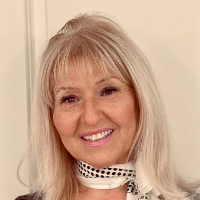
North Carolina · 15 yrs exp
Relationship · Trauma and abuse · Grief · Parenting · +9 more
Read profile
Virginia · 25 yrs exp
Stress, Anxiety · Trauma and abuse · Grief · Depression · +7 more
Read profile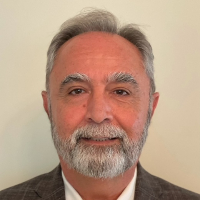
Georgia · 26 yrs exp
Stress, Anxiety · Relationship · Family · Trauma and abuse · +14 more
Read profile
Ohio · 7 yrs exp
Stress, Anxiety · Relationship · Family · Self esteem · +1 more
Read profileWhen you speak with a therapist in Persian, the conversation can carry more nuance and emotional depth than when working through a second language. Many concepts in Persian - whether specific idioms, proverbs, or ways of describing feeling states - do not translate cleanly into other languages. Working in your native tongue reduces the need to search for words and allows your experiences to come forward more naturally. That matters because therapy is often built around subtle shifts in tone, metaphor, and the precise way you describe what you feel. A therapist who shares your language is more likely to recognize cultural references, family dynamics, and community expectations that shape how you see yourself and relate to others. This familiarity can accelerate rapport and make sessions feel more like a conversation than a translation exercise. Over time, language-matched therapy can help you access memories, cultural meanings, and emotional layers that might otherwise remain muted.
If you and your clinician do not share a common language, miscommunication can happen in ways that are easy to miss. You might avoid using words that carry stigma, or you may rely on generic descriptions because the exact Persian expression does not come to mind. Therapists who are translating thoughts into another language can inadvertently miss metaphors or misinterpret intensity. This can lead to sessions that feel superficial, frustrate both you and the clinician, and slow progress. Language gaps can also affect assessment - important symptoms, culturally shaped stressors, and family roles may be misunderstood if the clinician does not grasp cultural context. Even small differences in dialect or regional terms can change meaning. When you find a therapist who speaks Persian, you reduce those risks and create space for more honest, emotionally rich dialogue. That creates a foundation for clearer goals and more relevant strategies tailored to your life.
Online therapy with a Persian-speaking clinician combines the linguistic benefits of working in your native language with the practical advantages of remote care. Sessions typically follow a familiar structure - an initial intake to explore history and goals, followed by regular meetings that may include discussion, skill-building, or guided reflection. You can expect to discuss confidentiality safeguards, communication preferences, and practical details like session length and scheduling up front. Many Persian-speaking therapists adapt culturally relevant examples and interventions to fit your needs, whether you prefer a more directive approach or a reflective style. Technology allows flexibility - video calls let you read facial expressions and tone, while messaging options can provide interim support between sessions. Online therapy can also accommodate different time zones and busy schedules, making it easier to maintain consistent appointments. Before your first session, consider what environment will help you focus - a quiet room, headphones, and a device with a stable internet connection can make the experience feel more productive. If you have questions about approach or credentials, a brief pre-session consultation can help you gauge fit and comfort.
Many Persian speakers weigh cultural expectations and stigma when deciding whether to seek help. In some communities, discussing mental health openly can feel shameful or risky, especially when family reputation and social standing are at stake. You might worry about being judged or misunderstood, or about how to explain therapy to relatives. Finding a therapist who understands cultural values - such as family honor, religious practices, and intergenerational roles - can make it easier to address those concerns in sessions. Another common challenge is locating clinicians who speak Persian and who are licensed in your region or comfortable working across jurisdictions. You may also have questions about cost, insurance coverage, and whether online sessions will feel as meaningful as in-person meetings. Language and dialect differences are another consideration - Persian has regional variations and levels of formality, and you may prefer a therapist who matches your linguistic background. A good clinician will invite conversations about these concerns and help you navigate disclosure, boundaries, and practical steps to make therapy work within your cultural context.
Online therapy opens up access to Persian-speaking clinicians who might not be available locally. That wider reach can be especially helpful if you live in an area with few Persian-language providers, if mobility is limited, or if your schedule requires flexible hours. Working online allows you to choose a therapist based on specialization, approach, and cultural fit rather than proximity alone. To make the best choice, start by clarifying your goals - whether you want support for anxiety, relationship issues, grief, trauma, or life transitions. Look for therapists who describe experience with similar concerns and who articulate a clear approach to treatment. Pay attention to language style and cultural references in profiles; a clinician who uses familiar cultural touchpoints may be easier to connect with. It is reasonable to ask about training, licensure, and whether the therapist has experience with clients from your community. During an initial consultation, notice how the therapist listens and responds to your questions about culture and family dynamics. Trust your instincts - a good therapeutic relationship should feel respectful and understandable. Finally, consider logistics like availability, session length, fees, and whether the therapist offers sliding scale options if cost is a barrier. Taking time to find a good match will increase the likelihood that therapy feels relevant and useful for you.
Seeking help in Persian can make therapy more accessible and meaningful. By prioritizing language match, understanding cultural context, and using online options to expand your choices, you can find a clinician who helps you make progress in ways that feel authentic. Use initial consultations to assess fit, and remember that it is okay to try more than one therapist until you find the relationship that supports your goals.