
Savithri (Savi) Jayaweera
NCPS· Accepting clientsUnited Kingdom · 16 yrs exp
Stress, Anxiety · Relationship · Trauma and abuse · Self esteem · +16 more
Read profileThe therapy listings are provided by BetterHelp and we will earn a commission if you use our link - at no cost to you.
Accessing therapy in your native language can make it easier to express feelings and be fully understood. Browse the Sinhala-speaking therapists listed below to compare specialties and book sessions that fit your needs.
United Kingdom · 16 yrs exp
Stress, Anxiety · Relationship · Trauma and abuse · Self esteem · +16 more
Read profile
United Kingdom · 10 yrs exp
Stress, Anxiety · Grief · Self esteem · Depression · +11 more
Read profile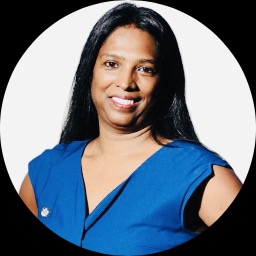
New Jersey · 20 yrs exp
Stress, Anxiety · Addictions · Trauma and abuse · Depression · +16 more
Read profile
United Kingdom · 4 yrs exp
Stress, Anxiety · Family · Grief · Self esteem · +11 more
Read profile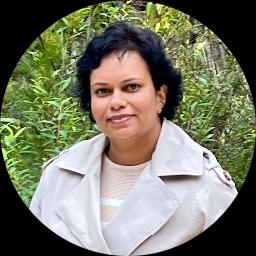
Australia · 20 yrs exp
Stress, Anxiety · Addictions · Grief · Career · +11 more
Read profile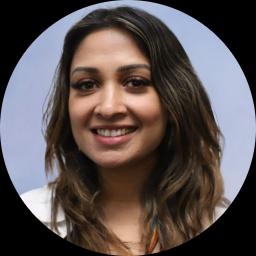
Australia · 3 yrs exp
Family · Trauma and abuse · Parenting · Self esteem · +1 more
Read profile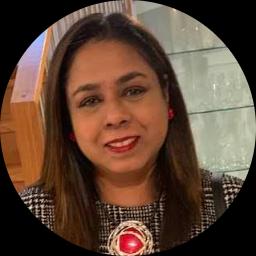
Australia · 10 yrs exp
Stress, Anxiety · Trauma and abuse · Grief · Depression · +1 more
Read profileWhen you speak with a therapist in Sinhala, you are more likely to convey the subtleties of emotion, humor, and cultural reference that shape your life. Words and phrases carry cultural meaning that does not always translate directly into another language. By using Sinhala, you may find that memories, imagery, and emotional nuances come more naturally, helping you and your clinician move beyond surface descriptions to the feelings and experiences that matter most.
Therapy in your own language can also reduce the cognitive load of translating thoughts as you speak. That reduction often allows sessions to feel more fluid and authentic. It can be easier to explore topics like grief, family relationships, or identity when you are not constantly searching for the right translated wording. For many people, native-language sessions create a sense of relief and clarity that supports real progress.
Language barriers are not only about vocabulary - they influence how you describe pain, set boundaries, and ask for what you need. If you must use an interpreter or a therapist who speaks limited Sinhala, some emotional intensity may be lost or softened. You might choose safer, more general words instead of those that reveal vulnerability. That restraint can slow progress or leave important issues unexplored.
Misunderstandings about cultural norms can also occur when a therapist does not share or understand your cultural background. What seems routine to you may require context for a clinician from a different culture. When that context is missing, diagnoses, treatment recommendations, or coping strategies can feel irrelevant. Finding a therapist who speaks Sinhala and is sensitive to cultural patterns helps ensure that your concerns are interpreted in a way that fits your lived experience.
Online therapy with a Sinhala-speaking therapist often follows a similar structure to in-person care. You can expect an initial conversation about goals, confidentiality practices, fees, and scheduling, followed by regular sessions that focus on the concerns you bring. If you prefer speaking in Sinhala for the whole session or switching between Sinhala and another language, discuss that preference at the start so the clinician can accommodate it.
Technology plays a practical role in online therapy. Sessions commonly use video, audio-only calls, or messaging, depending on what you and the therapist agree is best. Before your first appointment, make sure your device, internet connection, and chosen platform are working. Consider the environment where you will join sessions - pick a quiet, comfortable environment where you can speak freely and feel at ease. Clarify what happens between sessions - some therapists offer brief check-ins by message while others prefer scheduled contact only. This helps you understand boundaries and expectations so you can focus on your work together.
Many Sinhala-speaking people are concerned about stigma related to mental health, and family expectations can add pressure to avoid therapy or to present only certain kinds of issues. You may worry that seeking help will be seen as weakness or that details discussed in therapy could affect family reputation. These are valid concerns and important topics to bring up with a therapist who understands the cultural context. A clinician who speaks Sinhala may also be familiar with local attitudes and can help you navigate conversations with family or community members if that is part of your goal.
Another common challenge is simply finding a provider who both speaks Sinhala and offers the therapeutic approach you want. Some therapists are bilingual but have limited experience with specific issues like trauma, migration stress, or intergenerational conflict. When you look at profiles, pay attention to stated specialties, training, and whether they mention experience with Sinhala-speaking communities or diaspora experiences. It is reasonable to ask about their background and how they have helped people with concerns similar to yours.
Online therapy removes geographic limits, which is especially useful if there are few Sinhala-speaking clinicians in your area. You can choose someone whose working hours match your schedule, including early mornings or evenings, and you can work with a therapist across time zones if that makes coordination easier. Online sessions also make it simpler to maintain continuity when you move or travel, because your therapeutic relationship can continue regardless of location.
When selecting a Sinhala-speaking therapist, consider language fluency, cultural competence, and clinical approach. Look for clear information about licensure and training, and see whether the clinician describes their experience with issues that matter to you. Think about practical matters such as session length, fee structure, and whether they offer a sliding scale or accept insurance. Before committing, schedule an initial consultation to get a sense of rapport and whether you feel heard when you use Sinhala. You can ask how they approach goals, what tools they use in therapy, and how they support clients between sessions.
Trust your instincts during that first contact. Feeling comfortable to express difficult emotions in Sinhala is an important indicator that the match may be a good one. If you try a therapist and it does not feel right, it is okay to look for another clinician until you find someone who fits your needs. Effective therapy depends on clear communication, cultural sensitivity, and a working relationship where you feel understood.
Looking for a Sinhala-speaking therapist is a practical choice that honors the way you naturally think and feel. Whether you are dealing with stress, relationship concerns, grief, or identity questions, speaking in your native language can make the work more meaningful. Use profile information to compare specialties, check credentials, and note practical details like availability and fees. Reach out for a conversation to get a sense of rapport and how the therapist explains their approach.
Getting started can feel daunting, but each step you take brings you closer to support that respects your language and culture. You do not have to navigate this process alone - the therapists listed on this page offer a range of skills and backgrounds to help you find the right fit. When you choose someone who speaks Sinhala and understands your context, you increase the chances of feeling truly heard and making lasting progress.