
Kelley Sullivan
LCSW· Accepting clientsColorado · 19 yrs exp
Stress, Anxiety · Relationship · Trauma and abuse · Grief · +12 more
Read profileThe therapy listings are provided by BetterHelp and we will earn a commission if you use our link - at no cost to you.
Talking to a therapist in Spanish can help you express emotions and cultural experiences more naturally. Browse Spanish-speaking therapists below to find someone who fits your needs and begin scheduling sessions.
Colorado · 19 yrs exp
Stress, Anxiety · Relationship · Trauma and abuse · Grief · +12 more
Read profile
New York · 25 yrs exp
Stress, Anxiety · Addictions · Trauma and abuse · Self esteem · +11 more
Read profile
Florida · 25 yrs exp
Stress, Anxiety · Family · Grief · Self esteem · +12 more
Read profile
Florida · 9 yrs exp
Stress, Anxiety · Grief · Self esteem · Career · +3 more
Read profile
Florida · 35 yrs exp
Stress, Anxiety · Family · Trauma and abuse · Grief · +11 more
Read profile
New York · 25 yrs exp
Stress, Anxiety · Trauma and abuse · Self esteem · Depression · +7 more
Read profile
Florida · 8 yrs exp
Stress, Anxiety · Addictions · Anger · Self esteem · +15 more
Read profile
Florida · 27 yrs exp
Stress, Anxiety · Relationship · Parenting · Self esteem · +14 more
Read profile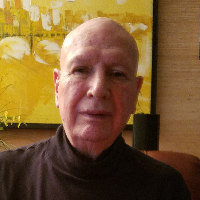
Florida · 25 yrs exp
Stress, Anxiety · Addictions · Relationship · Intimacy-related issues · +10 more
Read profile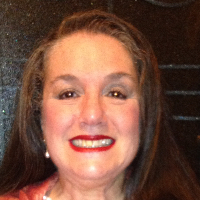
Florida · 13 yrs exp
Stress, Anxiety · Relationship · Intimacy-related issues · Depression · +15 more
Read profile
Delaware · 28 yrs exp
Stress, Anxiety · Family · Self esteem · Depression · +11 more
Read profile
Florida · 8 yrs exp
Stress, Anxiety · Relationship · Family · Coping with life changes · +9 more
Read profile
Michigan · 18 yrs exp
Stress, Anxiety · Self esteem · Depression · Coping with life changes · +7 more
Read profile
Texas · 13 yrs exp
Stress, Anxiety · Grief · Coping with life changes · Coaching · +1 more
Read profile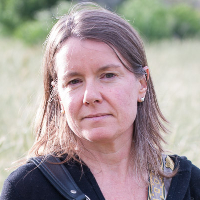
Colorado · 20 yrs exp
Stress, Anxiety · Trauma and abuse · Grief · Depression · +15 more
Read profile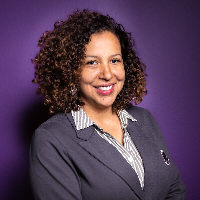
Texas · 15 yrs exp
Stress, Anxiety · Grief · Self esteem · Depression · +13 more
Read profile
New Jersey · 52 yrs exp
Stress, Anxiety · Relationship · Grief · Depression · +2 more
Read profile
Texas · 10 yrs exp
Stress, Anxiety · Relationship · Family · Depression · +4 more
Read profile
Virginia · 20 yrs exp
Stress, Anxiety · Family · Trauma and abuse · Grief · +3 more
Read profile
Pennsylvania · 32 yrs exp
Stress, Anxiety · Addictions · Relationship · Grief · +13 more
Read profile
New York · 17 yrs exp
Stress, Anxiety · Self esteem · Career · Depression · +14 more
Read profile
Ohio · 14 yrs exp
Stress, Anxiety · Addictions · Relationship · Family · +9 more
Read profile
Texas · 15 yrs exp
Stress, Anxiety · Relationship · Family · Intimacy-related issues · +1 more
Read profile
Texas · 30 yrs exp
Stress, Anxiety · Family · Parenting · Depression · +1 more
Read profileWhen you speak in your native language you access a depth of vocabulary, metaphors, and cultural references that shape how you think about your life. Emotions that feel simple in translation can take on new meaning when described in the words you learned as a child. That matters because the therapeutic process depends on more than technical diagnosis - it depends on connection, trust, and accurate emotional expression. A therapist who can hear the nuances of your speech can pick up on subtle shifts in tone, humor, and the cultural contexts that give your experiences meaning.
For many Spanish speakers, concepts rooted in family roles, community expectations, religious beliefs, and regional history are central to identity. Speaking Spanish in therapy allows you to describe those influences without having to reframe them into another language first. That reduces cognitive load, so you can focus on reflection rather than translation. In short, therapy in Spanish often lets you show up more authentically and work more efficiently toward your goals.
Language barriers can create gaps that affect how you and your therapist understand each other. If you must use an interpreter or rely on basic shared language skills, important details can be lost or altered. Idioms, joking, and culturally specific expressions do not always translate cleanly, and the emotional weight behind a phrase can be diminished. That can lead to frustration and a sense that your inner life is not being fully recognized.
Beyond literal translation, language barriers can influence rapport and the development of trust. Therapy often asks you to disclose uncomfortable or vulnerable material. If you feel you are not being fully understood, you may self-censor, limit the depth of your sharing, or avoid difficult topics altogether. Those patterns can slow progress and make therapy feel less helpful. Finding someone who genuinely communicates in Spanish reduces this friction and helps ensure your concerns are heard in the way you intended.
Online therapy with a Spanish-speaking therapist can take multiple forms, including video calls, phone sessions, and text-based exchanges. In a typical video or phone session you will have a scheduled appointment, an opportunity to discuss immediate concerns, and time to work on coping strategies or insights with your therapist. Many clinicians will begin with an initial consultation to learn about your goals, background, and preferences. If you are new to therapy, expect the first few sessions to focus on building rapport and clarifying what you hope to achieve.
A Spanish-speaking therapist may use a range of therapeutic approaches, from cognitive-behavioral strategies to psychodynamic or culturally adapted models. What matters most is that the clinician understands how cultural values influence your concerns and can adapt their methods accordingly. You should feel comfortable asking how they incorporate cultural context into treatment and whether they have experience with issues common among Spanish-speaking communities. Clear communication about goals, frequency of sessions, and what progress looks like can make online therapy feel predictable and supportive.
Many Spanish-speaking people encounter cultural stigma around mental health. In some families and communities, discussing emotional struggles is seen as a sign of weakness or something to handle privately. You might worry about how others will react or fear being judged if you seek help. Religion and traditional beliefs can also shape how people interpret distress, and that influences whether and how they pursue therapy. It is normal to feel conflicted about this trade-off between personal wellbeing and community expectations.
Finding providers who speak Spanish and also understand regional dialects or cultural nuances can be challenging. Spanish is not uniform - words, expressions, and idiomatic meanings change across countries and regions. You may prefer a therapist whose background aligns with yours or who is familiar with the specific stressors faced by your community, such as immigration-related concerns, discrimination, or multigenerational family dynamics. Practical issues like cost, insurance coverage, and availability of evening or weekend appointments also shape access, and these are common barriers people face when starting therapy.
Online therapy expands the pool of Spanish-speaking clinicians beyond your immediate area. That makes it easier to find someone who matches your dialect, cultural background, or specialty. Remote options also offer scheduling flexibility, which can be especially helpful if you work nontraditional hours, have caregiving responsibilities, or live in an area with few bilingual providers. You can receive continuity of care even when you move or travel, maintaining the therapeutic relationship without interruption.
When evaluating a prospective therapist, consider their language fluency and cultural competence as distinct factors. Ask about their experience working with issues similar to yours, whether they are familiar with your regional or cultural background, and what treatment approaches they use. It is reasonable to request an initial consultation to assess rapport and to see whether you feel comfortable discussing sensitive topics in Spanish with them. Pay attention to how they respond to questions about values, family dynamics, and practical concerns like scheduling and fees. If you rely on insurance, confirm coverage or discuss sliding-scale options up front.
Another helpful approach is to reflect on what matters most to you in therapy: Do you want someone who shares your country of origin or someone who has specialized training in trauma, couples work, or adolescent therapy? Are you looking for short-term coping strategies or longer-term exploration? Clarifying your priorities will help you compare profiles and make a confident choice. Ultimately, the right match is someone with whom you feel heard in your language and understood in your cultural context.
Seeking therapy in Spanish is a step toward communicating your inner life with clarity and being supported in a way that aligns with your values. Online options make it easier to find clinicians who speak your language and understand your cultural world. Take your time reviewing profiles, ask questions during consultations, and choose someone who helps you feel comfortable taking the next steps in your mental health journey.
Alabama
365 therapists
Alaska
41 therapists
Arizona
339 therapists
Arkansas
182 therapists
Australia
646 therapists
California
2695 therapists
Colorado
547 therapists
Connecticut
228 therapists
Delaware
72 therapists
District of Columbia
72 therapists
Florida
2486 therapists
Georgia
936 therapists
Hawaii
98 therapists
Idaho
145 therapists
Illinois
844 therapists
Indiana
428 therapists
Iowa
109 therapists
Kansas
172 therapists
Kentucky
304 therapists
Louisiana
478 therapists
Maine
108 therapists
Maryland
435 therapists
Massachusetts
330 therapists
Michigan
852 therapists
Minnesota
316 therapists
Mississippi
244 therapists
Missouri
580 therapists
Montana
134 therapists
Nebraska
128 therapists
Nevada
144 therapists
New Hampshire
68 therapists
New Jersey
583 therapists
New Mexico
135 therapists
New York
1364 therapists
North Carolina
987 therapists
North Dakota
28 therapists
Ohio
599 therapists
Oklahoma
391 therapists
Oregon
193 therapists
Pennsylvania
829 therapists
Rhode Island
52 therapists
South Carolina
439 therapists
South Dakota
48 therapists
Tennessee
412 therapists
Texas
2557 therapists
United Kingdom
4380 therapists
Utah
231 therapists
Vermont
50 therapists
Virginia
530 therapists
Washington
349 therapists
West Virginia
76 therapists
Wisconsin
390 therapists
Wyoming
70 therapists