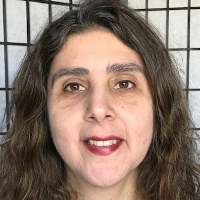
Sehnaz Zor
LPCNew Jersey · 17 yrs exp
Stress, Anxiety · Relationship · Grief · Self esteem · +8 more
Read profileThe therapy listings are provided by BetterHelp and we will earn a commission if you use our link - at no cost to you.
Accessing therapy in your native language can make it easier to express feelings, explain life experiences, and build trust with a clinician. Browse the Turkish-speaking therapists below to compare specialties and find a clinician who fits your needs.
New Jersey · 17 yrs exp
Stress, Anxiety · Relationship · Grief · Self esteem · +8 more
Read profile
United Kingdom · 7 yrs exp
Stress, Anxiety · Grief · Career · Compassion fatigue · +16 more
Read profile
Ohio · 7 yrs exp
Stress, Anxiety · Relationship · Family · Self esteem · +1 more
Read profile
United Kingdom · 5 yrs exp
Stress, Anxiety · Relationship · Family · Self esteem · +13 more
Read profile
United Kingdom · 5 yrs exp
Stress, Anxiety · Addictions · Relationship · Trauma and abuse · +13 more
Read profile
United Kingdom · 6 yrs exp
Stress, Anxiety · Addictions · Relationship · Family · +13 more
Read profile
United Kingdom · 8 yrs exp
Stress, Anxiety · Relationship · Trauma and abuse · Self esteem · +16 more
Read profile
United Kingdom · 14 yrs exp
Relationship · Trauma and abuse · Grief · Parenting · +16 more
Read profile
United Kingdom · 15 yrs exp
Stress, Anxiety · Family · Self esteem · Depression · +11 more
Read profile
United Kingdom · 8 yrs exp
Stress, Anxiety · Trauma and abuse · Grief · Self esteem · +10 more
Read profile
Australia · 28 yrs exp
Stress, Anxiety · Relationship · Family · Grief · +8 more
Read profile
United Kingdom · 5 yrs exp
Stress, Anxiety · Relationship · Trauma and abuse · Self esteem · +16 more
Read profile
United Kingdom · 6 yrs exp
Stress, Anxiety · Trauma and abuse · Grief · Depression · +11 more
Read profile
United Kingdom · 4 yrs exp
Stress, Anxiety · Family · Trauma and abuse · Grief · +1 more
Read profile
United Kingdom · 4 yrs exp
Stress, Anxiety · LGBT · Self esteem · Depression · +1 more
Read profile
Australia · 5 yrs exp
Stress, Anxiety · Self esteem · Career · Depression
Read profile
United Kingdom · 3 yrs exp
Stress, Anxiety · LGBT · Family · Trauma and abuse · +1 more
Read profile
United Kingdom · 4 yrs exp
Stress, Anxiety · Relationship · Family · Parenting · +1 more
Read profile
United Kingdom · 3 yrs exp
Relationship · Family · Trauma and abuse · Grief · +2 more
Read profile
New York · 6 yrs exp
Stress, Anxiety · Self esteem · Depression · Coping with life changes · +2 more
Read profileChoosing a therapist who speaks Turkish can change how you experience therapy from the very first session. Language shapes not only the words you use but also the rhythm, metaphors, and cultural references that carry emotional weight. When you speak in Turkish, memories and feelings may come forward with more clarity and nuance, and you may find it easier to describe inner states that feel difficult in a second language. That ability to convey subtle emotional tones can help you and your clinician develop a more accurate understanding of what matters to you. Therapy is a relational process - having a shared language removes an obvious obstacle and lets the focus stay on healing and growth.
The use of Turkish in sessions also allows cultural context to be woven into the conversation naturally. Family expectations, common idioms, and culturally specific stressors often play a central role in a person's challenges. A therapist who understands those cultural layers is more likely to interpret experiences in a way that feels relevant and respectful. This does not mean every Turkish-speaking therapist will share your exact background, but it does mean you can discuss cultural dynamics without needing to translate or over-explain important aspects of your life.
Language barriers can subtly undermine the therapeutic process. When you must think in one language and speak in another, you may limit access to deep emotional material or feel less spontaneous in sessions. Some words and expressions do not have direct equivalents across languages, and those losses can reduce the richness of communication. Misunderstandings are also more likely when idioms or culturally specific references are used without shared context, which can lead to frustration for both you and the clinician.
If you are working through trauma, grief, or identity questions, the difference between saying something in your native language and in a second language can be especially stark. Emotions tied to early experience are often encoded in the language you first learned, and trying to access those memories in another tongue can feel like working through glass. A Turkish-speaking clinician can help bridge that gap, allowing for fuller emotional expression and fewer misunderstandings. This does not guarantee a particular outcome, but it can create conditions that are more conducive to effective dialogue and mutual understanding.
Online therapy has become a common way to connect with clinicians who share your language. When you book a remote session in Turkish, you can expect an initial conversation about what brought you to therapy, the goals you hope to work toward, and practical details like session length and frequency. Therapists often begin with intake questions to gather background information and to make sure their approach aligns with what you want. Because the interaction happens remotely, it's helpful to prepare a quiet, comfortable place where you can speak freely and focus on the conversation.
Therapists who work online typically use video or audio calls and may share materials digitally to support your work between sessions. You can expect a collaborative process in which techniques and interventions are explained in Turkish so you can evaluate how they fit your cultural perspective. If you have concerns about how therapy records are handled or who will have access to session notes, you can ask the clinician about their policies before committing. Clear communication at the outset helps set expectations and makes it easier to focus on the therapeutic work.
Many Turkish-speaking people have concerns that affect whether and how they seek help. One frequent worry is stigma - mental health topics may be discussed differently across families and communities, and you might fear judgment or misunderstanding from relatives or peers. This can make it harder to reach out, especially if emotional struggles are framed as a personal weakness rather than a treatable challenge. Cultural expectations around roles, honor, and family unity can also make it difficult to talk openly about certain issues.
Finding a therapist who speaks Turkish can feel daunting if there are few providers in your area. You may be unsure how to evaluate a clinician's experience with issues that matter to you, such as migration stress, intergenerational conflict, or culturally informed grief. Cost and insurance coverage are practical barriers that influence choices as well. Online therapy expands options, but you might still worry about matching with a therapist who understands both the language and the cultural context that shapes your life. A thoughtful search process can help you find a clinician who matches your needs and makes those concerns easier to address.
Online therapy widens the pool of clinicians you can access, which is especially valuable if Turkish-speaking providers are scarce in your local area. You can connect with therapists who practice in different regions and who bring varied specializations and therapeutic styles. Remote sessions also offer scheduling flexibility - you may be able to find appointment times outside standard business hours or attend from home when travel is difficult. This accessibility can make it easier to maintain consistent care and pursue long-term goals even when life is busy.
When searching for a Turkish-speaking therapist, think about the issues you want to address and the qualities that matter most in a clinician. Consider whether you prefer a clinician with experience in certain approaches - for example, trauma-informed work, family therapy, couples counseling, or cognitive-behavioral strategies. Look for descriptions that mention cultural competency, or ask during an introductory call how the therapist integrates cultural values into their practice. Trust your sense of comfort during that first conversation - the ability to speak openly and to feel heard is essential.
Practical details matter too. Ask about session length, fees, cancellation policies, and whether the clinician offers in-person appointments in addition to online work. If language matching is a priority, confirm that Turkish will be used consistently during sessions and that any forms or materials can be provided in Turkish. You may also want to inquire about the clinician's experience working with clients from similar backgrounds or with similar concerns. Taking time to compare a few clinicians can lead to a stronger match and a more productive therapeutic relationship.
Ultimately, finding a Turkish-speaking therapist is a step toward making space for your emotional life in a way that feels natural. Whether you are exploring relationships, navigating life changes, or seeking relief from anxiety or sadness, having a clinician who understands your language and cultural context can make therapy more meaningful. Use online options to expand your search, ask clear questions about clinical approach and logistics, and trust your sense of fit when you begin work with a therapist. The right match can help you engage more deeply and move forward with confidence.