
Miriam Perrin
LMHC· Accepting clientsFlorida · 16 yrs exp
Stress, Anxiety · Relationship · Trauma and abuse · Depression · +6 more
Read profileThe therapy listings are provided by BetterHelp and we will earn a commission if you use our link - at no cost to you.
A Licensed Mental Health Counselor (LMHC) is a licensed clinician trained to provide assessment, therapy, and counseling for a wide range of emotional and behavioral concerns. Browse verified LMHC therapists below to compare specialties, approaches, and credentials.
Florida · 16 yrs exp
Stress, Anxiety · Relationship · Trauma and abuse · Depression · +6 more
Read profile
Florida · 20 yrs exp
Stress, Anxiety · Addictions · Relationship · Self esteem · +16 more
Read profile
Washington · 16 yrs exp
Stress, Anxiety · Addictions · LGBT · Bipolar · +12 more
Read profile
Florida · 25 yrs exp
Relationship · Trauma and abuse · Grief · Anger · +12 more
Read profile
Florida · 21 yrs exp
Stress, Anxiety · Addictions · LGBT · Depression · +9 more
Read profile
Florida · 25 yrs exp
Stress, Anxiety · Family · Grief · Self esteem · +12 more
Read profile
Pennsylvania · 12 yrs exp
Stress, Anxiety · Relationship · Self esteem · Depression · +11 more
Read profile
Nebraska · 23 yrs exp
Stress, Anxiety · Family · Trauma and abuse · Grief · +8 more
Read profile
Florida · 26 yrs exp
Stress, Anxiety · Relationship · Anger · Depression · +13 more
Read profile
Florida · 10 yrs exp
Relationship · Family · Self esteem · Depression · +4 more
Read profile
Florida · 13 yrs exp
Stress, Anxiety · Anger · Depression · Coping with life changes · +13 more
Read profile
Florida · 3 yrs exp
Stress, Anxiety · Family · Trauma and abuse · Self esteem · +15 more
Read profile
Florida · 35 yrs exp
Stress, Anxiety · Family · Trauma and abuse · Grief · +11 more
Read profile
Florida · 30 yrs exp
Stress, Anxiety · Trauma and abuse · Bipolar · Depression · +16 more
Read profile
Florida · 9 yrs exp
Stress, Anxiety · Relationship · Family · Intimacy-related issues · +5 more
Read profile
Florida · 18 yrs exp
Stress, Anxiety · Relationship · Grief · Depression · +12 more
Read profile
Florida · 30 yrs exp
Stress, Anxiety · Relationship · Trauma and abuse · Depression · +14 more
Read profile
Florida · 25 yrs exp
Stress, Anxiety · Addictions · Relationship · Self esteem · +7 more
Read profile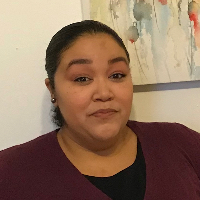
Massachusetts · 12 yrs exp
Stress, Anxiety · Self esteem · Depression · Coping with life changes · +8 more
Read profile
Florida · 8 yrs exp
Stress, Anxiety · Addictions · Anger · Self esteem · +15 more
Read profile
Massachusetts · 25 yrs exp
Stress, Anxiety · Relationship · Family · Self esteem · +14 more
Read profile
Florida · 10 yrs exp
Stress, Anxiety · Relationship · Self esteem · Depression · +15 more
Read profile
Indiana · 24 yrs exp
Stress, Anxiety · Relationship · Self esteem · Depression · +11 more
Read profile
Massachusetts · 24 yrs exp
Addictions · Relationship · Family · Anger · +13 more
Read profileWhen you see the LMHC designation it indicates that a clinician has completed the education, supervised clinical experience, and licensing requirements established by a state board to practice mental health counseling. In most jurisdictions this begins with a graduate degree in counseling, psychology, or a closely related field followed by a period of post-graduate supervised practice. After accruing the required hours you will typically find that the clinician has passed a licensing exam and maintains continuing education to stay current with professional standards. The title signals that the practitioner meets defined competencies for diagnosing and treating common mental health concerns and for providing therapeutic services in outpatient settings.
If you look into a therapist's background you will usually see a master of arts or master of science in counseling, clinical mental health counseling, or an allied area. During graduate training you can expect that they completed coursework in counseling theories, ethics, human development, diagnosis of mental disorders, and evidence-informed interventions. Post-degree, LMHC candidates accumulate supervised clinical hours under an experienced licensee while developing skills in assessment, treatment planning, and crisis response. Licensure exams verify that therapists can apply knowledge in practical scenarios and adhere to professional ethics. Many LMHCs also pursue additional workshops, certifications, and ongoing supervision to refine specialty skills.
An LMHC is trained to provide psychotherapy, conduct clinical assessments, develop treatment plans, and offer individual, couples, family, or group therapy depending on their training and practice focus. If you are deciding between different license types it helps to understand common distinctions. Licensed clinical social workers often have training in social systems and community resources while marriage and family therapists focus extensively on relationship dynamics. Psychologists typically hold doctoral degrees with broader emphasis on testing and research, and psychiatrists are medical doctors who can prescribe medications. Your choice should depend on whether you want talk-based therapy, specialized testing, medication management, or a combination of services.
If your primary need is psychotherapeutic support for mood, anxiety, trauma, life transitions, or relationship issues, an LMHC can be a strong match. They are equipped to use a range of therapeutic modalities and to collaborate with other professionals when integrated care is needed. In cases where diagnostic testing, psychological evaluations, or medication adjustments are central, you might look for a psychologist or psychiatrist to complement counseling provided by an LMHC.
LMHC therapists often develop specialties based on additional training, experience, and personal interest. Many focus on mood disorders such as depression and anxiety, using cognitive-behavioral approaches or mindfulness-informed therapy to help you manage symptoms and change unhelpful patterns. Trauma-informed care is a frequent area of expertise, where clinicians use evidence-informed strategies to help you process past experiences and improve functioning. Couples and family work is common as well, with clinicians helping partners improve communication, resolve conflicts, and rebuild connection.
Other common focuses include work with children and adolescents, where LMHCs apply developmentally appropriate techniques and collaborate with caregivers and schools. Substance use and recovery support are also offered by some LMHCs who have targeted training in addiction counseling. You may find clinicians who concentrate on life transitions, grief, workplace stress, or identity-related concerns. Many LMHCs integrate specific therapeutic models such as cognitive behavioral therapy, dialectical behavior therapy, acceptance and commitment therapy, or EMDR into their practice depending on their training and the needs of the people they serve.
When you are evaluating therapists it is practical to confirm licensure through official channels. Every state maintains a licensing board for mental health professionals with an online lookup tool where you can enter a clinician's name or license number to confirm that the credential is active and in good standing. The board record will usually show the license type, issuance and expiration dates, and any disciplinary actions or public orders. These records help you verify that the person you are considering met test and supervision requirements and continues to meet regulatory standards.
In the license details pay attention to the license status, expiration date, and the issuing state. If you see restrictions, conditional orders, or disciplinary history you may wish to follow up directly with the board for context. You can also look at a clinician's educational background and professional certifications listed in their profile. If anything is unclear you can call the licensing board or ask the therapist directly for documentation. Reputable clinicians welcome questions about their training, specialties, and professional standing as part of building trust.
Choosing an LMHC can offer a balance of accessible clinical training and practical therapeutic focus. Because LMHCs concentrate on counseling and psychotherapy, you will often find therapists who are skilled at helping you develop coping strategies, process emotions, and work through life challenges. Many LMHCs bring diverse clinical experience from community mental health, private practice, schools, and health systems so they can tailor care to different settings and needs. Their training emphasizes both diagnosis and treatment planning, making them equipped to address common mental health concerns and to refer you to other professionals when additional services are appropriate.
Another advantage is that LMHCs frequently offer flexible care formats, including short-term focused work and longer-term therapy depending on what you want to achieve. You can typically find clinicians who offer in-person sessions in a comfortable environment as well as remote sessions if you prefer the convenience of online appointments. Because LMHCs practice across many settings you can often find someone whose scheduling, fees, and therapeutic style align with your circumstances.
Start by clarifying what you want from therapy - symptom reduction, improved relationships, skills development, or support through a life change. Use the therapist profiles to focus on clinicians who list relevant specialties and therapeutic approaches. Read clinician bios to understand their training and values, and look for descriptions of modalities that appeal to you such as cognitive-behavioral, trauma-informed, or family systems work. Pay attention to logistics like availability, session format, fees, and whether they accept your insurance or offer sliding scale options.
When you reach out for an initial conversation, treat it as an opportunity to assess fit. Ask about the therapist's experience with your primary concern, how they structure sessions, and what a typical course of therapy looks like. Notice how they listen and whether their style matches your preferences. It is reasonable to try a few sessions to see if the relationship feels productive and respectful. If you do not feel comfortable or do not see progress after a reasonable period, it is appropriate to discuss adjustments or look for another clinician. Trust your instincts about rapport while also giving the process enough time to unfold.
Finally, consider coordination of care if you have multiple providers. An LMHC can collaborate with primary care providers, psychiatrists, or educational professionals to ensure cohesive support. If you ever face an urgent safety concern, contact local emergency services or crisis resources immediately. Finding the right therapist is a personal process - one that balances professional credentials with the human connection that makes therapy effective for you.