Carlos Camarena
LSCSW· Accepting clientsKansas · 30 yrs exp
Stress, Anxiety · Trauma and abuse · Sleeping · Self esteem · +14 more
Read profileThe therapy listings are provided by BetterHelp and we will earn a commission if you use our link - at no cost to you.
A Licensed Specialist Clinical Social Worker (LSCSW) is a clinical social work professional who has completed advanced training and supervised clinical hours to provide psychotherapy and mental health services. Browse the verified LSCSW therapists listed below to find clinicians with the training and specialties that match your needs.
Kansas · 30 yrs exp
Stress, Anxiety · Trauma and abuse · Sleeping · Self esteem · +14 more
Read profile
Kansas · 12 yrs exp
Stress, Anxiety · Grief · Anger · Self esteem · +16 more
Read profile
Missouri · 22 yrs exp
Stress, Anxiety · Addictions · LGBT · Depression · +9 more
Read profile
Kansas · 41 yrs exp
Stress, Anxiety · Trauma and abuse · Grief · Career · +16 more
Read profile
Kansas · 6 yrs exp
Stress, Anxiety · Grief · Self esteem · Depression · +1 more
Read profile
Kansas · 22 yrs exp
Stress, Anxiety · Trauma and abuse · Grief · Depression · +1 more
Read profile
Kansas · 15 yrs exp
Stress, Anxiety · Relationship · Trauma and abuse · Self esteem · +1 more
Read profile
New York · 25 yrs exp
Stress, Anxiety · Trauma and abuse · Self esteem · Depression
Read profile
Maryland · 28 yrs exp
Stress, Anxiety · LGBT · Relationship · Depression · +1 more
Read profile
Kansas · 5 yrs exp
Stress, Anxiety · Parenting · Self esteem · Depression
Read profile
Maryland · 5 yrs exp
Stress, Anxiety · Relationship · Parenting · Self esteem · +1 more
Read profile
Kansas · 30 yrs exp
Stress, Anxiety · Relationship · Family · Parenting · +9 more
Read profile
Kansas · 36 yrs exp
Stress, Anxiety · Addictions · Grief · Depression · +16 more
Read profile
Kansas · 19 yrs exp
Stress, Anxiety · Relationship · Family · Trauma and abuse · +14 more
Read profile
Kansas · 13 yrs exp
Stress, Anxiety · Trauma and abuse · Self esteem · Depression · +13 more
Read profile
Missouri · 28 yrs exp
Stress, Anxiety · Self esteem · Depression · Coping with life changes · +15 more
Read profile
Missouri · 16 yrs exp
Stress, Anxiety · LGBT · Family · Trauma and abuse · +13 more
Read profile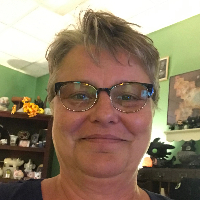
Kansas · 18 yrs exp
LGBT · Family · Trauma and abuse · Parenting · +13 more
Read profile
Missouri · 9 yrs exp
Stress, Anxiety · Grief · Anger · Depression · +8 more
Read profile
Kansas · 15 yrs exp
Relationship · Family · Intimacy-related issues · Parenting · +2 more
Read profile
Kansas · 5 yrs exp
Stress, Anxiety · Trauma and abuse · Anger · Self esteem · +11 more
Read profile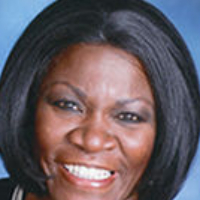
Kansas · 40 yrs exp
Stress, Anxiety · Grief · Self esteem · Depression · +6 more
Read profile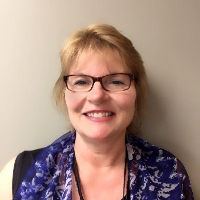
Kansas · 15 yrs exp
Stress, Anxiety · Trauma and abuse · Grief · Self esteem · +14 more
Read profile
Kansas · 10 yrs exp
Stress, Anxiety · Relationship · Family · Depression · +12 more
Read profileA Licensed Specialist Clinical Social Worker, commonly abbreviated as LSCSW, is a designation used in several U.S. states for social workers who have pursued graduate-level education in social work and additional clinical preparation. To become an LSCSW you must first earn a master of social work degree or higher, complete a substantial period of post-graduate supervised clinical experience, and pass the required state licensing examinations. The supervised hours focus on clinical assessment, treatment planning, psychotherapy, and ethical practice. States set specific requirements for the number of supervised hours and the nature of practice during that period. Beyond initial licensure, LSCSWs often engage in continuing education to keep skills current with evolving approaches to mental health care and social determinants of wellbeing. The credential signals that a clinician has formal training in evidence-informed clinical methods and a documented record of supervised practice working with individuals, families, or groups.
LSCSWs are trained to provide assessment and psychotherapy across a wide range of concerns, from anxiety and depression to trauma, relationship issues, and life transitions. They are skilled at connecting mental health symptoms to broader social and environmental factors such as family dynamics, school or workplace stressors, and access to community resources. While LSCSWs focus primarily on psychotherapy and clinical intervention, other licensed professionals may have different emphases. For example, psychologists have advanced training in psychological testing and research methods, marriage and family therapists center on relational systems, and medical providers can prescribe medication where appropriate. In practical terms, an LSCSW can deliver individual therapy, family therapy, crisis intervention, and case conceptualization, and they often coordinate care with other professionals when clients benefit from a team approach. If you need assessment, talk therapy, or help navigating community supports alongside therapy, an LSCSW can provide those services or refer you to complementary resources.
LSCSWs work across diverse clinical areas and often develop specialties based on additional training and clinical experience. Many LSCSWs focus on trauma-informed care and work with survivors of interpersonal violence, accidents, or childhood adversity using approaches that emphasize safety and stabilization. Others concentrate on work with children and adolescents, providing developmental assessment and family-centered treatment. You will also find LSCSWs who specialize in couples and family therapy, substance use treatment, grief and bereavement, or support for chronic medical conditions. Treatment approaches used by LSCSWs may include cognitive-behavioral strategies, interpersonal therapy, psychodynamic principles, motivational interviewing, and strengths-based social work methods. Because social work training emphasizes the interaction between individuals and their environments, LSCSWs often integrate practical problem-solving related to housing, school, employment, and legal systems into clinical work, helping you address life circumstances that influence mental health.
Verifying a clinician's LSCSW credential is an important step before beginning therapy. Each state maintains a licensing board or regulatory agency where you can confirm that a license is active and in good standing. Most state boards offer an online lookup tool where you can search by licensee name or license number to check status, issue and expiration dates, and any disciplinary history. You can also ask a therapist directly for their license number and the state that issued their LSCSW, and then cross-check that information with the state board. Additionally, professional association memberships, listed graduate schools, and details about supervised clinical hours can provide context about a therapist's training. When you contact a clinician, it is appropriate to ask about their years of experience, areas of specialty, typical treatment approaches, and whether they participate with insurance networks or offer sliding scale fees. A transparent conversation about credentials and practice style helps you feel confident about the clinician you choose.
Choosing an LSCSW therapist brings several practical benefits. Their training emphasizes both clinical therapy and the broader social factors that affect wellbeing, so they are well suited to help you address mental health symptoms while also navigating life circumstances that influence those symptoms. LSCSWs are often skilled at connecting clients to community resources, integrating case management with therapy when that combination will help you reach your goals. When searching for the right clinician, think about your priorities - such as specific treatment approaches, experience with particular life stages or identities, availability for sessions, and whether you prefer in-person or virtual appointments. Reach out to potential therapists with questions about their experience, approach to goal-setting in therapy, and what an initial session typically looks like. Trust your impression during an initial consultation; comfort with your therapist's communication style, cultural awareness, and willingness to collaborate are key to progress. Consider practicalities like insurance coverage, sliding scale options, and scheduling flexibility as well. If the first therapist you try does not feel like the right fit, it is reasonable to continue searching until you find someone whose background and approach align with your needs.
When you begin working with an LSCSW, you can expect an emphasis on practical strategies for coping, attention to social and environmental contributors to distress, and a collaborative approach to setting therapeutic goals. Taking time to verify credentials, ask direct questions, and reflect on fit will improve the chances of finding an LSCSW who supports your path forward. Use the listings above to review profiles, read clinician statements about approach and specialization, and reach out for an initial conversation to determine whether a particular LSCSW is the right clinician for you.