
Henry "Jay" Swedlaw
LPCC, LCMHC· Accepting clientsTexas · 20 yrs exp
Stress, Anxiety · LGBT · Relationship · Self esteem · +16 more
Read profileThe therapy listings are provided by BetterHelp and we will earn a commission if you use our link - at no cost to you.
Find clinicians who focus on the mental health and life impacts of an HIV / AIDS diagnosis. Browse therapist profiles below to compare specialties, approaches, and availability.
Use the listings to find someone who fits your needs and to take the next step toward support.
Texas · 20 yrs exp
Stress, Anxiety · LGBT · Relationship · Self esteem · +16 more
Read profile
Michigan · 25 yrs exp
Stress, Anxiety · LGBT · Relationship · Grief · +10 more
Read profile
Colorado · 19 yrs exp
Stress, Anxiety · Relationship · Trauma and abuse · Grief · +12 more
Read profile
Alabama · 22 yrs exp
Stress, Anxiety · Trauma and abuse · Anger · Self esteem · +16 more
Read profile
Florida · 30 yrs exp
Stress, Anxiety · LGBT · Self esteem · Coping with life changes · +2 more
Read profile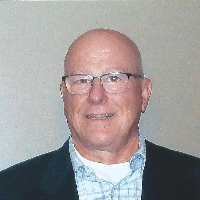
Illinois · 20 yrs exp
Stress, Anxiety · LGBT · Anger · Self esteem · +12 more
Read profile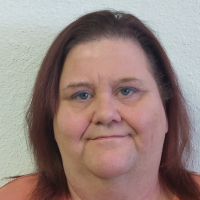
Texas · 9 yrs exp
Stress, Anxiety · Trauma and abuse · Grief · Depression · +12 more
Read profile
New York · 25 yrs exp
Stress, Anxiety · Trauma and abuse · Self esteem · Depression · +7 more
Read profile
Illinois · 12 yrs exp
Stress, Anxiety · LGBT · Relationship · Depression · +14 more
Read profile
Louisiana · 14 yrs exp
Stress, Anxiety · Anger · Self esteem · Depression · +9 more
Read profile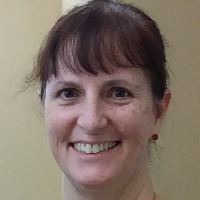
Florida · 32 yrs exp
Stress, Anxiety · Addictions · Relationship · Family · +13 more
Read profile
Florida · 20 yrs exp
Addictions · Relationship · Trauma and abuse · Parenting · +14 more
Read profile
Georgia · 17 yrs exp
Relationship · Family · Trauma and abuse · Career · +13 more
Read profile
Florida · 13 yrs exp
Stress, Anxiety · Self esteem · Depression · Coping with life changes · +7 more
Read profile
Michigan · 31 yrs exp
Stress, Anxiety · Family · Trauma and abuse · Self esteem · +16 more
Read profile
Florida · 33 yrs exp
Stress, Anxiety · LGBT · Relationship · Eating · +8 more
Read profile
Oregon · 17 yrs exp
Stress, Anxiety · Trauma and abuse · Grief · Intimacy-related issues · +1 more
Read profile
Florida · 25 yrs exp
Addictions · Bipolar · Depression · Coping with life changes · +7 more
Read profile
Michigan · 6 yrs exp
Stress, Anxiety · Grief · Self esteem · Depression · +3 more
Read profile
Colorado · 13 yrs exp
Stress, Anxiety · LGBT · Relationship · Trauma and abuse · +10 more
Read profile
Michigan · 13 yrs exp
Stress, Anxiety · Addictions · Trauma and abuse · Depression · +16 more
Read profile
Washington · 24 yrs exp
Stress, Anxiety · Family · Trauma and abuse · Parenting · +11 more
Read profile
Michigan · 22 yrs exp
Stress, Anxiety · Grief · Self esteem · Career · +13 more
Read profile
Mississippi · 21 yrs exp
Stress, Anxiety · Self esteem · Depression · Coping with life changes · +15 more
Read profileLiving with HIV or an AIDS diagnosis touches many parts of life beyond medical care. You may be managing treatment regimens, medical appointments, insurance questions, and changing relationships with partners, family, and friends. Even when medical treatment is effective, the experience of diagnosis, disclosure decisions, and navigating social attitudes can create ongoing stress. You are not alone in feeling overwhelmed, uncertain, or grief-stricken about what a diagnosis means for your future. Many people describe a mix of fear, anger, relief, isolation, and resilience as they adjust. Therapy for this specialty focuses on how the condition interacts with identity, relationships, work, and daily routines rather than making medical recommendations.
Stigma and stigma-related stress continue to affect many people living with HIV / AIDS. Cultural messages, past discrimination, and concerns about judgment can influence whether you seek care, tell partners, or join community supports. Financial pressures, housing instability, and access to healthcare also play a role in your mental wellbeing. A therapist who understands these social dynamics can help you make practical decisions, explore coping strategies, and build supports so you can navigate these challenges with more clarity and strength.
Therapy can be helpful at different points after diagnosis, during medical transitions, or when life circumstances change. You might consider seeking a clinician if you notice persistent anxiety that interferes with sleep or concentration, prolonged sadness or low energy that limits your ability to engage with daily life, or difficulties with relationships related to disclosure or intimacy. If you find yourself avoiding medical care out of fear, feeling isolated from friends or family, struggling with substance use, or facing identity questions connected to sexual orientation or gender, a therapist can work with you on coping skills and decision-making. Therapy is also useful when you want to process grief - whether it is grief about health, lost expectations, or losses in your community - and to find ways to reclaim meaning and purpose.
If you are experiencing thoughts of harming yourself or are in a situation that feels unsafe, reach out for immediate help through local emergency services or crisis lines. Therapy is a supportive step for ongoing care, but acute safety concerns should be addressed promptly by emergency or crisis resources in your area.
Therapy sessions typically begin with an assessment of your current concerns, medical context, relationship situation, and goals for therapy. Your therapist will ask about stressors, coping strategies you already use, and any barriers to care you face. Together you will set priorities - for example, managing anxiety, improving communication around disclosure, grieving losses, or addressing substance use that may have emerged or intensified. Sessions can include exploring emotions, practicing communication skills, and developing routines that support wellbeing. You can expect the therapist to tailor interventions to your needs, combining emotional support with practical problem solving so therapy feels relevant to daily life.
Some people seek short-term support for a specific transition, such as coping with a new diagnosis or preparing to disclose to a partner. Others pursue longer-term therapy to address deeper patterns, trauma, or chronic stress. Progress can look like reduced distress, improved relationships, clearer decision-making about disclosure and healthcare, and increased ability to manage anxiety or depressive symptoms. Your pace is important - a skilled therapist will work with you on goals that feel manageable and meaningful.
Therapists who work with people affected by HIV / AIDS draw from a range of evidence-informed approaches. Cognitive-behavioral techniques can help you identify unhelpful thought patterns and replace them with more balanced perspectives, reducing anxiety and improving mood. Acceptance-based therapies support you in living with uncertainty and focusing on valued actions despite challenging feelings. Trauma-informed care recognizes that many people have experienced past trauma and ensures interventions do not retraumatize you while addressing symptoms linked to trauma. Relationship-centered therapies help you navigate communication, disclosure, and intimacy concerns with partners and family.
Because HIV / AIDS intersects with stigma related to sexuality, gender identity, race, and socioeconomic status, many clinicians integrate cultural awareness and social justice perspectives. This means your therapist will consider how systems and identity factors affect your wellbeing and may use approaches that affirm your identity while helping you cope with external stressors. If you have a history of substance use, some therapists provide integrated treatment that addresses both substance use and mental health in a coordinated way.
Online therapy can increase access to clinicians who understand HIV / AIDS when in-person options are limited or when you prefer remote sessions. Typically, you will review therapist profiles, read about experience and specialties, and choose someone whose approach and background resonate with you. Sessions usually occur via video, phone, or secure messaging depending on the therapist's offerings. You can expect to schedule an initial consultation to discuss goals and logistics, and to receive guidance on how best to use online sessions to meet your needs. Many people appreciate the convenience of meeting from home or another comfortable environment and the ability to find clinicians with specific experience across geographic boundaries.
When evaluating potential therapists, pay attention to their experience with HIV / AIDS-related issues, their approach to disclosure and stigma, and whether they have worked with clients who share your cultural background or identity. It is reasonable to ask about their training in trauma-informed care, substance use, or couples work if those areas are relevant to you. Trust your instincts about whether you feel heard and respected in a consultation - the fit between you and your clinician is often the strongest predictor of helpful therapy. Practical considerations such as availability, session format, fees, and whether your insurance or payment method is accepted also matter.
Reaching out for therapy is a step toward gaining support, perspective, and tools to manage the complex emotional and practical issues that come with HIV / AIDS. You do not have to handle these challenges on your own - the right clinician can help you build resilience, improve relationships, and navigate next steps with greater confidence.
Alabama
365 therapists
Alaska
41 therapists
Arizona
339 therapists
Arkansas
182 therapists
Australia
646 therapists
California
2695 therapists
Colorado
547 therapists
Connecticut
228 therapists
Delaware
72 therapists
District of Columbia
72 therapists
Florida
2486 therapists
Georgia
936 therapists
Hawaii
98 therapists
Idaho
145 therapists
Illinois
844 therapists
Indiana
428 therapists
Iowa
109 therapists
Kansas
172 therapists
Kentucky
304 therapists
Louisiana
478 therapists
Maine
108 therapists
Maryland
435 therapists
Massachusetts
330 therapists
Michigan
852 therapists
Minnesota
316 therapists
Mississippi
244 therapists
Missouri
580 therapists
Montana
134 therapists
Nebraska
128 therapists
Nevada
144 therapists
New Hampshire
68 therapists
New Jersey
583 therapists
New Mexico
135 therapists
New York
1364 therapists
North Carolina
987 therapists
North Dakota
28 therapists
Ohio
599 therapists
Oklahoma
391 therapists
Oregon
193 therapists
Pennsylvania
829 therapists
Rhode Island
52 therapists
South Carolina
439 therapists
South Dakota
48 therapists
Tennessee
412 therapists
Texas
2557 therapists
United Kingdom
4380 therapists
Utah
231 therapists
Vermont
50 therapists
Virginia
530 therapists
Washington
349 therapists
West Virginia
76 therapists
Wisconsin
390 therapists
Wyoming
70 therapists