
Velma Jones
LCSW· Accepting clientsNew York · 29 yrs exp
Stress, Anxiety · Relationship · Trauma and abuse · Depression · +10 more
Read profileThe therapy listings are provided by BetterHelp and we will earn a commission if you use our link - at no cost to you.
On this page you will find licensed clinicians and specialists who focus on treating trichotillomania. Browse profiles to compare approaches, availability, and what therapists emphasize in care. Use the listings below to connect with a clinician who fits your needs.
New York · 29 yrs exp
Stress, Anxiety · Relationship · Trauma and abuse · Depression · +10 more
Read profile
North Carolina · 25 yrs exp
Stress, Anxiety · Relationship · Family · Grief · +15 more
Read profile
Texas · 20 yrs exp
Stress, Anxiety · LGBT · Relationship · Self esteem · +16 more
Read profile
Colorado · 19 yrs exp
Stress, Anxiety · Relationship · Trauma and abuse · Grief · +12 more
Read profile
Alabama · 22 yrs exp
Stress, Anxiety · Trauma and abuse · Anger · Self esteem · +16 more
Read profile
Texas · 13 yrs exp
Stress, Anxiety · Relationship · Trauma and abuse · Anger · +11 more
Read profile
Florida · 20 yrs exp
Stress, Anxiety · Addictions · Relationship · Self esteem · +16 more
Read profile
North Carolina · 10 yrs exp
Stress, Anxiety · Relationship · Family · Bipolar · +16 more
Read profile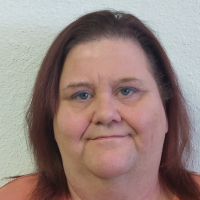
Texas · 9 yrs exp
Stress, Anxiety · Trauma and abuse · Grief · Depression · +12 more
Read profile
Louisiana · 10 yrs exp
Stress, Anxiety · Relationship · Family · Depression · +12 more
Read profile
Texas · 10 yrs exp
Stress, Anxiety · Relationship · Family · Depression · +14 more
Read profile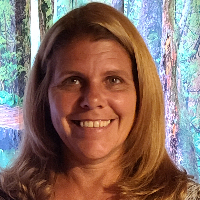
South Carolina · 10 yrs exp
Stress, Anxiety · Relationship · Family · Trauma and abuse · +1 more
Read profile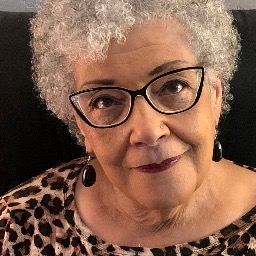
Michigan · 35 yrs exp
Stress, Anxiety · Addictions · Trauma and abuse · Self esteem · +3 more
Read profile
Michigan · 21 yrs exp
Stress, Anxiety · Relationship · Family · Bipolar · +14 more
Read profile
Florida · 20 yrs exp
Addictions · Relationship · Trauma and abuse · Parenting · +14 more
Read profile
New York · 20 yrs exp
Stress, Anxiety · Relationship · Family · Trauma and abuse · +15 more
Read profile
Florida · 30 yrs exp
Stress, Anxiety · Family · Grief · Self esteem · +13 more
Read profile
Texas · 26 yrs exp
Stress, Anxiety · Relationship · Trauma and abuse · Grief · +11 more
Read profile
Michigan · 16 yrs exp
Stress, Anxiety · Relationship · Parenting · Depression · +14 more
Read profile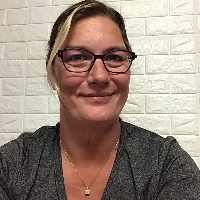
Indiana · 11 yrs exp
Stress, Anxiety · Addictions · Trauma and abuse · Parenting · +14 more
Read profile
New Jersey · 10 yrs exp
Stress, Anxiety · Family · Parenting · Anger · +9 more
Read profile
Michigan · 8 yrs exp
Stress, Anxiety · Self esteem · Career · Depression · +16 more
Read profile
Texas · 15 yrs exp
Stress, Anxiety · Grief · Self esteem · Depression · +13 more
Read profile
Florida · 35 yrs exp
Stress, Anxiety · Grief · Self esteem · Depression · +8 more
Read profileTrichotillomania is a condition that involves repeated hair pulling that leads to noticeable hair loss and distress. It can begin at any age but often starts in childhood or adolescence. For some people pulling happens in response to tension or negative emotions, and for others it can occur automatically without full awareness. The pattern and intensity vary widely - some people pull a few hairs occasionally while others engage in longer episodes that are difficult to stop.
The effects go beyond physical changes. You may experience embarrassment about bald patches, avoid social or professional situations, and spend significant time trying to hide or repair hair loss. Emotional consequences can include shame, frustration, and lowered self-esteem. When hair pulling interferes with daily activities, relationships, or your ability to work or study, seeking professional support can help you regain control and develop sustainable coping strategies.
If you find that hair pulling causes distress, occupies a lot of time, or interferes with your life, therapy can be a practical next step. You might notice a pattern where pulling increases during stress, boredom, or while focusing on repetitive tasks. Some people only notice pulling after the fact, discovering clumps of hair or damage to brows and lashes. Others can predict when an episode will start because certain feelings, thoughts, or environments trigger the behavior.
You may also benefit from therapy if attempts to stop pulling on your own have not worked, or if you are using compensatory behaviors such as excessive hair styling, makeup, or avoidance to hide hair loss. Therapy is helpful not only for reducing pulling but also for addressing the emotional drivers that maintain the behavior. If you are experiencing anxiety, low mood, or relationship strains related to hair pulling, a trained clinician can help you work through these interconnected issues.
Initial sessions typically involve assessment and collaboration to set clear, realistic goals. Your therapist will ask about the history of hair pulling, patterns and triggers, how it affects your life, and any prior strategies you have tried. They will also explore your broader mental health, sleep, stress, and daily routines, because these factors can influence pulling behavior. Together you and the clinician will create a plan that reflects your priorities, whether that is reducing the frequency of episodes, preventing damage to areas of hair loss, or relieving associated distress.
Therapy sessions often teach skills you can apply between meetings. Expect to practice techniques designed to increase awareness of pulling moments and to replace pulling with different actions. Your clinician may guide you through exercises during sessions and assign manageable homework to build new habits. Progress is usually gradual; a clinician will track changes, adjust strategies, and help you problem-solve when obstacles arise. The therapeutic relationship itself provides a place to discuss setbacks without judgment and to celebrate small gains that accumulate over time.
There are several evidence-informed approaches that clinicians use to treat trichotillomania. Habit-focused interventions emphasize learning to recognize the urge to pull and to implement competing responses - actions that interfere with pulling and give you time for the urge to pass. Cognitive strategies work to identify unhelpful thoughts and beliefs that intensify urges or perpetuate avoidance, helping you develop more balanced perspectives and reduce emotional triggers for pulling.
Acceptance-based methods help you change your relationship to urges by noticing them without acting on them, reducing the struggle that can paradoxically increase pulling. Mindfulness skills can be taught to increase present-moment awareness so you can catch pulling behavior early. When emotional distress or co-occurring conditions such as anxiety or depression are present, therapy may include targeted approaches for those issues as well. Depending on your needs, clinicians may coordinate with medical providers to discuss medication options as part of a broader treatment plan. The goal is to tailor a mix of strategies that fit your lifestyle and personal preferences.
Online therapy makes it possible to work with clinicians who specialize in trichotillomania no matter where you live. Sessions are typically conducted by video or phone and follow a structure similar to in-person care - assessment, skills training, and regular review of progress. Many people find remote work convenient because it removes travel time and can make scheduling easier. Video sessions also allow therapists to observe aspects of your behavior and environment that may be relevant to triggers and routines.
Between sessions you can receive assignments, tracking tools, and instructional materials electronically. Some therapists use email or secure portals for check-ins and to share worksheets that help you practice habit-replacement skills. It is important to find a clinician who has experience conducting remote sessions in a focused, interactive way so your time feels practical and productive. If you prefer to combine online work with occasional in-person visits, discussing that option up front can help you create a plan that fits your comfort level and goals.
When selecting a therapist, look for clinicians who list trichotillomania or body-focused repetitive behaviors among their specialties and who describe the treatment approaches they use. You may want to ask about their experience with habit-focused interventions, cognitive techniques, or acceptance-based methods, and how they measure progress. Consider whether you prefer a clinician with a background in particular therapeutic models or one who takes an integrative approach that adapts to your needs.
Practical considerations matter too. Think about logistics like session length, availability, whether they offer remote appointments, and whether their work schedule aligns with yours. A good initial conversation or consultation can help you assess fit - notice whether the clinician listens to your concerns, explains treatment clearly, and presents a collaborative plan you feel comfortable with. Trusting your sense of rapport is important because consistent, ongoing work tends to produce the best outcomes. If a therapist’s approach does not feel right after a few sessions, it is reasonable to discuss adjustments or to seek a different clinician who better matches your style.
To get the most from treatment, approach therapy with patience and openness to trying new strategies. Regular practice of skills between sessions helps build momentum, and tracking patterns can reveal triggers you may not notice in the moment. Be honest with your therapist about what works and what does not so your plan can be adapted. Progress often comes in small steps, and setbacks are part of the process; a skilled clinician will help you learn from those moments rather than view them as failure.
If you are ready to explore options, begin by reviewing therapist profiles below and reaching out to those whose descriptions align with your needs. A thoughtful match between you and your clinician increases the likelihood that you will find strategies that reduce hair pulling and improve your quality of life over time.
Alabama
365 therapists
Alaska
41 therapists
Arizona
339 therapists
Arkansas
182 therapists
Australia
646 therapists
California
2695 therapists
Colorado
547 therapists
Connecticut
228 therapists
Delaware
72 therapists
District of Columbia
72 therapists
Florida
2486 therapists
Georgia
936 therapists
Hawaii
98 therapists
Idaho
145 therapists
Illinois
844 therapists
Indiana
428 therapists
Iowa
109 therapists
Kansas
172 therapists
Kentucky
304 therapists
Louisiana
478 therapists
Maine
108 therapists
Maryland
435 therapists
Massachusetts
330 therapists
Michigan
852 therapists
Minnesota
316 therapists
Mississippi
244 therapists
Missouri
580 therapists
Montana
134 therapists
Nebraska
128 therapists
Nevada
144 therapists
New Hampshire
68 therapists
New Jersey
583 therapists
New Mexico
135 therapists
New York
1364 therapists
North Carolina
987 therapists
North Dakota
28 therapists
Ohio
599 therapists
Oklahoma
391 therapists
Oregon
193 therapists
Pennsylvania
829 therapists
Rhode Island
52 therapists
South Carolina
439 therapists
South Dakota
48 therapists
Tennessee
412 therapists
Texas
2557 therapists
United Kingdom
4380 therapists
Utah
231 therapists
Vermont
50 therapists
Virginia
530 therapists
Washington
349 therapists
West Virginia
76 therapists
Wisconsin
390 therapists
Wyoming
70 therapists