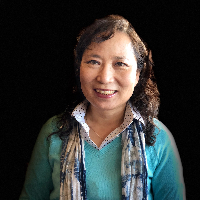
Myoung Shin Hilson
LPC· Accepting clientsWyoming · 15 yrs exp
Stress, Anxiety · Relationship · Trauma and abuse · Self esteem · +9 more
Read profileThe therapy listings are provided by BetterHelp and we will earn a commission if you use our link - at no cost to you.
Accessing therapy in your native language can deepen connection and help you express experiences that may be hard to translate. Browse the Korean-speaking therapists listed below to find clinicians who offer care in Korean.
Wyoming · 15 yrs exp
Stress, Anxiety · Relationship · Trauma and abuse · Self esteem · +9 more
Read profile
New York · 10 yrs exp
Stress, Anxiety · Relationship · Family · Trauma and abuse · +14 more
Read profile
Maryland · 24 yrs exp
Stress, Anxiety · Self esteem · Bipolar · Depression · +4 more
Read profile
Oklahoma · 7 yrs exp
Stress, Anxiety · Addictions · Relationship · Trauma and abuse · +15 more
Read profile
New York · 30 yrs exp
Stress, Anxiety · Relationship · Trauma and abuse · Grief · +1 more
Read profile
Washington · 15 yrs exp
Stress, Anxiety · Parenting · Self esteem · Depression · +4 more
Read profile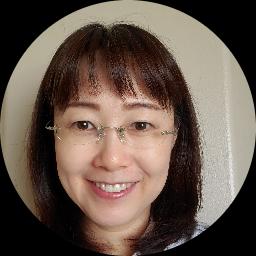
Texas · 8 yrs exp
Stress, Anxiety · Addictions · Anger · Self esteem · +14 more
Read profile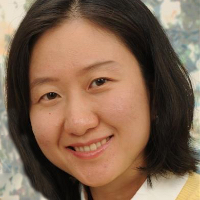
Pennsylvania · 11 yrs exp
Stress, Anxiety · Trauma and abuse · Self esteem · Coping with life changes · +15 more
Read profile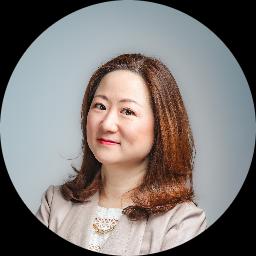
New Jersey · 8 yrs exp
Stress, Anxiety · Relationship · Family · Self esteem · +11 more
Read profile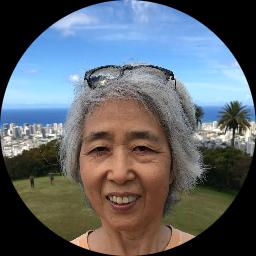
Hawaii · 15 yrs exp
Stress, Anxiety · Relationship · Trauma and abuse · Self esteem · +11 more
Read profile
New York · 3 yrs exp
Stress, Anxiety · Addictions · Anger · Bipolar · +7 more
Read profile
Florida · 5 yrs exp
Stress, Anxiety · Relationship · Trauma and abuse · Anger · +11 more
Read profile
New York · 4 yrs exp
Stress, Anxiety · Relationship · Family · Parenting · +14 more
Read profile
Missouri · 12 yrs exp
Family · Parenting · Self esteem · Coping with life changes · +1 more
Read profile
Maryland · 9 yrs exp
Trauma and abuse
Read profile
Florida · 16 yrs exp
Stress, Anxiety · Grief · Depression · Coping with life changes · +3 more
Read profile
New York · 5 yrs exp
Stress, Anxiety · Relationship · Self esteem · Depression · +1 more
Read profile
Virginia · 4 yrs exp
Stress, Anxiety · Self esteem · Depression · Coping with life changes · +2 more
Read profile
California · 20 yrs exp
Self esteem · Career · Coping with life changes · Stress, Anxiety · +3 more
Read profile
California · 14 yrs exp
Stress, Anxiety · Parenting · Anger · Self esteem · +1 more
Read profile
New York · 22 yrs exp
Stress, Anxiety · Trauma and abuse · Anger · Career · +1 more
Read profile
Australia · 4 yrs exp
Stress, Anxiety · Relationship · Family · Depression · +1 more
Read profileWhen you speak with a therapist in Korean, you tap into the rhythms and cultural meanings that shape how you think and feel. Language carries idioms, emotional vocabulary, and family dynamics that do not always translate cleanly into another tongue. Being able to describe complex feelings, childhood memories, or culturally specific stressors in Korean can make sessions feel more authentic and reduce the friction of constantly searching for the right words. That ease of expression often leads to clearer insights and a stronger therapeutic bond.
Therapy is not only about exchanging information - it is about being understood at an emotional level. A therapist who understands Korean language and culture is more likely to pick up on subtle cues, honor forms of respect and address sensitive topics in ways that feel respectful. In practice, this can mean a session that feels less like translation and more like a meaningful conversation where you can explore patterns, values, and change.
If you try therapy in a language that is not your strongest, you may notice important details slipping away. Nuance gets lost when metaphors, proverbs, or culturally shaped expressions are explained in a second language. You may find yourself simplifying or omitting parts of your story because they are difficult to articulate. Over time, this can reduce the depth of work you do and limit therapeutic progress.
Language barriers can also influence the therapeutic relationship itself. You might feel less comfortable disclosing shame-based topics or discussing family conflicts if you worry about wording or tone. Misunderstandings about greetings, levels of formality, or expectations around family roles can create unintended distance. Choosing a therapist who speaks Korean helps mitigate these risks by allowing you to focus on the content of your experience rather than on translation.
Online therapy with a Korean-speaking clinician often follows the same basic structure as in-person care: an initial intake to understand your goals, followed by regular sessions where you work on coping strategies, emotional processing, or relationship patterns. Because you and your therapist share a language, you can expect more fluid conversation and the chance to use culturally specific references that feel meaningful to you.
Many Korean-speaking therapists will also offer flexibility in how they communicate. You can discuss whether you prefer more direct guidance, reflective listening, or a collaborative problem-solving approach. It is common to ask about the therapist's approach to family dynamics, filial responsibility, and cross-cultural issues if those are significant to you. You should also feel comfortable asking whether the therapist has experience working with people from your region or background, since cultural norms can vary widely within Korean-speaking communities.
You may face a set of concerns that are shaped by cultural expectations and community norms. For some, going to therapy may feel like acknowledging a weakness or a family failing. Worries about how relatives will react, or how therapy might affect social standing, can delay seeking help. In addition, you may worry about finding a therapist who truly understands the interplay of family honor, intergenerational expectations, and migration-related stress.
Other practical concerns often come up. You might be unsure about insurance coverage, how to evaluate a therapist's credentials, or whether therapy can be effective online. It is normal to feel hesitant about starting work with someone new, especially when topics involve shame or complex family histories. Taking time to read therapist bios, look for descriptions of cultural competency, and arrange an initial consultation can help you assess whether a clinician feels like a good match for you.
Online therapy expands the number of Korean-speaking providers who are available to you. If you live in an area with few clinicians who offer care in Korean, online options can connect you to therapists in other regions who share your language and cultural background. This wider pool makes it easier to find someone whose training, style, and specialty align with your goals.
Convenience and scheduling flexibility are additional benefits. You can arrange appointments around work, family, and school commitments without long commutes. For people who feel more comfortable meeting from their own home, online sessions can feel less intimidating. Many clients also appreciate the ability to choose session formats - live video, phone sessions, or occasional messaging check-ins - depending on what helps them stay consistent with care.
Begin by clarifying your priorities. Are you looking for a therapist who specializes in anxiety, trauma, relationships, or life transitions? Do you want someone with experience working with specific cultural experiences such as immigration, acculturation, or intergenerational conflict? Once you know what matters most, read clinician bios to see how they describe their approach and experience.
Plan an initial conversation to get a sense of chemistry. You can use a brief phone call or a first session to ask about the therapist's training, how they handle cultural issues, and what a typical session looks like. Pay attention to how comfortable you feel describing difficult topics in Korean with them. Trust your sense of whether they listen attentively, ask thoughtful questions, and reflect an understanding of your cultural context.
Finally, consider logistics like fees, scheduling, and technical needs. Ask about sliding scale options if cost is a concern and check whether the therapist offers evening or weekend availability if you work during the day. When you combine language, cultural fit, therapeutic approach, and practical logistics, you increase the likelihood of finding a clinician who can support you effectively on your healing journey.
Seeking therapy in Korean can open new pathways for expression and healing. With thoughtful choices and clear communication, you can find a therapist who understands both your language and the cultural patterns that shape your life. Use the listings above to explore profiles, read about clinicians' approaches, and reach out to schedule a conversation that can help you take the next step.