
Shamiso Mazaiwana
BACP· Accepting clientsUnited Kingdom · 7 yrs exp
Stress, Anxiety · Relationship · Family · Trauma and abuse · +7 more
Read profileThe therapy listings are provided by BetterHelp and we will earn a commission if you use our link - at no cost to you.
Accessing therapy in your native Shona can make it easier to express feelings, describe experiences, and connect with a clinician who understands cultural context. Browse Shona-speaking therapists below to compare specialties, approaches, and availability.
United Kingdom · 7 yrs exp
Stress, Anxiety · Relationship · Family · Trauma and abuse · +7 more
Read profile
United Kingdom · 5 yrs exp
Stress, Anxiety · Addictions · Relationship · Grief · +12 more
Read profile
United Kingdom · 22 yrs exp
Relationship · Family · Grief · Self esteem · +14 more
Read profile
United Kingdom · 3 yrs exp
Stress, Anxiety · Relationship · Trauma and abuse · Grief · +3 more
Read profile
United Kingdom · 13 yrs exp
Relationship · Family · Stress, Anxiety · Trauma and abuse · +8 more
Read profile
Australia · 16 yrs exp
Stress, Anxiety · Relationship · Parenting · Self esteem · +1 more
Read profile
Australia · 16 yrs exp
Stress, Anxiety · Addictions · Trauma and abuse · Anger · +1 more
Read profile
United Kingdom · 3 yrs exp
Stress, Anxiety · Relationship · Trauma and abuse · Self esteem · +1 more
Read profile
Australia · 16 yrs exp
Addictions · Relationship · Trauma and abuse · Career · +10 more
Read profile
United Kingdom · 13 yrs exp
Stress, Anxiety · Addictions · Relationship · Family · +12 more
Read profile
Australia · 5 yrs exp
Stress, Anxiety · Relationship · Trauma and abuse · Anger · +4 more
Read profile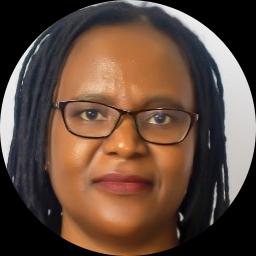
Australia · 20 yrs exp
Stress, Anxiety · Family · Trauma and abuse · Self esteem · +1 more
Read profile
Australia · 3 yrs exp
Relationship · Family · Trauma and abuse · Grief · +1 more
Read profile
Australia · 15 yrs exp
Relationship · Trauma and abuse · Parenting · Coping with life changes · +1 more
Read profile
Australia · 10 yrs exp
Stress, Anxiety · Family · Grief · Parenting · +1 more
Read profile
Australia · 5 yrs exp
Family · Trauma and abuse · Parenting · Self esteem · +1 more
Read profile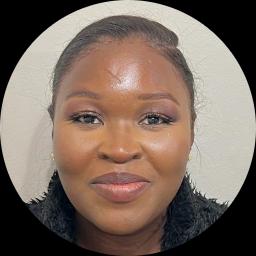
Australia · 7 yrs exp
Stress, Anxiety · Relationship · Family · Trauma and abuse · +1 more
Read profile
United Kingdom · 3 yrs exp
Stress, Anxiety · Family · Self esteem · Depression · +5 more
Read profileWhen you speak in your first language you bring forward words, expressions, and cultural references that shape how you understand yourself. Therapy is not only about techniques and diagnoses - it is an interpersonal process that relies on nuance, tone, and shared meaning. Speaking Shona with a therapist lets you use familiar idioms and metaphors that carry emotional weight, which can make it easier to name feelings and to trace where they come from. You may find that grief, anger, or shame are wrapped up in family stories, proverbs, or community expectations that lose their texture when translated into another language.
Choosing a therapist who can hear those subtleties helps you build a stronger therapeutic connection from the start. You will spend less energy translating your experience and more time exploring it. This can speed up progress in sessions and make it more likely that recommendations and coping strategies will feel relevant and doable in your daily life. For many people the ability to speak in a native language also reduces the social friction of revealing intimate concerns, because the speech patterns and cultural signals feel familiar and respectful.
Language barriers create more than a literal gap in words - they can distort meaning. Certain emotions and concepts may not have direct equivalents in another language, and literal translations can strip away connotation and context. When you are forced to choose vocabulary that feels only approximate, you may understate the intensity of an experience or miss important cultural cues. This can lead to misinterpretation of your struggles or to therapy goals that are mismatched with what you really need.
Beyond vocabulary, cultural differences in storytelling and conflict resolution shape how you describe problems. If your therapist is not familiar with Shona family structures, community roles, or customary ways of communicating, they may miss why a situation carries particular weight. That can make you feel unseen or misunderstood, which reduces trust and can slow down the work. Finding a clinician who shares your language reduces these risks and helps ensure that your emotions and experiences are understood in context.
Online therapy with a Shona-speaking clinician often follows a familiar pattern - an initial intake conversation to learn about your concerns, followed by regular sessions focused on the goals you set together. Because sessions occur remotely you can connect from your home, workplace, or another setting that feels comfortable. You can expect the therapist to ask about language preferences, cultural background, and how you typically express feelings in your community. This helps the therapist adapt their questions and interventions so they fit your way of speaking and thinking.
Practical details such as session length, frequency, and fees are usually discussed early on. Many Shona-speaking therapists will offer a brief consultation so you can get a sense of style and rapport before committing. During sessions you should expect to use Shona freely - talking about family history, proverbs, or everyday worries in terms that feel natural to you. If you prefer a mix of Shona and another language, mention that up front and the therapist can accommodate code-switching or a bilingual approach.
You may worry about how therapy will be perceived by your family or community. In many Shona-speaking families there is a strong emphasis on resilience, collective problem-solving, and turning to religious or community leaders for support. Seeking outside help can feel unfamiliar or raise concerns about judgment. Talking openly with a Shona-speaking therapist about these pressures can help you explore how to navigate them while maintaining respect for your cultural values.
Another common challenge is finding a therapist who understands specific cultural practices, rituals, or the role of elders and extended family in decision-making. If you are concerned about cultural fit, you can ask prospective therapists about their experience working with Shona-speaking clients and how they incorporate cultural context into therapy. A good match is not only about shared language but also about the clinician's willingness to learn and engage respectfully with your background.
Online therapy expands your options beyond what's available locally. If there are few Shona-speaking clinicians in your area, virtual sessions let you work with someone who shares your language and cultural understanding even if they live elsewhere. This wider pool increases the chance of finding a therapist who matches your preferences for approach, specialization, and personality. It also allows you to schedule sessions at times that fit your work or family routine, reducing barriers that might otherwise prevent consistent care.
Remote therapy can also make it easier to try different clinicians until you find a good fit. Because travel time is removed, you can arrange a short consultation or a first session without disrupting your day. For caregivers, parents, or people balancing multiple responsibilities, this flexibility can be crucial in maintaining momentum in therapy. Many clients find that being able to attend from a familiar environment helps them open up more quickly and stay engaged with the process.
When you begin your search, think about what matters most to you beyond language. Consider whether you want a clinician who uses a particular therapeutic model, such as a talk therapy approach, trauma-informed care, or family-focused work. You can ask about the therapist's experience working with Shona-speaking clients and how they incorporate cultural customs, religious beliefs, or family systems into their practice. A therapist who listens well and asks thoughtful questions about your cultural background is likely to adapt their approach to fit your needs.
Start with brief introductory calls to get a sense of rapport and communication style. Pay attention to how comfortable you feel speaking in Shona and whether the therapist demonstrates awareness of cultural nuances. Ask how they handle confidentiality and record-keeping, what technology they use for sessions, and what their cancellation and payment policies are. It is reasonable to ask about their training, licensure, and experience with issues similar to yours. If you are unsure after a session, it is okay to try another therapist - finding the right match sometimes takes a few attempts.
Ultimately you should choose someone who respects your perspective, explains options in ways that make sense to you, and helps you set goals that align with your values. Therapy is a collaboration, and working with a Shona-speaking clinician can help you build a partnership where your language and culture are an active part of the healing process. Take your time, trust your instincts, and use the listing above to reach out and schedule a consultation that feels right for you.