
Dr. Vanessa Bowen
LCSW, CSW· Accepting clientsGeorgia · 15 yrs exp
Stress, Anxiety · Relationship · Family · Trauma and abuse · +12 more
Read profileThe therapy listings are provided by BetterHelp and we will earn a commission if you use our link - at no cost to you.
A Certified Social Worker (CSW) is a trained social work professional who provides therapeutic support, resource coordination, and advocacy. Browse verified CSW therapists below to compare specialties, approaches, and availability. Use profile details to connect with a clinician who meets your needs.
Georgia · 15 yrs exp
Stress, Anxiety · Relationship · Family · Trauma and abuse · +12 more
Read profile
Virginia · 31 yrs exp
Stress, Anxiety · Relationship · Family · Trauma and abuse · +12 more
Read profile
Georgia · 25 yrs exp
Stress, Anxiety · Parenting · Anger · Self esteem · +15 more
Read profile
Colorado · 5 yrs exp
Stress, Anxiety · Relationship · Family · Trauma and abuse · +10 more
Read profile
Colorado · 15 yrs exp
Stress, Anxiety · Grief · Depression · Coping with life changes · +10 more
Read profile
Georgia · 7 yrs exp
Stress, Anxiety · Trauma and abuse · Self esteem · Depression · +10 more
Read profile
Georgia · 5 yrs exp
Addictions · Relationship · Family · Trauma and abuse · +13 more
Read profile
Georgia · 18 yrs exp
Stress, Anxiety · Relationship · Parenting · Self esteem · +1 more
Read profile
Georgia · 36 yrs exp
Stress, Anxiety · LGBT · Relationship · Family · +16 more
Read profile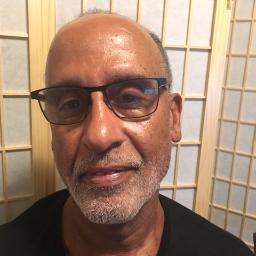
Georgia · 35 yrs exp
Stress, Anxiety · Relationship · Family · Parenting · +12 more
Read profile
Georgia · 9 yrs exp
Stress, Anxiety · Depression · Relationship · Family · +5 more
Read profile
Georgia · 3 yrs exp
Addictions · Family · Self esteem · Stress, Anxiety · +7 more
Read profile
Colorado · 52 yrs exp
Stress, Anxiety · LGBT · Grief · Depression · +6 more
Read profile
Colorado · 8 yrs exp
Stress, Anxiety · Relationship · Trauma and abuse · Grief · +16 more
Read profile
Texas · 10 yrs exp
Stress, Anxiety · Relationship · Self esteem · Depression · +9 more
Read profile
Colorado · 12 yrs exp
Stress, Anxiety · Trauma and abuse · Self esteem · Depression · +1 more
Read profile
Georgia · 20 yrs exp
Stress, Anxiety · Relationship · Family · Intimacy-related issues · +1 more
Read profile
Georgia · 5 yrs exp
Family · Trauma and abuse · Parenting · Self esteem · +1 more
Read profile
Georgia · 18 yrs exp
Stress, Anxiety · Trauma and abuse · Self esteem · Career · +8 more
Read profile
Colorado · 4 yrs exp
Stress, Anxiety · Trauma and abuse · Career · Depression · +8 more
Read profile
Georgia · 8 yrs exp
Relationship · Family · Parenting · Self esteem · +1 more
Read profile
Georgia · 20 yrs exp
Stress, Anxiety · Relationship · Family · Anger · +7 more
Read profile
Colorado · 10 yrs exp
Stress, Anxiety · Grief · Depression · Addictions · +9 more
Read profile
Georgia · 7 yrs exp
Stress, Anxiety · Relationship · Self esteem · Depression · +3 more
Read profileA Certified Social Worker (CSW) credential indicates that a practitioner has completed a formal education in social work and met specified requirements for practice in their jurisdiction. While exact titles and requirements differ across states and regions, a CSW generally reflects foundational preparation in social work theory, practice, ethics, and community systems. If you are exploring providers, it helps to know that this credential emphasizes assessment, case planning, and an ability to work across systems - from schools and hospitals to community agencies and specialty clinics.
Most CSW practitioners hold a bachelor or master degree in social work, and many have completed supervised field placements during their training. In many cases, additional supervised practice hours are required beyond academic coursework before a social worker can advance to higher clinical credentials. When you review a therapist's profile, look for clear mentions of their degree, practicum or internship experiences, and any continuing education or specialty training they have completed. Those details can give you a sense of their preparation and areas of emphasis.
CSW therapists often provide assessment, counseling, case management, advocacy, and coordination of community resources. They are trained to consider the broader social and environmental factors that influence well-being - such as family systems, housing, employment, and access to benefits - and to integrate that perspective into treatment planning. In clinical settings, CSW clinicians may offer individual therapy, family work, group interventions, and interventions tailored to life transitions and social stressors.
Compared with clinical-only licenses that may emphasize psychotherapy hours and diagnostic therapy, CSW credentials emphasize a blend of therapeutic skills and system-level practice. In some regions, a CSW may not have the same independent clinical privileges as a clinician with a more advanced clinical license. That means a CSW might work under supervision for certain clinical procedures or refer clients to colleagues for specific services. When you choose a therapist, clarify what services they are authorized to provide in your area, and how they collaborate with other professionals when additional care is needed.
CSW therapists often develop specialties that reflect the settings where social work is most active. You will find CSW clinicians working with children and families, adolescents, older adults, people experiencing homelessness, and individuals navigating medical or palliative care. They commonly address issues such as trauma response, grief and loss, parenting and family conflict, school-related concerns, substance use challenges, and the social determinants that affect mental health and daily functioning.
The therapeutic approaches used by CSW practitioners are diverse and may include trauma-informed care, cognitive-behavioral strategies, strengths-based and solution-focused models, motivational interviewing, and systems-oriented family work. Because of their training in community resources and advocacy, CSW therapists often blend direct counseling with practical support - helping you access benefits, coordinate care with other providers, or connect with community programs that can reinforce therapeutic goals. If you want therapy that addresses both emotional needs and life conditions, a CSW may be a good fit.
Verifying a CSW credential is an important step before beginning care. You can confirm licensure and standing by checking the relevant state or regional licensing board, which typically lists active credentials, expiration dates, and any public actions. When you view a therapist profile, look for a license number, issuing jurisdiction, and the date of the most recent renewal. If the profile does not provide those details, you can request them directly from the clinician or their practice. Licensing bodies are the primary source for authoritative verification.
Beyond formal verification, ask about the clinician's supervised hours, continuing education in areas relevant to your concerns, and experience working with clients who have needs similar to yours. Inquire whether they provide telehealth options, what settings they commonly work in, and how they coordinate with other providers. Confirming these practical details will help you understand the clinician's readiness to meet your goals and how they operate within the scope of their credential.
Choosing a CSW therapist can offer specific advantages if you want care that integrates therapeutic work with practical problem-solving. CSW clinicians bring a system-level perspective that recognizes how social conditions influence mental health. That means they often excel at navigating community supports, linking you with resources, and addressing barriers that might interfere with progress. You can expect a practitioner who balances direct emotional support with attention to housing, employment, school issues, or family dynamics as part of a comprehensive plan.
When you search for a CSW therapist, begin by clarifying your priorities - whether you need trauma-focused therapy, support for a young person, assistance with case management, or help coordinating care after a medical event. Use profile filters to narrow by specialties, therapeutic approaches, and availability. Arrange an initial consultation to assess rapport; a brief conversation can reveal whether the clinician's style, expectations, and scheduling work for you. Ask about their experience with your primary concern, how they measure progress, and how they handle crisis or urgent needs. Also verify logistical details such as fees, insurance acceptance, sliding scale options, and how cancellations are managed.
Therapeutic fit matters. If you start with a CSW and feel that your needs require a different license or level of clinical intervention, a skilled social worker will typically provide referrals or collaborate with other professionals to ensure you get appropriate care. Trusting your instincts during the first few sessions and communicating your goals openly will help you and your therapist tailor a plan that addresses both emotional healing and real-world challenges. With thoughtful searching and clear communication, you can find a CSW who supports your path forward in a way that feels practical, respectful, and effective.
As you review listings, use the profile details and initial conversations to make an informed choice. A Certified Social Worker can be a strong partner in addressing complex life circumstances while also delivering therapeutic care that respects your lived experience and priorities.