
Velma Jones
LCSW· Accepting clientsNew York · 29 yrs exp
Stress, Anxiety · Relationship · Trauma and abuse · Depression · +10 more
Read profileThe therapy listings are provided by BetterHelp and we will earn a commission if you use our link - at no cost to you.
This page highlights therapists who identify as Black or who specialize in culturally informed care for Black clients. Explore profiles below to compare approaches, availability, and areas of focus.
Use the filters to narrow results and connect with clinicians who match your needs and preferences.
New York · 29 yrs exp
Stress, Anxiety · Relationship · Trauma and abuse · Depression · +10 more
Read profile
Georgia · 20 yrs exp
Stress, Anxiety · Addictions · Relationship · Self esteem · +12 more
Read profile
Florida · 16 yrs exp
Stress, Anxiety · Relationship · Trauma and abuse · Depression · +6 more
Read profile
Colorado · 19 yrs exp
Stress, Anxiety · Relationship · Trauma and abuse · Grief · +12 more
Read profile
Alabama · 22 yrs exp
Stress, Anxiety · Trauma and abuse · Anger · Self esteem · +16 more
Read profile
Texas · 13 yrs exp
Stress, Anxiety · Relationship · Trauma and abuse · Anger · +11 more
Read profile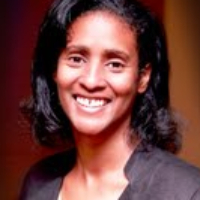
Georgia · 30 yrs exp
Stress, Anxiety · Grief · Depression · Coping with life changes · +3 more
Read profile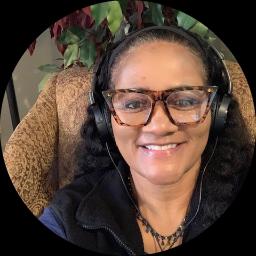
Mississippi · 16 yrs exp
Stress, Anxiety · Relationship · Family · Parenting · +6 more
Read profile
North Carolina · 12 yrs exp
Relationship · Family · Parenting · Self esteem · +7 more
Read profile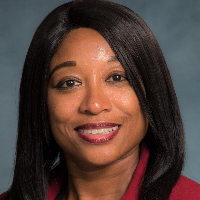
Georgia · 8 yrs exp
Stress, Anxiety · Relationship · Family · Grief · +11 more
Read profile
New Jersey · 5 yrs exp
Stress, Anxiety · Relationship · Family · Anger · +12 more
Read profile
Tennessee · 15 yrs exp
Stress, Anxiety · Family · Self esteem · Depression · +4 more
Read profile
Texas · 21 yrs exp
Stress, Anxiety · Relationship · Family · Depression · +13 more
Read profile
Maryland · 10 yrs exp
Stress, Anxiety · Relationship · Family · Intimacy-related issues · +12 more
Read profile
Georgia · 15 yrs exp
Stress, Anxiety · Relationship · Family · Trauma and abuse · +12 more
Read profile
New York · 25 yrs exp
Stress, Anxiety · Addictions · Trauma and abuse · Self esteem · +11 more
Read profile
Texas · 6 yrs exp
Stress, Anxiety · Relationship · Trauma and abuse · Depression · +4 more
Read profile
Florida · 8 yrs exp
Stress, Anxiety · Relationship · Family · Self esteem · +12 more
Read profile
New York · 35 yrs exp
Stress, Anxiety · Self esteem · Career · ADHD · +10 more
Read profile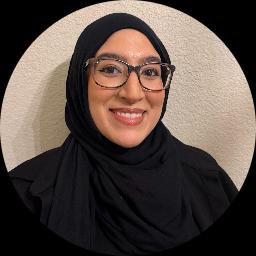
Louisiana · 10 yrs exp
Stress, Anxiety · Relationship · Family · Depression · +12 more
Read profile
Texas · 10 yrs exp
Stress, Anxiety · Relationship · Family · Depression · +14 more
Read profile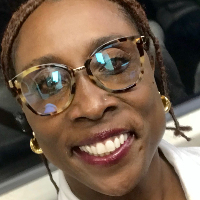
Florida · 26 yrs exp
Stress, Anxiety · Relationship · Anger · Depression · +13 more
Read profile
California · 20 yrs exp
Stress, Anxiety · Relationship · Intimacy-related issues · Career · +14 more
Read profile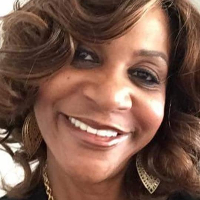
Ohio · 18 yrs exp
Stress, Anxiety · Trauma and abuse · Grief · Anger · +11 more
Read profileBlack-affirming therapy refers to mental health care that explicitly accounts for the historical, social, and cultural realities that shape Black lives. When you work with a clinician who centers racial identity, they bring awareness of how structural racism, microaggressions, and community strengths influence well-being. That perspective does not replace clinical skill - it complements it by placing symptoms and struggles in a broader context. Many people seek out Black-affirming therapy because it can reduce the burden of explaining lived experiences at every appointment and because it can validate cultural expressions, family dynamics, and spiritual practices that are meaningful to Black communities.
Seeking this type of care may feel especially important when you are navigating experiences that are tightly linked to race - such as discrimination at work, generations of trauma, or identity development in multiracial environments. A therapist with cultural competence can help you translate those experiences into therapeutic goals, whether you are working on stress management, relationship concerns, grief, or exploring how racial identity intersects with other parts of your life. The aim is to offer clinical tools while honoring the resilience and coping strategies already present in your life and community.
You might consider a Black-affirming therapist if you find yourself frequently processing race-related incidents, feeling isolated in predominantly non-Black spaces, or carrying tension about how your identity is perceived. Persistent stress, difficulty sleeping, or changes in mood after encounters involving bias are common reasons people reach out. You may also be coping with historical or intergenerational trauma that shows up as anxiety, anger, or avoidance, and want a clinician who recognizes those patterns without minimizing them.
Other signs include recurring conflicts in family or work settings that feel tied to cultural expectations, challenges around parenting across generational differences, or major life transitions where identity becomes central - for example, moving to a new city, entering or leaving a relationship, or starting a new job. If you have tried general therapy before and felt misunderstood or had to repeatedly teach your therapist about your background, seeking someone who explicitly centers Black identity may help you move forward more quickly. Therapy is a personal decision, and feeling that your experiences will be seen and reflected back to you is often a catalyst for change.
In a typical first session you can expect a conversation that balances assessment with rapport-building. The therapist will likely ask about current concerns, personal and family history, and cultural background so they can understand how race, culture, and community fit into your story. You should feel able to discuss your expectations for therapy and to ask how the clinician integrates cultural knowledge into their work. Boundaries, session length, fees, and availability are usually clarified early, and the therapist may invite you to set collaborative goals.
As therapy progresses, sessions often weave together attention to daily functioning with deeper exploration of identity, historical context, and meaning. You might work on skills for managing stress or reactivity while also exploring how experiences of marginalization shape your beliefs about safety, belonging, and self-worth. Many clinicians incorporate community and relational factors into the work - considering how family, faith groups, and social networks support or challenge your growth. You should expect a pace that respects your readiness; some topics may be approached slowly with grounding strategies, while others may move more directly toward processing and reframing.
Therapists often draw on several evidence-informed approaches while adapting them to cultural context. Cognitive behavioral techniques can help you identify unhelpful thought patterns and develop practical coping strategies, while trauma-informed care emphasizes safety, stabilization, and understanding how past events affect present functioning. Narrative therapy can be useful for rewriting stories about identity and resilience, allowing you to reclaim agency over a life narrative that may include both hardship and strength.
Many clinicians integrate culturally specific frameworks that acknowledge systemic factors and community resources. This may include exploring collective coping strategies, spiritual practices, and intergenerational knowledge as assets in the healing process. Somatic approaches attend to how stress and trauma show up in your body, teaching techniques to regulate physiology during moments of high arousal. Mindfulness and stress reduction practices are commonly paired with these methods to support ongoing self-care. The best approach is often integrative - matching the method to your goals, preferences, and life circumstances.
Online therapy has expanded access to clinicians who share your cultural background or who specialize in Black-affirming care. Through video, phone, or messaging, you can connect from a familiar environment, which can make it easier to attend sessions around work and family obligations. When considering online care, pay attention to practical details such as whether the clinician offers video or audio sessions, session length, cancellation policies, and how they handle emergencies. Many therapists provide an initial consultation - often shorter and lower cost - so you can assess fit before committing to a full course of sessions.
Choosing the right therapist involves both objective and subjective factors. Look at stated specialties, training, and years of experience, but also notice how a clinician talks about culture and race in their profile. A good match is someone who names race as a facet of their work and who can describe how they integrate cultural knowledge into therapy. Accessibility is also important - consider language preferences, evening or weekend availability, and whether the clinician accepts your insurance or offers a sliding scale. Trust your instincts: after a first session, reflect on whether you felt seen and heard and whether the therapist's approach felt respectful of your values.
If you are unsure where to start, consider reaching out to a few clinicians for brief consultations to compare styles and practicalities. Prepare questions that matter to you - for example, how they approach racial stress, whether they have experience with similar life situations, and how they measure progress. Over time, you will develop a sense of what helps you engage and grow. Therapy that centers your cultural experience can be a place to process pain, rebuild resilience, and create ways of living that align with your identity and goals. When you find the right fit, the work you do in sessions can translate into clearer boundaries, improved relationships, and a stronger sense of self in a complex world.
Alabama
365 therapists
Alaska
41 therapists
Arizona
339 therapists
Arkansas
182 therapists
Australia
646 therapists
California
2695 therapists
Colorado
547 therapists
Connecticut
228 therapists
Delaware
72 therapists
District of Columbia
72 therapists
Florida
2486 therapists
Georgia
936 therapists
Hawaii
98 therapists
Idaho
145 therapists
Illinois
844 therapists
Indiana
428 therapists
Iowa
109 therapists
Kansas
172 therapists
Kentucky
304 therapists
Louisiana
478 therapists
Maine
108 therapists
Maryland
435 therapists
Massachusetts
330 therapists
Michigan
852 therapists
Minnesota
316 therapists
Mississippi
244 therapists
Missouri
580 therapists
Montana
134 therapists
Nebraska
128 therapists
Nevada
144 therapists
New Hampshire
68 therapists
New Jersey
583 therapists
New Mexico
135 therapists
New York
1364 therapists
North Carolina
987 therapists
North Dakota
28 therapists
Ohio
599 therapists
Oklahoma
391 therapists
Oregon
193 therapists
Pennsylvania
829 therapists
Rhode Island
52 therapists
South Carolina
439 therapists
South Dakota
48 therapists
Tennessee
412 therapists
Texas
2557 therapists
United Kingdom
4380 therapists
Utah
231 therapists
Vermont
50 therapists
Virginia
530 therapists
Washington
349 therapists
West Virginia
76 therapists
Wisconsin
390 therapists
Wyoming
70 therapists