
Anne Douglas
LMFT· Accepting clientsNorth Carolina · 25 yrs exp
Stress, Anxiety · Relationship · Family · Grief · +15 more
Read profileThe therapy listings are provided by BetterHelp and we will earn a commission if you use our link - at no cost to you.
This page lists therapists who specialize in body image concerns, presenting their therapeutic approaches, areas of focus, and client preferences. Browse the listings below to compare practitioners and find a therapist who fits your needs.
North Carolina · 25 yrs exp
Stress, Anxiety · Relationship · Family · Grief · +15 more
Read profile
Texas · 20 yrs exp
Stress, Anxiety · LGBT · Relationship · Self esteem · +16 more
Read profile
Florida · 16 yrs exp
Stress, Anxiety · Relationship · Trauma and abuse · Depression · +6 more
Read profile
Ohio · 25 yrs exp
Stress, Anxiety · LGBT · Relationship · Self esteem · +16 more
Read profile
Michigan · 25 yrs exp
Stress, Anxiety · LGBT · Relationship · Grief · +10 more
Read profile
Colorado · 19 yrs exp
Stress, Anxiety · Relationship · Trauma and abuse · Grief · +12 more
Read profile
Alabama · 22 yrs exp
Stress, Anxiety · Trauma and abuse · Anger · Self esteem · +16 more
Read profile
Texas · 13 yrs exp
Stress, Anxiety · Relationship · Trauma and abuse · Anger · +11 more
Read profile
Florida · 20 yrs exp
Stress, Anxiety · Addictions · Relationship · Self esteem · +16 more
Read profile
Washington · 16 yrs exp
Stress, Anxiety · Addictions · LGBT · Bipolar · +12 more
Read profile
Illinois · 30 yrs exp
Addictions · Relationship · Family · Trauma and abuse · +6 more
Read profile
Mississippi · 16 yrs exp
Stress, Anxiety · Relationship · Family · Parenting · +6 more
Read profile
Oregon · 26 yrs exp
Stress, Anxiety · Trauma and abuse · Grief · Depression · +10 more
Read profile
Minnesota · 29 yrs exp
Stress, Anxiety · Relationship · Anger · Self esteem · +11 more
Read profile
Kentucky · 18 yrs exp
LGBT · Relationship · Family · Self esteem · +14 more
Read profile
Louisiana · 7 yrs exp
Stress, Anxiety · Family · Trauma and abuse · Parenting · +15 more
Read profile
Florida · 25 yrs exp
Stress, Anxiety · Family · Grief · Self esteem · +12 more
Read profile
Michigan · 5 yrs exp
Stress, Anxiety · Relationship · Family · Self esteem · +12 more
Read profile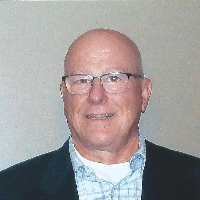
Illinois · 20 yrs exp
Stress, Anxiety · LGBT · Anger · Self esteem · +12 more
Read profile
Missouri · 16 yrs exp
Stress, Anxiety · Trauma and abuse · Self esteem · Bipolar · +12 more
Read profile
North Carolina · 10 yrs exp
Stress, Anxiety · Relationship · Family · Bipolar · +16 more
Read profile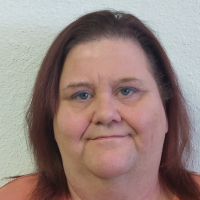
Texas · 9 yrs exp
Stress, Anxiety · Trauma and abuse · Grief · Depression · +12 more
Read profile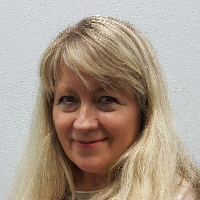
Oklahoma · 20 yrs exp
Stress, Anxiety · Relationship · Family · Self esteem · +15 more
Read profile
Louisiana · 10 yrs exp
Stress, Anxiety · Relationship · Family · Depression · +12 more
Read profileBody image is the set of perceptions, thoughts, and feelings you have about your body's appearance and capabilities. It includes how you see yourself in the mirror, the assumptions you make about how others view your body, and the emotions that arise when you compare yourself to cultural ideals. While many people experience occasional dissatisfaction with their looks, body image becomes more disruptive when it shapes daily choices, social interactions, eating patterns, or self-worth. For some people the experience centers on weight and shape. For others it centers on scarring, disability, aging, gender-related changes, or chronic illness. Cultural messages from media, family expectations, and personal experiences such as teasing or trauma can intensify negative body image and make it feel persistent and internalized.
When body image becomes a dominant part of your identity, it can influence how you show up at work, in relationships, and in activities you used to enjoy. You might avoid social events, cover up your body, or spend a lot of time grooming or checking your appearance. These reactions are understandable - bodies are visible and culturally meaningful - but they can leave you feeling stuck, anxious, or depleted. Therapy for body image aims to shift the relationship you have with your body, helping you move from constant critique to more balanced, accepting ways of living.
If you find that thoughts about your body take up a large portion of your mental space, therapy may help. You may notice persistent negative self-talk, frequent comparisons to others, or a pattern of avoidance that limits your activities. Changes in eating or exercise that feel driven by shame rather than health are another red flag. You might also experience mood swings, low self-esteem, or difficulties with intimacy that trace back to how you feel about your body. Sometimes body image issues coexist with anxiety, depression, or a history of trauma; addressing body image directly can reduce overall distress and improve daily functioning.
It is also common to seek help when life transitions intensify body concerns - for example after childbirth, during menopause, with aging, after surgery, or when beginning or ending gender-affirming care. You do not need to be in crisis to benefit from therapy. Many people start counseling to build resilience, learn new coping strategies, or develop a kinder internal voice. If body-related worries are interfering with your goals or relationships, a therapist who focuses on body image can help you explore the underlying patterns and try new ways of responding.
Therapy for body image typically begins with assessment and collaborative goal setting. Your therapist will ask about your history, current struggles, and what you hope to change. Early sessions often explore how body image developed for you - including cultural influences, family messages, and personal experiences - because understanding the origin of beliefs makes them easier to shift. Sessions are usually paced to match your readiness; some people prefer a direct approach to confront harmful thoughts, while others need a slower process grounded in safety and skill-building.
Over time you will practice techniques to change unhelpful thought patterns, reduce avoidance, and increase activities that bring meaning and pleasure. Therapeutic work might include experiments aimed at testing assumptions about how others perceive you, behavioral steps to re-engage with avoided situations, and exercises to cultivate self-compassion. Progress is rarely linear - you may feel relief in some areas and remain challenged in others - but therapy provides a structured space to try different strategies, reflect on outcomes, and recalibrate goals as you grow.
Sessions are commonly weekly at first, then move to biweekly or as-needed based on progress. Many therapists integrate homework - such as reflection prompts or small behavioral experiments - to support change between sessions. You should expect an open conversation about what methods resonate with you and to have input on pace, focus, and goals. A good therapeutic relationship helps you take risks in therapy and test new ways of relating to your body.
Cognitive-behavioral therapy, often abbreviated as CBT, is frequently used for body image work because it targets the thoughts and behaviors that maintain distress. CBT helps you identify automatic negative beliefs about appearance, examine the evidence for and against those beliefs, and practice alternative, more balanced thoughts. Acceptance and commitment therapy - known as ACT - takes a different but complementary tack by helping you notice painful thoughts without getting entangled in them and by clarifying your values so behavior changes align with what matters most to you.
Another approach is compassion-focused work, which emphasizes developing a kinder inner voice toward yourself. Self-compassion exercises can reduce shame and soften self-criticism, making it easier to engage in corrective experiences. Narrative and identity-focused therapies explore the stories you tell about your body and challenge limiting narratives by identifying strengths and alternative meanings. For people whose body distress is linked to trauma, trauma-informed modalities can help process difficult memories while prioritizing safety and stabilization. Some therapists also incorporate mindfulness, movement-based practices, or expressive modalities to help you reconnect with bodily sensations outside of judgment.
Therapists often combine elements from different approaches to fit your history and goals. For example, you might use CBT techniques to reduce checking behaviors while also practicing self-compassion and values-driven action through ACT. Discussing treatment options with your therapist early on will help you understand the planned approach and how it aligns with your preferences.
Online therapy can be an effective way to address body image concerns because it increases access and offers flexibility. You can meet with a therapist from your home or another setting that feels comfortable, reducing logistical barriers like travel or scheduling conflicts. Sessions over video resemble in-person therapy in structure, while phone or messaging options may suit people who prefer less visual exposure at first. Many therapists who work online adapt exercises so they translate smoothly to a virtual format, such as guiding you through mindfulness practices or assigning written experiments between sessions.
When choosing a therapist for body image work, start by clarifying what matters most to you - whether it is specialized experience, a particular therapeutic style, or when and how you will meet. Look for clinicians who list body image, eating concerns, or related focuses in their profiles, and pay attention to their described approaches and populations served. You may want someone who explicitly emphasizes a nonjudgmental, affirming stance toward body diversity, or you may prefer a therapist with training in trauma-informed care. Initial consultations are an opportunity to ask about their experience with body image, how they structure treatment, and how they measure progress.
Practical considerations include session frequency, fees, insurance or sliding scale options, and whether they offer flexible modes of communication. Trust your instincts about fit - the right therapist for you is someone whose style and values align with your needs and with whom you feel comfortable making sensitive disclosures. If a therapist is not the right match, it is reasonable to try a few different clinicians until you find a collaborative relationship that helps you move toward a healthier relationship with your body.
Taking the first step may feel daunting, but small actions can make the process easier. Use the listings above to compare therapist profiles, filter by approaches you prefer, and reach out for brief consultations to sense fit. Therapy is a personal journey and choosing a therapist who understands body image challenges and respects your goals will help you build practical skills, reduce shame, and reclaim parts of life that body concerns may have limited. With the right support, you can cultivate a more balanced, resilient way of relating to your body and to yourself.
Alabama
365 therapists
Alaska
41 therapists
Arizona
339 therapists
Arkansas
182 therapists
Australia
646 therapists
California
2695 therapists
Colorado
547 therapists
Connecticut
228 therapists
Delaware
72 therapists
District of Columbia
72 therapists
Florida
2486 therapists
Georgia
936 therapists
Hawaii
98 therapists
Idaho
145 therapists
Illinois
844 therapists
Indiana
428 therapists
Iowa
109 therapists
Kansas
172 therapists
Kentucky
304 therapists
Louisiana
478 therapists
Maine
108 therapists
Maryland
435 therapists
Massachusetts
330 therapists
Michigan
852 therapists
Minnesota
316 therapists
Mississippi
244 therapists
Missouri
580 therapists
Montana
134 therapists
Nebraska
128 therapists
Nevada
144 therapists
New Hampshire
68 therapists
New Jersey
583 therapists
New Mexico
135 therapists
New York
1364 therapists
North Carolina
987 therapists
North Dakota
28 therapists
Ohio
599 therapists
Oklahoma
391 therapists
Oregon
193 therapists
Pennsylvania
829 therapists
Rhode Island
52 therapists
South Carolina
439 therapists
South Dakota
48 therapists
Tennessee
412 therapists
Texas
2557 therapists
United Kingdom
4380 therapists
Utah
231 therapists
Vermont
50 therapists
Virginia
530 therapists
Washington
349 therapists
West Virginia
76 therapists
Wisconsin
390 therapists
Wyoming
70 therapists