
Velma Jones
LCSW· Accepting clientsNew York · 29 yrs exp
Stress, Anxiety · Relationship · Trauma and abuse · Depression · +10 more
Read profileThe therapy listings are provided by BetterHelp and we will earn a commission if you use our link - at no cost to you.
Find licensed clinicians who focus on phobias and fear-based challenges. Browse therapist profiles below to compare specialties, treatment styles, and availability before reaching out.
New York · 29 yrs exp
Stress, Anxiety · Relationship · Trauma and abuse · Depression · +10 more
Read profile
North Carolina · 25 yrs exp
Stress, Anxiety · Relationship · Family · Grief · +15 more
Read profile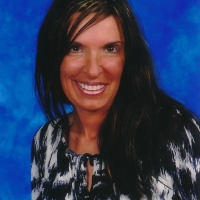
Ohio · 25 yrs exp
Stress, Anxiety · LGBT · Relationship · Self esteem · +16 more
Read profile
Alabama · 22 yrs exp
Stress, Anxiety · Trauma and abuse · Anger · Self esteem · +16 more
Read profile
Texas · 13 yrs exp
Stress, Anxiety · Relationship · Trauma and abuse · Anger · +11 more
Read profile
Florida · 20 yrs exp
Stress, Anxiety · Addictions · Relationship · Self esteem · +16 more
Read profile
Oregon · 26 yrs exp
Stress, Anxiety · Trauma and abuse · Grief · Depression · +10 more
Read profile
Minnesota · 29 yrs exp
Stress, Anxiety · Relationship · Anger · Self esteem · +11 more
Read profile
Louisiana · 7 yrs exp
Stress, Anxiety · Family · Trauma and abuse · Parenting · +15 more
Read profile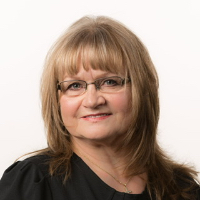
Texas · 15 yrs exp
Addictions · Relationship · Trauma and abuse · Grief · +13 more
Read profile
Texas · 21 yrs exp
Stress, Anxiety · Relationship · Family · Depression · +13 more
Read profile
Michigan · 5 yrs exp
Stress, Anxiety · Relationship · Family · Self esteem · +12 more
Read profile
North Carolina · 10 yrs exp
Stress, Anxiety · Relationship · Family · Bipolar · +16 more
Read profile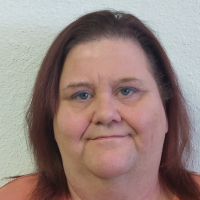
Texas · 9 yrs exp
Stress, Anxiety · Trauma and abuse · Grief · Depression · +12 more
Read profile
Ohio · 18 yrs exp
Stress, Anxiety · Trauma and abuse · Grief · Anger · +11 more
Read profile
Illinois · 10 yrs exp
Stress, Anxiety · LGBT · Relationship · Trauma and abuse · +10 more
Read profile
Texas · 13 yrs exp
Stress, Anxiety · LGBT · Relationship · Trauma and abuse · +12 more
Read profile
Florida · 35 yrs exp
Stress, Anxiety · Family · Trauma and abuse · Grief · +11 more
Read profile
New York · 25 yrs exp
Stress, Anxiety · Trauma and abuse · Self esteem · Depression · +7 more
Read profile
Nevada · 10 yrs exp
Stress, Anxiety · Grief · Self esteem · Depression · +7 more
Read profile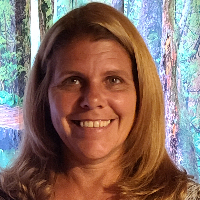
South Carolina · 10 yrs exp
Stress, Anxiety · Relationship · Family · Trauma and abuse · +1 more
Read profile
Colorado · 11 yrs exp
Stress, Anxiety · LGBT · Trauma and abuse · Anger · +15 more
Read profile
Michigan · 21 yrs exp
Stress, Anxiety · Relationship · Family · Bipolar · +14 more
Read profile
Texas · 22 yrs exp
Stress, Anxiety · Relationship · Trauma and abuse · Depression · +16 more
Read profilePhobias are intense, often persistent fears of specific objects, situations, or activities that lead people to avoid those triggers. For some people a fear of flying, heights, insects, or crowded places may be a mild nuisance; for others the same fears can shape daily routines, work choices, and social life. Phobias are more than simple worry - they tend to involve a heightened physiological reaction when you face the feared situation and a strong urge to escape or avoid. Over time avoidance can narrow your life, reinforce the fear, and make it harder to cope without help.
Phobias can develop after a distressing experience, through learned responses, or for reasons that are not always clear. You may notice your reactions feel out of proportion to the actual danger, or that your anxiety interferes with relationships and responsibilities. Because phobias often involve specific triggers, they can be easier to identify than more generalized forms of anxiety, but that specificity does not make them less disruptive. Understanding how a phobia operates in your daily life is the first step toward finding effective support and rebuilding confidence.
When a fear leads you to change routines, avoid places or people, or miss out on meaningful experiences, therapy can help. If you find yourself rearranging vacations, quitting jobs, or declining social invitations because of a particular fear, those are practical signals that treatment could improve your quality of life. You may also notice a pattern of anticipatory anxiety - dread or rumination in the hours or days before facing the feared situation - that wears you down mentally and physically. Frequent worry, sleeplessness, or intense bodily symptoms such as racing heart, sweating, or shortness of breath during encounters with the fear are also common indicators that you may benefit from professional support.
Another sign is when you try to manage the fear on your own but feel stuck. You might use avoidance strategies that bring short-term relief but increase distress in the long run. If self-help techniques, books, or tips have not produced the change you want, structured therapy can offer tailored strategies and guided practice that target the mechanisms maintaining the phobia. Therapy is also useful when fear contributes to strain in relationships, work performance, or your sense of agency. Seeking help is a practical step toward reclaiming activities and roles that the phobia has disrupted.
Therapy for phobias typically begins with assessment and collaborative goal setting. Your therapist will ask about the history of the fear, situations where it is triggered, and how you currently cope. This information helps shape an individualized plan. Early sessions often focus on education about how fear responses work and on building a working relationship so you feel comfortable discussing experiences and progress. A therapist will work with you at a pace that respects your tolerance while encouraging gradual steps toward confronting the fear.
As treatment progresses you can expect guided practice and homework between sessions. Many approaches emphasize exposure to feared stimuli in a controlled way so you can learn that anxiety reduces over time without avoidance. Your therapist will teach coping skills to manage distress during exposures, such as breathing techniques, grounding methods, and cognitive strategies to challenge unhelpful thoughts. Sessions are active and skills-focused rather than just talking through feelings. Over weeks to months you may notice less avoidance, greater flexibility in daily life, and increased confidence when facing the previously feared situations.
Exposure-based methods are a cornerstone of effective phobia treatment. These approaches help you face feared situations gradually and repeatedly so the anxiety response diminishes. Exposure can be imaginal, in vivo, or conducted with simulated elements when direct contact is impractical. Cognitive-behavioral techniques often accompany exposure and focus on identifying and revising the beliefs that keep fear alive. By testing predictions about danger and practicing new behaviors you learn that feared outcomes are unlikely or manageable.
Acceptance and commitment approaches can also be useful for phobias by helping you clarify values and move toward meaningful actions despite discomfort. These methods emphasize willingness to experience anxiety while taking steps aligned with what matters to you. Some therapists incorporate relaxation and breathing strategies to reduce physiological arousal during exposures. In specific situations technology-assisted methods, such as controlled virtual exposure, may be an option to recreate triggers in a manageable format. Therapists sometimes work in collaboration with medical providers when additional interventions are being considered, so treatment can be coordinated to fit your overall needs.
Online therapy expands access to clinicians who specialize in phobias and can be especially convenient if travel or scheduling has been a barrier. Sessions typically take place through video or phone calls that allow for face-to-face interaction from your home or another comfortable setting. Many of the same techniques used in in-person care - assessment, cognitive strategies, and guided exposure planning - translate well to remote formats. In some cases your therapist can guide real-time exposures via video while you are in the triggering environment, which can speed progress and make practice more relevant to daily life.
When choosing online care, consider whether the therapist offers structured protocols for exposure and whether they provide between-session assignments and progress tracking. Online work often requires clear communication about technology, scheduling, and how in-the-moment exposures will be arranged. A good therapist will explain how they adjust interventions for remote delivery and how you can practice safely at home. Accessibility and reduced travel time can make consistent practice easier, which is important because repeated, planned exposure is central to improvement.
Look for clinicians who list phobia treatment or exposure-based work among their specialties. Read profiles to learn about their training, typical approaches, and the types of fears they commonly treat. When you contact a therapist, ask about their experience with the specific situation that troubles you - whether it is animals, heights, public speaking, or medical settings - and how they structure exposure work. Ask what a typical treatment timeline might look like and how success is measured. You should feel that the therapist listens to your goals and provides a clear plan you can understand.
Consider practical factors such as appointment availability, session length, and whether they offer flexible formats like video or phone therapy. Trust your instincts about rapport - a therapist who creates a respectful, patient-centered environment will help you take manageable risks. If you are working with other health professionals, ask how the therapist coordinates care. Finally, give the relationship time to develop while monitoring whether you see gradual progress in how you approach feared situations. Thoughtful selection increases the chances that therapy will be a productive step toward reclaiming activities and easing the hold fear has on your life.
Phobias are treatable, and many people find that consistent, focused work reduces avoidance and restores freedom to live according to their priorities. Whether you choose in-person sessions or online appointments, the key elements are a clear plan, gradual practice, and a therapist who supports your pace. Start by reviewing profiles below, reach out with questions about approach and experience, and select a clinician who aligns with your goals. With commitment and guided practice you can lessen the power of a phobia and expand the choices available to you.
Alabama
365 therapists
Alaska
41 therapists
Arizona
339 therapists
Arkansas
182 therapists
Australia
646 therapists
California
2695 therapists
Colorado
547 therapists
Connecticut
228 therapists
Delaware
72 therapists
District of Columbia
72 therapists
Florida
2486 therapists
Georgia
936 therapists
Hawaii
98 therapists
Idaho
145 therapists
Illinois
844 therapists
Indiana
428 therapists
Iowa
109 therapists
Kansas
172 therapists
Kentucky
304 therapists
Louisiana
478 therapists
Maine
108 therapists
Maryland
435 therapists
Massachusetts
330 therapists
Michigan
852 therapists
Minnesota
316 therapists
Mississippi
244 therapists
Missouri
580 therapists
Montana
134 therapists
Nebraska
128 therapists
Nevada
144 therapists
New Hampshire
68 therapists
New Jersey
583 therapists
New Mexico
135 therapists
New York
1364 therapists
North Carolina
987 therapists
North Dakota
28 therapists
Ohio
599 therapists
Oklahoma
391 therapists
Oregon
193 therapists
Pennsylvania
829 therapists
Rhode Island
52 therapists
South Carolina
439 therapists
South Dakota
48 therapists
Tennessee
412 therapists
Texas
2557 therapists
United Kingdom
4380 therapists
Utah
231 therapists
Vermont
50 therapists
Virginia
530 therapists
Washington
349 therapists
West Virginia
76 therapists
Wisconsin
390 therapists
Wyoming
70 therapists