
Anne Douglas
LMFT· Accepting clientsNorth Carolina · 25 yrs exp
Stress, Anxiety · Relationship · Family · Grief · +15 more
Read profileThe therapy listings are provided by BetterHelp and we will earn a commission if you use our link - at no cost to you.
On this page you'll find licensed clinicians who list sexuality as a specialty, including providers who work with desire, identity, intimacy, and sexual concerns. Browse the listings below to compare profiles, approaches, and availability to find a therapist who feels like a good fit.
North Carolina · 25 yrs exp
Stress, Anxiety · Relationship · Family · Grief · +15 more
Read profile
Texas · 30 yrs exp
Stress, Anxiety · Addictions · Anger · Self esteem · +13 more
Read profile
Texas · 20 yrs exp
Stress, Anxiety · LGBT · Relationship · Self esteem · +16 more
Read profile
Michigan · 25 yrs exp
Stress, Anxiety · LGBT · Relationship · Grief · +10 more
Read profile
Colorado · 19 yrs exp
Stress, Anxiety · Relationship · Trauma and abuse · Grief · +12 more
Read profile
Alabama · 22 yrs exp
Stress, Anxiety · Trauma and abuse · Anger · Self esteem · +16 more
Read profile
Florida · 20 yrs exp
Stress, Anxiety · Addictions · Relationship · Self esteem · +16 more
Read profile
Kentucky · 18 yrs exp
LGBT · Relationship · Family · Self esteem · +14 more
Read profile
North Carolina · 28 yrs exp
Stress, Anxiety · Addictions · LGBT · Depression · +12 more
Read profile
Florida · 25 yrs exp
Relationship · Trauma and abuse · Grief · Anger · +12 more
Read profile
Ohio · 12 yrs exp
Stress, Anxiety · Relationship · Family · Trauma and abuse · +9 more
Read profile
Pennsylvania · 27 yrs exp
Stress, Anxiety · Relationship · Parenting · Self esteem · +14 more
Read profile
Florida · 25 yrs exp
Stress, Anxiety · Family · Grief · Self esteem · +12 more
Read profile
Pennsylvania · 12 yrs exp
Stress, Anxiety · Relationship · Self esteem · Depression · +11 more
Read profile
Illinois · 17 yrs exp
Stress, Anxiety · Family · Trauma and abuse · Parenting · +11 more
Read profile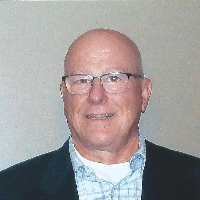
Illinois · 20 yrs exp
Stress, Anxiety · LGBT · Anger · Self esteem · +12 more
Read profile
North Carolina · 10 yrs exp
Stress, Anxiety · Relationship · Family · Bipolar · +16 more
Read profile
Florida · 15 yrs exp
Relationship · Family · Intimacy-related issues · Coaching · +4 more
Read profile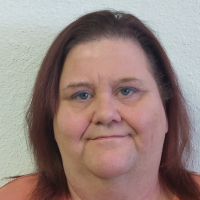
Texas · 9 yrs exp
Stress, Anxiety · Trauma and abuse · Grief · Depression · +12 more
Read profile
Texas · 10 yrs exp
Stress, Anxiety · Relationship · Family · Depression · +14 more
Read profile
Nebraska · 23 yrs exp
Stress, Anxiety · Family · Trauma and abuse · Grief · +8 more
Read profile
Florida · 26 yrs exp
Stress, Anxiety · Relationship · Anger · Depression · +13 more
Read profile
California · 20 yrs exp
Stress, Anxiety · Relationship · Intimacy-related issues · Career · +14 more
Read profile
Illinois · 10 yrs exp
Stress, Anxiety · LGBT · Relationship · Trauma and abuse · +10 more
Read profileSexuality is a broad and personal part of human life that touches identity, relationships, emotional well-being, and physical expression. It includes sexual orientation, gender expression, erotic interests, sexual function, and the ways you connect with partners. For many people, sexuality is woven into how they feel about themselves and how they relate to others. When those elements become confusing, painful, or limiting, they can affect mood, confidence, and the quality of relationships.
Everyone's experience is unique. You might feel at odds with societal expectations, struggle with mismatches in desire in a partnership, experience distress about sexual function, or be exploring questions about identity. These concerns can be short lived or persistent, and they may surface at any stage of life. Therapy that focuses on sexuality aims to give you language, strategies, and a perspective that helps you move toward more satisfying outcomes. The goal is not to pathologize normal variation but to help you make choices that align with your values and well-being.
You may consider a sexuality-focused therapist if you notice ongoing distress related to sexual feelings, behaviors, or relationships that affects your day-to-day life. This can include persistent worry about performance, a drop in desire that creates conflict with a partner, anxiety about sexual orientation or gender identity, or compulsive sexual behaviors that feel out of control. It can also be helpful when past trauma is influencing your current sexual experience or when sexual problems are intertwined with mental health symptoms like anxiety or depression.
If conversations about sex create repeated conflict, if intimacy feels elusive, or if you avoid dating and relationships because of sexual concerns, therapy can provide a structured place to explore what is happening and test new ways of relating. You do not need to wait until a crisis to ask for help. Many people find that early conversations with a clinician can prevent issues from growing and help them build skills for more fulfilling sexual and relational lives.
When you begin therapy that centers on sexuality, the early sessions typically emphasize understanding your goals and creating a collaborative plan. Your therapist will take a history that covers relationships, sexual development, current patterns, and any medical or mental health factors that could be relevant. You will work together to set priorities - whether it is restoring desire, improving communication with a partner, exploring identity, or reducing anxiety related to sexual activity.
Therapy sessions often combine talk-based exploration with practical exercises you can try between appointments. You may be guided to practice communication skills, experiment with intimacy-building activities, or use mindfulness to manage arousal and anxiety. Progress is usually gradual; therapists help you track small changes so that you can see steady improvement. Ethical clinicians will respect your boundaries and pace while encouraging honest self-reflection and curiosity about what might be getting in the way of the changes you want.
Early goals typically focus on reducing distress and clarifying values. Your therapist will help you identify realistic steps and may suggest behavioral experiments to learn how new approaches work in real life. The pacing is individualized - some people move quickly through practical exercises, while others spend more time processing emotions or past experiences that influence current sexual patterns.
If you are in a relationship, you may choose individual therapy or couples work. When both partners participate, sessions often include guided conversations to improve communication, renegotiate expectations, and develop shared strategies for increasing intimacy. A therapist trained in sexuality will balance the needs of each person while guiding the couple toward mutually acceptable solutions.
Therapists draw on several evidence-informed approaches when addressing sexual concerns. Cognitive behavioral techniques help you identify and shift unhelpful thoughts and behaviors that maintain anxiety or avoidance. This may include challenging catastrophic thinking about performance or developing more realistic expectations about desire fluctuations. Mindfulness-based strategies can help you stay present during intimate moments and reduce anxiety-driven distraction.
Emotion-focused therapies pay attention to attachment patterns and how emotional needs shape sexual connection. These approaches can be especially useful when unresolved attachment wounds affect your ability to trust or to relax in intimate situations. For trauma-related sexual difficulties, trauma-informed care that balances safety, stabilization, and gradual processing is commonly used. Sex-positive and affirmative frameworks are also central to many practitioners - these prioritize respect for diverse sexual identities, consensual expression, and nonjudgmental exploration of desires.
Therapists with specialized training in sexual health may also incorporate psychoeducation about anatomy, arousal cycles, and the physiological impacts of stress and medication. In all cases, the aim is to tailor interventions to your specific situation and cultural context so that therapy feels relevant and respectful of your values.
Online therapy has become a common option for people seeking specialty care in sexuality. It offers greater access to clinicians who have specific training or a particular orientation that might not be available locally. You can search profiles, read clinician statements about approach and experience, and select a therapist whose goals align with yours. Many providers offer video sessions that allow for face-to-face conversation, while some use phone or messaging for follow-up and homework support.
When you choose online therapy for sexual concerns, consider practical matters like whether your therapist offers in-person appointments if needed, how they handle emergencies, and what technology platforms they use for sessions. Your therapist should explain how they protect your personal information and how record keeping works. Online work can be especially helpful for people in rural areas, those with mobility limitations, or anyone who prefers the convenience of meeting from home. It is also important to consider whether certain interventions - such as hands-on exercises or medical assessments - might require in-person care or referrals to other professionals.
Finding the right therapist is a personal process. Start by clarifying your goals - are you seeking help with desire, function, identity exploration, recovery from trauma, or relationship patterns? Look for clinicians who list experience with your specific concern and who describe an approach that resonates with you. Read bios carefully to understand training, specializations, and whether they indicate a sex-positive or affirming stance. Pay attention to language that demonstrates respect for diverse identities and consensual expression.
When you contact a therapist, ask how they typically work with issues like yours and what an initial plan might look like. It is reasonable to inquire about their experience with couples work if you plan to involve a partner, or about trauma-informed approaches if that is relevant. Trust your instincts about fit - if you do not feel heard or understood after a couple of sessions, it is appropriate to look for someone else. A good therapeutic relationship is a major predictor of progress.
Consider logistical factors such as availability, location if in-person sessions are desired, fees, and insurance acceptance. Check whether the therapist offers weekend or evening appointments if that matters to your schedule. Many clinicians provide a brief consultation call so you can get a sense of rapport before committing to ongoing sessions. Use that opportunity to ask about confidentiality practices, session length, and how they measure progress so you know what to expect.
Ultimately, seeking help for sexuality is a sign of self-awareness and a willingness to invest in your well-being. With thoughtful selection and collaborative work, you can find a clinician who helps you navigate complex feelings, improve relationships, and make choices that reflect your values. Take your time, explore profiles below, and reach out when you're ready to begin.
Alabama
365 therapists
Alaska
41 therapists
Arizona
339 therapists
Arkansas
182 therapists
Australia
646 therapists
California
2695 therapists
Colorado
547 therapists
Connecticut
228 therapists
Delaware
72 therapists
District of Columbia
72 therapists
Florida
2486 therapists
Georgia
936 therapists
Hawaii
98 therapists
Idaho
145 therapists
Illinois
844 therapists
Indiana
428 therapists
Iowa
109 therapists
Kansas
172 therapists
Kentucky
304 therapists
Louisiana
478 therapists
Maine
108 therapists
Maryland
435 therapists
Massachusetts
330 therapists
Michigan
852 therapists
Minnesota
316 therapists
Mississippi
244 therapists
Missouri
580 therapists
Montana
134 therapists
Nebraska
128 therapists
Nevada
144 therapists
New Hampshire
68 therapists
New Jersey
583 therapists
New Mexico
135 therapists
New York
1364 therapists
North Carolina
987 therapists
North Dakota
28 therapists
Ohio
599 therapists
Oklahoma
391 therapists
Oregon
193 therapists
Pennsylvania
829 therapists
Rhode Island
52 therapists
South Carolina
439 therapists
South Dakota
48 therapists
Tennessee
412 therapists
Texas
2557 therapists
United Kingdom
4380 therapists
Utah
231 therapists
Vermont
50 therapists
Virginia
530 therapists
Washington
349 therapists
West Virginia
76 therapists
Wisconsin
390 therapists
Wyoming
70 therapists