
Velma Jones
LCSW· Accepting clientsNew York · 29 yrs exp
Stress, Anxiety · Relationship · Trauma and abuse · Depression · +10 more
Read profileThe therapy listings are provided by BetterHelp and we will earn a commission if you use our link - at no cost to you.
This page highlights therapists who identify as people of color and who bring culturally informed perspectives to mental health care. Explore the profiles below to find clinicians whose background, language, or therapeutic style aligns with your needs.
New York · 29 yrs exp
Stress, Anxiety · Relationship · Trauma and abuse · Depression · +10 more
Read profile
Georgia · 20 yrs exp
Stress, Anxiety · Addictions · Relationship · Self esteem · +12 more
Read profile
Florida · 16 yrs exp
Stress, Anxiety · Relationship · Trauma and abuse · Depression · +6 more
Read profile
Colorado · 19 yrs exp
Stress, Anxiety · Relationship · Trauma and abuse · Grief · +12 more
Read profile
Alabama · 22 yrs exp
Stress, Anxiety · Trauma and abuse · Anger · Self esteem · +16 more
Read profile
Texas · 13 yrs exp
Stress, Anxiety · Relationship · Trauma and abuse · Anger · +11 more
Read profile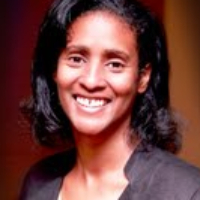
Georgia · 30 yrs exp
Stress, Anxiety · Grief · Depression · Coping with life changes · +3 more
Read profile
Mississippi · 16 yrs exp
Stress, Anxiety · Relationship · Family · Parenting · +6 more
Read profile
North Carolina · 12 yrs exp
Relationship · Family · Parenting · Self esteem · +7 more
Read profile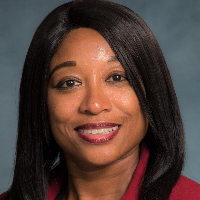
Georgia · 8 yrs exp
Stress, Anxiety · Relationship · Family · Grief · +11 more
Read profile
New Jersey · 5 yrs exp
Stress, Anxiety · Relationship · Family · Anger · +12 more
Read profile
Tennessee · 15 yrs exp
Stress, Anxiety · Family · Self esteem · Depression · +4 more
Read profile
Texas · 21 yrs exp
Stress, Anxiety · Relationship · Family · Depression · +13 more
Read profile
Maryland · 10 yrs exp
Stress, Anxiety · Relationship · Family · Intimacy-related issues · +12 more
Read profile
Georgia · 15 yrs exp
Stress, Anxiety · Relationship · Family · Trauma and abuse · +12 more
Read profile
New York · 25 yrs exp
Stress, Anxiety · Addictions · Trauma and abuse · Self esteem · +11 more
Read profile
Texas · 6 yrs exp
Stress, Anxiety · Relationship · Trauma and abuse · Depression · +4 more
Read profile
Florida · 8 yrs exp
Stress, Anxiety · Relationship · Family · Self esteem · +12 more
Read profile
New York · 35 yrs exp
Stress, Anxiety · Self esteem · Career · ADHD · +10 more
Read profile
Louisiana · 10 yrs exp
Stress, Anxiety · Relationship · Family · Depression · +12 more
Read profile
Texas · 10 yrs exp
Stress, Anxiety · Relationship · Family · Depression · +14 more
Read profile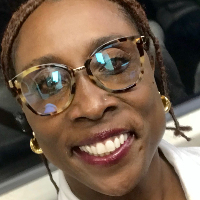
Florida · 26 yrs exp
Stress, Anxiety · Relationship · Anger · Depression · +13 more
Read profile
California · 20 yrs exp
Stress, Anxiety · Relationship · Intimacy-related issues · Career · +14 more
Read profile
Ohio · 18 yrs exp
Stress, Anxiety · Trauma and abuse · Grief · Anger · +11 more
Read profileThe term therapist of color typically refers to mental health clinicians who identify as Black, Indigenous, Latinx, Asian, Middle Eastern, multiracial, or from other racial and ethnic groups that have historically been marginalized. When you meet with a therapist of color, you are often engaging with someone who brings lived experience and cultural context to the work. That does not mean every therapist of color will share your exact background, but many can relate to how race, immigration history, language, cultural values, and societal bias shape daily life and mental health.
Choosing a therapist of color can be about more than representation. It can be about feeling seen when you discuss microaggressions, navigating cultural expectations around family and mental health, or exploring how identity intersects with sexuality, religion, or socioeconomic status. Therapists of color often integrate cultural knowledge into assessment and treatment, which can help you feel validated and better understood from the start.
You might consider a therapist of color if cultural identity is a prominent part of what you bring to therapy. This can look like ongoing stress related to discrimination, questions about bicultural identity, conflicts with family members over differing cultural values, or the emotional labor of code-switching at work or school. You may also want a clinician who understands language nuances or cultural healing practices that matter to you.
In addition, if you have tried therapy previously and felt misunderstood, dismissed, or that your clinician did not grasp how culture shapes your experience, a therapist of color may offer a different therapeutic frame. You might also seek a therapist of color if you are navigating trauma tied to racial violence, migration, or systemic barriers and want a clinician who is familiar with those particular histories and responses.
In your first sessions with a therapist of color, you can expect time spent on understanding the context of your concerns. That usually includes questions about family background, cultural traditions, language, and experiences of bias or exclusion. Your therapist may ask about your coping strategies and how cultural values shape choices you make in relationships, work, and self-care. This contextual approach helps tailor goals so therapy addresses what matters most to you.
Therapy in this specialty often emphasizes validation of your experiences. You may feel invited to tell stories about identity that you have never shared before, and the clinician may help name systemic influences on emotions and behavior. Sessions can range from supportive listening to skills-based work - such as stress management, communication practice, or grounding techniques - all adapted to fit your cultural lens. Many clients appreciate that cultural topics are not treated as an add-on but as central to understanding patterns and progress.
Therapists of color draw on a variety of therapeutic models, often blending evidence-based approaches with cultural responsiveness. Cognitive behavioral approaches remain common and are frequently adapted to incorporate culturally specific examples and values-driven goals. For people dealing with trauma, trauma-informed therapies and eye movement desensitization and reprocessing may be used while acknowledging collective and historical trauma.
Narrative and relational therapies can be particularly helpful when you want to explore personal and family stories, migration histories, or intergenerational patterns. Some clinicians incorporate mindfulness, somatic techniques, or culturally rooted healing practices when they align with your beliefs. The key difference is that therapists of color often prioritize intersectionality - recognizing that race, gender, class, and other identities interact - and they will tailor methods so they feel relevant and respectful of your background.
Online therapy has expanded access to therapists of color beyond geographic limits, so you can seek clinicians whose identity or language matches your needs even if they are not local. Virtual sessions typically take place by video or phone, and many therapists also offer messaging between sessions. When you pursue online care, you can review profiles, read about clinicians' cultural experience and areas of focus, and book an initial consultation to gauge rapport before committing to ongoing work.
To make the most of online therapy, think about the environment where you will meet. Choose a quiet, comfortable setting where you can speak openly and feel emotionally present. If language or cultural rituals matter to you, discuss them in your first session so your therapist can integrate them into the work. Online therapy also allows for creative adaptations - for example, using culturally relevant materials, music, or readings during sessions - that support engagement across distance.
When selecting a therapist of color, weigh several factors beyond visible identity. Read clinician profiles to learn about training, therapeutic approaches, and areas of expertise. Consider whether you want a therapist who shares your language, nationality, or migration experience, or whether you prioritize someone with specific clinical experience - such as working with trauma, queer identity, or family dynamics. A strong match often involves both cultural attunement and clinical competency in the issues you face.
Trust your instincts during initial contacts. A brief consultation can reveal how a therapist frames cultural topics, whether they ask respectful questions, and how they explain their approach. You can ask about how they incorporate culture into treatment, how they handle experiences of racial stress, and what outcomes they aim for. Practical considerations like session availability, fees, and whether they offer sliding-scale options also matter. If a clinician does not feel like the right fit, it is reasonable to continue searching until you find someone with whom you can build a trusting working relationship.
Choosing a therapist is a personal decision. Whether you seek support for navigating discrimination, exploring identity, treating trauma, or improving everyday functioning, a therapist of color can offer perspectives that resonate with your lived experience. Use the profiles below to compare backgrounds, approaches, and availability, and reach out to schedule a consult so you can assess fit and next steps for your care.
Alabama
365 therapists
Alaska
41 therapists
Arizona
339 therapists
Arkansas
182 therapists
Australia
646 therapists
California
2695 therapists
Colorado
547 therapists
Connecticut
228 therapists
Delaware
72 therapists
District of Columbia
72 therapists
Florida
2486 therapists
Georgia
936 therapists
Hawaii
98 therapists
Idaho
145 therapists
Illinois
844 therapists
Indiana
428 therapists
Iowa
109 therapists
Kansas
172 therapists
Kentucky
304 therapists
Louisiana
478 therapists
Maine
108 therapists
Maryland
435 therapists
Massachusetts
330 therapists
Michigan
852 therapists
Minnesota
316 therapists
Mississippi
244 therapists
Missouri
580 therapists
Montana
134 therapists
Nebraska
128 therapists
Nevada
144 therapists
New Hampshire
68 therapists
New Jersey
583 therapists
New Mexico
135 therapists
New York
1364 therapists
North Carolina
987 therapists
North Dakota
28 therapists
Ohio
599 therapists
Oklahoma
391 therapists
Oregon
193 therapists
Pennsylvania
829 therapists
Rhode Island
52 therapists
South Carolina
439 therapists
South Dakota
48 therapists
Tennessee
412 therapists
Texas
2557 therapists
United Kingdom
4380 therapists
Utah
231 therapists
Vermont
50 therapists
Virginia
530 therapists
Washington
349 therapists
West Virginia
76 therapists
Wisconsin
390 therapists
Wyoming
70 therapists