
Velma Jones
LCSW· Accepting clientsNew York · 29 yrs exp
Stress, Anxiety · Relationship · Trauma and abuse · Depression · +10 more
Read profileThe therapy listings are provided by BetterHelp and we will earn a commission if you use our link - at no cost to you.
Explore licensed clinicians who focus on women's issues, from reproductive and perinatal concerns to relationship and identity challenges. Browse therapist profiles below to compare approaches, availability, and areas of expertise, then reach out to request a consultation.
New York · 29 yrs exp
Stress, Anxiety · Relationship · Trauma and abuse · Depression · +10 more
Read profile
North Carolina · 25 yrs exp
Stress, Anxiety · Relationship · Family · Grief · +15 more
Read profile
Ohio · 25 yrs exp
Stress, Anxiety · LGBT · Relationship · Self esteem · +16 more
Read profile
Michigan · 25 yrs exp
Stress, Anxiety · LGBT · Relationship · Grief · +10 more
Read profile
Colorado · 19 yrs exp
Stress, Anxiety · Relationship · Trauma and abuse · Grief · +12 more
Read profile
Alabama · 22 yrs exp
Stress, Anxiety · Trauma and abuse · Anger · Self esteem · +16 more
Read profile
Texas · 13 yrs exp
Stress, Anxiety · Relationship · Trauma and abuse · Anger · +11 more
Read profile
Florida · 20 yrs exp
Stress, Anxiety · Addictions · Relationship · Self esteem · +16 more
Read profile
Missouri · 10 yrs exp
Stress, Anxiety · Addictions · Grief · Self esteem · +9 more
Read profile
Washington · 16 yrs exp
Stress, Anxiety · Addictions · LGBT · Bipolar · +12 more
Read profile
California · 16 yrs exp
Stress, Anxiety · Relationship · Family · Grief · +8 more
Read profile
Mississippi · 16 yrs exp
Stress, Anxiety · Relationship · Family · Parenting · +6 more
Read profile
Oregon · 26 yrs exp
Stress, Anxiety · Trauma and abuse · Grief · Depression · +10 more
Read profile
Colorado · 17 yrs exp
Relationship · Trauma and abuse · Parenting · Self esteem · +8 more
Read profile
Minnesota · 29 yrs exp
Stress, Anxiety · Relationship · Anger · Self esteem · +11 more
Read profile
Kentucky · 18 yrs exp
LGBT · Relationship · Family · Self esteem · +14 more
Read profile
Louisiana · 7 yrs exp
Stress, Anxiety · Family · Trauma and abuse · Parenting · +15 more
Read profile
North Carolina · 28 yrs exp
Stress, Anxiety · Addictions · LGBT · Depression · +12 more
Read profile
Florida · 25 yrs exp
Relationship · Trauma and abuse · Grief · Anger · +12 more
Read profile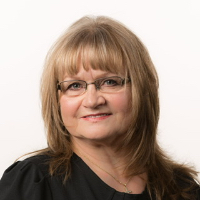
Texas · 15 yrs exp
Addictions · Relationship · Trauma and abuse · Grief · +13 more
Read profile
Texas · 21 yrs exp
Stress, Anxiety · Relationship · Family · Depression · +13 more
Read profile
Pennsylvania · 27 yrs exp
Stress, Anxiety · Relationship · Parenting · Self esteem · +14 more
Read profile
Maryland · 10 yrs exp
Stress, Anxiety · Relationship · Family · Intimacy-related issues · +12 more
Read profile
Georgia · 15 yrs exp
Stress, Anxiety · Relationship · Family · Trauma and abuse · +12 more
Read profileWomen's issues is a broad specialty that centers on concerns commonly experienced by people who identify as women, though many of the topics are relevant across gender identities. This area of practice includes reproductive health and fertility concerns, pregnancy and postpartum adjustment, menstrual-related mood changes, transitions such as perimenopause and menopause, experiences of gender-based violence, body image and sexual health, and the social pressures that influence personal and professional roles. Because these topics sit at the intersection of biology, relationships, culture, and identity, the emotional impact can be complex and persistent. You may find that certain life events - a new pregnancy, a difficult breakup, the onset of chronic symptoms, or caregiving responsibilities - bring long-standing issues to the surface or create new stress that affects your mood, energy, and relationships.
Therapy that focuses on women's issues recognizes this complexity. It works not only with symptoms but with the practical and social realities you navigate, such as workplace expectations, family dynamics, and cultural beliefs about gender and caregiving. When a clinician has experience in this specialty, they can more easily help you make sense of how these forces shape your choices and wellbeing, and collaborate on realistic plans that fit your life circumstances.
It can be hard to know when to reach out for professional support. You might consider therapy when emotional or physical challenges begin to interfere with daily functioning, relationships, or your sense of self. If you notice persistent anxiety or low mood that does not lift after several weeks, growing difficulty sleeping or concentrating, or repeated conflict in relationships tied to role expectations, these are signals that an evidence-based conversation with a clinician may help. You may also benefit from therapy if you experience intrusive memories or distress after an assault, if fertility or pregnancy loss is causing prolonged grief, or if menopause-related symptoms are affecting your quality of life and you need coping strategies.
Sometimes the need is less dramatic but still meaningful. You could be seeking a space to explore identity changes after a major life transition, to build skills for boundary-setting in caregiving roles, or to address body-image concerns that affect intimacy. Therapy can also be valuable when you want to prepare for a life change - such as becoming a parent or retiring - with more resilience and clarity. Ultimately, if a pattern of emotional distress or relational strain makes you feel stuck or reduces the joy in your life, that is a practical reason to talk with a specialist.
Your first sessions will typically be an intake where the therapist asks about your history, current concerns, and goals for treatment. These conversations help the clinician build a treatment plan tailored to your priorities, whether that means short-term symptom relief, processing trauma, or working through developmental and relational themes over months. Sessions commonly last around 50 minutes and can be scheduled weekly at the start, then adjusted based on progress. You and your therapist will agree on how to measure progress and what a meaningful outcome looks like for you.
In therapy you can expect a mix of emotional processing and practical skill-building. Some sessions may be focused on understanding patterns from the past and how they influence present decisions. Other times you will practice concrete strategies for managing anxiety, regulating emotions, improving communication, or addressing sleep and self-care. If you are navigating medical systems - for example, fertility treatments or perinatal care - your therapist may help you prepare for appointments, manage medical stress, and advocate for yourself. Most clinicians also discuss routines for check-ins between sessions, resources for crisis situations, and how to handle missed appointments or scheduling needs.
Several therapeutic models are commonly used when addressing women's issues, each offering different tools and perspectives. Cognitive behavioral therapy emphasizes the connection between thoughts, feelings, and behaviors, and provides practical exercises to shift unhelpful patterns. Interpersonal therapy focuses on improving relationships and communication, which can be especially helpful when role transitions or partner dynamics are central to your distress. Trauma-informed approaches, including eye movement desensitization and reprocessing and somatic therapies, are used when past abuse or traumatic medical experiences are part of the picture. These methods prioritize emotional safety and grounding while processing difficult memories.
Other clinicians draw on psychodynamic ideas to explore how early relationships shape current behavior and identity, or on acceptance and commitment therapy to help you clarify values and live in ways that feel meaningful despite ongoing challenges. Mindfulness-based and stress reduction practices can support overall emotional regulation and pain management. Many therapists blend approaches to match your preferences and the specific problem you bring to therapy. When you review profiles, pay attention to described specialties and training so you can find an approach that aligns with how you like to work.
Online therapy can make it easier to access clinicians who specialize in women's issues, especially if you need flexible hours, have mobility constraints, or live in an area with limited local options. Sessions are typically held over video, with some clinicians offering phone calls or messaging for supplemental support. Technology requirements are simple - a device with a camera and internet connection - and the clinician will explain their platform, privacy policies, and what to expect if an urgent issue arises during a remote session. You should plan to be in a private space while attending sessions and to test your audio and camera beforehand to reduce interruptions.
When choosing a therapist for women's issues, consider practical credentials and personal fit. Look for licensure in your region and training or experience working with the particular concern you have, whether that is perinatal mood challenges, reproductive trauma, chronic illness, or aging-related transitions. Read clinician profiles to learn about their therapeutic approach, cultural competence, and any populations they prioritize, such as LGBTQ+ clients or women of color. Think about logistics - availability, session length, fees, and whether they accept your insurance or offer sliding scale rates - and use initial consultations to assess rapport. Trust your sense of being heard and understood; a strong working alliance is one of the best predictors of helpful therapy.
Finally, set realistic expectations about timing and outcomes. Healing and skill-building take time, and therapy is often most effective when you and your clinician collaborate on clear goals and checkpoints. If an approach does not feel right, it is reasonable to discuss adjustments or to look for a different clinician whose style fits your needs better. With thoughtful selection and clear communication, therapy can be an important resource as you navigate the unique challenges and transitions associated with women's issues.
Alabama
365 therapists
Alaska
41 therapists
Arizona
339 therapists
Arkansas
182 therapists
Australia
646 therapists
California
2695 therapists
Colorado
547 therapists
Connecticut
228 therapists
Delaware
72 therapists
District of Columbia
72 therapists
Florida
2486 therapists
Georgia
936 therapists
Hawaii
98 therapists
Idaho
145 therapists
Illinois
844 therapists
Indiana
428 therapists
Iowa
109 therapists
Kansas
172 therapists
Kentucky
304 therapists
Louisiana
478 therapists
Maine
108 therapists
Maryland
435 therapists
Massachusetts
330 therapists
Michigan
852 therapists
Minnesota
316 therapists
Mississippi
244 therapists
Missouri
580 therapists
Montana
134 therapists
Nebraska
128 therapists
Nevada
144 therapists
New Hampshire
68 therapists
New Jersey
583 therapists
New Mexico
135 therapists
New York
1364 therapists
North Carolina
987 therapists
North Dakota
28 therapists
Ohio
599 therapists
Oklahoma
391 therapists
Oregon
193 therapists
Pennsylvania
829 therapists
Rhode Island
52 therapists
South Carolina
439 therapists
South Dakota
48 therapists
Tennessee
412 therapists
Texas
2557 therapists
United Kingdom
4380 therapists
Utah
231 therapists
Vermont
50 therapists
Virginia
530 therapists
Washington
349 therapists
West Virginia
76 therapists
Wisconsin
390 therapists
Wyoming
70 therapists