
Anamika Saggar
BACP· Accepting clientsUnited Kingdom · 12 yrs exp
Stress, Anxiety · Relationship · Grief · Parenting · +7 more
Read profileThe therapy listings are provided by BetterHelp and we will earn a commission if you use our link - at no cost to you.
Therapy in your native language can make it easier to explain feelings, share stories, and feel understood. Browse the Punjabi-speaking therapists listed below to find a clinician who matches your needs and cultural background.
United Kingdom · 12 yrs exp
Stress, Anxiety · Relationship · Grief · Parenting · +7 more
Read profile
United Kingdom · 6 yrs exp
Stress, Anxiety · Relationship · Family · Trauma and abuse · +7 more
Read profile
United Kingdom · 13 yrs exp
Stress, Anxiety · Relationship · Family · Grief · +13 more
Read profile
United Kingdom · 22 yrs exp
Stress, Anxiety · Addictions · Relationship · Family · +14 more
Read profile
United Kingdom · 15 yrs exp
Stress, Anxiety · Addictions · Relationship · Trauma and abuse · +13 more
Read profile
United Kingdom · 27 yrs exp
Stress, Anxiety · Relationship · Eating · Self esteem · +16 more
Read profile
United Kingdom · 22 yrs exp
Stress, Anxiety · Relationship · Family · Grief · +16 more
Read profile
United Kingdom · 8 yrs exp
Stress, Anxiety · Relationship · Grief · Anger · +11 more
Read profile
United Kingdom · 14 yrs exp
Stress, Anxiety · Family · Grief · Self esteem · +9 more
Read profile
United Kingdom · 16 yrs exp
Stress, Anxiety · Self esteem · Coping with life changes · Coaching · +8 more
Read profile
United Kingdom · 4 yrs exp
Stress, Anxiety · Relationship · Family · Self esteem · +10 more
Read profile
United Kingdom · 5 yrs exp
Addictions · Trauma and abuse · Eating · Sleeping · +4 more
Read profile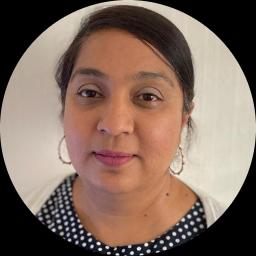
United Kingdom · 3 yrs exp
Relationship · Self esteem · Stress, Anxiety · Grief · +4 more
Read profile
United Kingdom · 19 yrs exp
Stress, Anxiety · Family · Trauma and abuse · Grief · +15 more
Read profile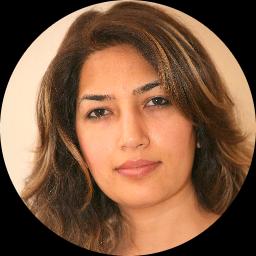
United Kingdom · 5 yrs exp
Stress, Anxiety · Trauma and abuse · Grief · Self esteem · +7 more
Read profile
United Kingdom · 37 yrs exp
Stress, Anxiety · Relationship · Family · Grief · +8 more
Read profile
United Kingdom · 15 yrs exp
Stress, Anxiety · Self esteem · Career · Depression · +7 more
Read profile
United Kingdom · 3 yrs exp
Stress, Anxiety · Addictions · LGBT · Trauma and abuse · +16 more
Read profile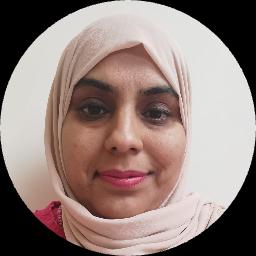
United Kingdom · 4 yrs exp
Stress, Anxiety · Relationship · Trauma and abuse · Self esteem · +1 more
Read profile
United Kingdom · 9 yrs exp
Stress, Anxiety · Relationship · Family · Trauma and abuse · +16 more
Read profile
United Kingdom · 6 yrs exp
Stress, Anxiety · Relationship · Grief · Depression · +16 more
Read profile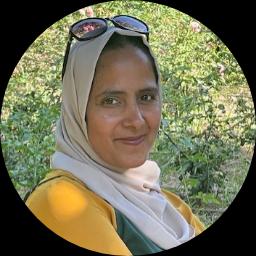
United Kingdom · 4 yrs exp
Stress, Anxiety · Relationship · Family · Grief · +1 more
Read profile
United Kingdom · 12 yrs exp
Stress, Anxiety · Family · Parenting · Career · +7 more
Read profile
United Kingdom · 3 yrs exp
Relationship · Family · Grief · Self esteem · +1 more
Read profileWhen you speak in the language you grew up with, communication feels natural and less effortful. That ease of expression matters in therapy because much of therapeutic work relies on nuance - the subtle tone, idioms, and culturally shaped meanings that carry emotional weight. Speaking Punjabi with a therapist can help you describe experiences in familiar phrases and metaphors, which often reveals layers of feeling that can be lost in translation. You are more likely to access memories, humor, and sorrow in ways that feel authentic when you do not have to mentally switch languages.
Beyond words, shared language often signals shared cultural understanding. A Punjabi-speaking therapist may be more familiar with family customs, values, rites of passage, and community expectations that shape your life. That context allows a therapist to interpret concerns in culturally relevant ways and to suggest strategies that fit your daily reality. For many people, this leads to a stronger therapeutic bond and a greater sense that the clinician truly understands who you are.
Language barriers can create distance at several levels. On a practical level, meaning can be lost when complex feelings are translated into a language you use less often. Emotional intensity can feel muted or distorted when you must choose words in a second language. On a relational level, a therapist who does not share your language may rely on generic statements or standardized phrases that feel distant or clinical. This can make you feel less seen and slow progress.
Misunderstandings that stem from language differences may also affect diagnosis, treatment planning, and the choice of therapeutic tools. Subtle cultural expressions - such as ways of showing respect, discussing family roles, or talking about mental health - might be misread. That may lead to recommendations that feel irrelevant or unrealistic. Working with a Punjabi-speaking therapist reduces these risks because you and your clinician can negotiate meaning together, check interpretations, and build a shared vocabulary for what matters to you.
Some emotions are tightly linked to cultural concepts that are difficult to render in another language. You may find that words in Punjabi capture complex family dynamics or spiritual feelings that English cannot fully convey. Therapists who understand those terms and the cultural stories behind them can help you use one language to anchor healing while translating insights into practical steps for everyday life.
Online therapy offers a conversational experience similar to in-person sessions but with some important differences. You can expect a therapeutic structure that begins with an intake conversation, assessment of your goals, and agreement on how often to meet. Sessions will typically include space to tell your story in Punjabi, collaborative exploration of patterns, and practical strategies that fit your cultural context. A Punjabi-speaking clinician can weave cultural references into therapy in a way that feels respectful and relevant to you.
Technology adds flexibility - you can meet from home, from your car during a break, or from a trusted community location. Online sessions can also open doors to therapists who live in other cities or regions, giving you access to clinicians with specific cultural expertise or training. Before you start, it helps to check the therapist's approach - whether they focus on cognitive-behavioral techniques, psychodynamic exploration, family systems, or other modalities - and discuss how they integrate Punjabi language and cultural understanding into their work.
Many Punjabi speakers worry about stigma and family reactions when considering therapy. Mental health topics can be sensitive in families that emphasize resilience, collective reputation, and traditional problem-solving. You may fear judgment or misunderstanding from relatives if they learn you are seeing a therapist. These concerns are valid and can be explored gently in therapy itself, where you can plan how and when to involve family or keep treatment details in your control.
Another frequent challenge is finding providers who both speak Punjabi and have relevant clinical experience. You may encounter clinicians who speak the language but lack familiarity with culturally specific issues, or therapists who are culturally aligned but do not use Punjabi fluently. It is reasonable to ask prospective therapists about their cultural background, experience working with Punjabi-speaking clients, and examples of how they have adapted therapy for similar cultural contexts. Transparency in that conversation helps you decide if the fit feels right.
Language dialects and regional variations can also matter to you. Punjabi as spoken across regions can include differences in vocabulary and idiom. If those differences are important, mention them during your initial conversation so your therapist can be aware of nuances that affect understanding and rapport.
Online therapy widens your options by connecting you with therapists beyond your immediate area. If you live in a community with few Punjabi-speaking clinicians, teletherapy lets you find someone who speaks your language and understands your culture without relocating. That broader access increases the likelihood of finding a clinician whose approach and specialties match your needs.
Flexibility is another asset. Online sessions can be scheduled around work, school, or family obligations, which lowers the barrier to consistent attendance. For people balancing eldercare, childcare, or shift work, being able to join from a convenient location can make it easier to prioritize mental health. Remote therapy can also feel less intimidating for a first visit - you can sit in a familiar environment while talking about difficult topics.
Finally, online therapy can facilitate continuity of care if you move or travel. Maintaining a relationship with a therapist who speaks Punjabi helps preserve therapeutic momentum and keeps conversations anchored in your language and cultural frame of reference.
Start by clarifying your goals - whether you need support for anxiety, depression, family conflict, grief, relationship issues, or life transitions - and look for clinicians who list those strengths. During initial contacts, ask how they integrate Punjabi language and cultural context into sessions and whether they have experience with concerns similar to yours. It is appropriate to discuss practical matters such as session length, fees, and their approach to remote work so you can make an informed decision.
Trust your response to the therapist's communication style. You should feel heard and respected from the first interactions. If cultural references are important to you, notice whether the therapist engages with them thoughtfully rather than assuming one-size-fits-all solutions. Consider scheduling a brief consultation to get a sense of rapport and to see if the therapist's pace, tone, and methods fit your preferences.
Remember that fit can evolve. If a therapist seems well-qualified but the chemistry does not feel right, it is fair to try a few sessions and then reassess. You can also discuss referral options with that therapist - a clinician who recognizes a mismatch may help you find another Punjabi-speaking professional whose style aligns better with your needs. The goal is to find a therapeutic relationship where you can speak freely, explore what matters, and take steps toward the changes you want to make.
Searching for a Punjabi-speaking therapist is a meaningful step toward getting support in a language that matters to you. Use the profiles on this page to compare specialties, availability, and approaches, and take time to connect with clinicians until you find someone who feels like the right match for your journey.