
Henry "Jay" Swedlaw
LPCC, LCMHC· Accepting clientsTexas · 20 yrs exp
Stress, Anxiety · LGBT · Relationship · Self esteem · +16 more
Read profileThe therapy listings are provided by BetterHelp and we will earn a commission if you use our link - at no cost to you.
This page highlights therapists who specialize in kink-affirming care for people involved in BDSM, fetish, and other consensual alternative practices. Browse the listings below to review clinician profiles, practice approaches, and availability.
Texas · 20 yrs exp
Stress, Anxiety · LGBT · Relationship · Self esteem · +16 more
Read profile
Colorado · 19 yrs exp
Stress, Anxiety · Relationship · Trauma and abuse · Grief · +12 more
Read profile
Alabama · 22 yrs exp
Stress, Anxiety · Trauma and abuse · Anger · Self esteem · +16 more
Read profile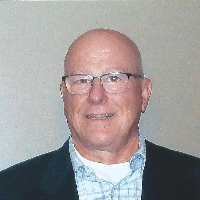
Illinois · 20 yrs exp
Stress, Anxiety · LGBT · Anger · Self esteem · +12 more
Read profile
North Carolina · 10 yrs exp
Stress, Anxiety · Relationship · Family · Bipolar · +16 more
Read profile
Florida · 15 yrs exp
Relationship · Family · Intimacy-related issues · Coaching · +4 more
Read profile
Illinois · 10 yrs exp
Stress, Anxiety · LGBT · Relationship · Trauma and abuse · +10 more
Read profile
Florida · 8 yrs exp
Stress, Anxiety · Addictions · Anger · Self esteem · +15 more
Read profile
Florida · 27 yrs exp
Stress, Anxiety · Relationship · Parenting · Self esteem · +14 more
Read profile
Georgia · 3 yrs exp
Stress, Anxiety · Relationship · Family · Intimacy-related issues · +6 more
Read profile
Florida · 10 yrs exp
Stress, Anxiety · Trauma and abuse · Grief · Depression · +12 more
Read profile
Georgia · 11 yrs exp
Relationship · Self esteem · Career · Coping with life changes · +12 more
Read profile
Illinois · 12 yrs exp
Trauma and abuse · Self esteem · Coping with life changes · Coaching · +8 more
Read profile
Kentucky · 18 yrs exp
Addictions · Relationship · Intimacy-related issues · Depression · +13 more
Read profile
Colorado · 13 yrs exp
Stress, Anxiety · LGBT · Relationship · Trauma and abuse · +10 more
Read profile
Massachusetts · 20 yrs exp
Stress, Anxiety · Self esteem · Career · Depression · +11 more
Read profile
North Carolina · 20 yrs exp
Stress, Anxiety · Addictions · LGBT · Relationship · +1 more
Read profile
Michigan · 22 yrs exp
Stress, Anxiety · Grief · Self esteem · Career · +13 more
Read profile
Indiana · 11 yrs exp
Stress, Anxiety · Addictions · Trauma and abuse · Parenting · +14 more
Read profile
Texas · 17 yrs exp
Stress, Anxiety · Addictions · Self esteem · Bipolar · +15 more
Read profile
Illinois · 9 yrs exp
Stress, Anxiety · LGBT · Grief · Self esteem · +9 more
Read profile
Kentucky · 15 yrs exp
Stress, Anxiety · Relationship · Parenting · Anger · +13 more
Read profile
Oklahoma · 9 yrs exp
Stress, Anxiety · Anger · Self esteem · Coping with life changes · +16 more
Read profile
Connecticut · 16 yrs exp
Stress, Anxiety · Addictions · Family · Anger · +14 more
Read profileKink covers a broad range of consensual sexual interests, practices, and relational dynamics that fall outside mainstream expectations. For many people, kink is an important part of identity, intimacy, and pleasure. It can shape how you relate to partners, how you express desire, and how you negotiate boundaries. Kink practices may include power exchange, role play, sensation play, bondage, disciplinary rituals, or fetish interests. Each person's experience is unique, and kink can be a source of joy, creativity, and connection as well as a domain that raises logistical or emotional questions.
Because kink often involves negotiated roles, rules, and high levels of communication, it can surface issues that are common in intimate life. These can include misaligned expectations, consent breakdowns, grief over lost connections, shame linked to societal stigma, or confusion about how kink intersects with other parts of identity. Recognizing this complexity helps you approach therapy with realistic goals and an appreciation for nuance. A therapist who is knowledgeable about kink can help you explore how these practices fit into your life without assuming they are a problem in themselves.
You might seek therapy related to kink for many reasons. If interactions around kink regularly lead to misunderstandings, conflict, or emotional pain, a therapist can help you develop clearer communication skills and repair trust. You may want support processing feelings of shame or fear about coming out to friends, family, or healthcare providers. Therapy can also be appropriate when past experiences - whether within kink contexts or outside them - result in distressing memories, flashbacks, or body-based responses that interfere with enjoyment or safety.
Other reasons to work with a therapist include wanting to set healthier boundaries, navigate consensual non-monogamy, manage anxiety related to kink scenes, or address substance use that complicates play. If you are exploring new practices and want help assessing risk, building negotiation habits, or creating aftercare plans, a therapist can offer guidance and help you develop practical skills. Therapy is also a place to build resilience if you face stigma or discrimination because of your interests.
Early sessions typically focus on establishing rapport and clarifying goals. A good therapist will ask about your experiences without judgment and will invite you to describe what feels important to you - what you enjoy, what concerns you, and what you would like to change. Expect an emphasis on consent, boundaries, and safety planning. You may spend time mapping the practicalities of play - such as limits, safewords, partner roles, and aftercare - alongside emotional meanings those practices hold for you.
Therapy can include skill-building around communication, negotiation, and emotional regulation. You might practice language for expressing desire and limits, rehearse conversations to propose new dynamics with partners, or develop routines to manage anxiety before or after scenes. If relational patterns are a focus, sessions may explore attachment styles, power dynamics, and how past relationships shape present choices. Some work may involve processing difficult memories or building tolerance for intense sensations. Throughout, the pace is guided by your goals and comfort level.
Several therapeutic frameworks are useful when addressing kink-related concerns. Cognitive-behavioral approaches help you identify thoughts and beliefs that contribute to distress and experiment with alternative responses, which can be helpful when shame or worry reduces your enjoyment. Acceptance-based therapies support you in making values-driven choices about how kink fits into your life while tolerating uncomfortable emotions without acting on them impulsively. Relationship-focused therapies help partners negotiate roles and repair ruptures that arise around play.
Trauma-informed care is often relevant, especially if you have a history of nonconsensual experiences. Trauma-informed therapists prioritize safety, pacing, and consent, and they collaborate with you to avoid retraumatizing interventions. Somatic methods can be helpful when sensations, arousal, or body memory are central concerns; these approaches help you notice bodily reactions and develop grounding strategies. Sex-positive therapy frames kink as a valid expression of sexuality and avoids pathologizing consensual interests while helping you address practical risks and interpersonal impacts.
Online therapy expands access to kink-affirming clinicians who may not be available locally. Video sessions allow you to meet with a therapist from your home or another comfortable environment, while phone or messaging options offer flexibility if in-person visits are not practical. Many therapists tailor online sessions to address negotiation planning, communication coaching, emotional processing, and safety strategies. You may use video calls for real-time role-playing or rehearsal, and messaging can be useful for between-session check-ins.
When working online, make a plan for privacy at your chosen location and discuss emergency protocols with your therapist before engaging in intensive work. Agree on boundaries around session length, technology use, and aftercare steps. If you plan to address body-based or sensorimotor issues, talk with the therapist about what can be ethically and safely addressed through a screen. Good practitioners will be transparent about their specialties, limits, and what they can provide remotely versus what might be better handled in person or through referrals.
Selecting a therapist begins with clarity about your needs. Consider whether you want individual work, couples therapy, or both, and whether you prefer a clinician with specific experience in BDSM, fetish, or related communities. Look for therapists who describe themselves as kink-affirming, sex-positive, or experienced with alternative relationship structures. Read profiles closely to learn about training, modalities, and how they approach consent and safety. If a profile is unclear, a brief consultation call can clarify fit.
Trust your instincts about cultural fit and communication style. You should feel heard and not judged when describing your interests. Ask potential therapists about their experience with negotiation and aftercare planning, how they handle duty-of-care situations, and how they support clients who face stigma. It is reasonable to inquire about licensure, training in sex therapy or trauma-informed care, and willingness to collaborate with other professionals when needed. If a therapist does not seem knowledgeable or affirming, it is appropriate to continue your search until you find someone who meets your needs.
Finding a therapist who understands kink can make a meaningful difference in how you integrate desire, safety, and relationships. Whether you are seeking support for practical skills, emotional healing, or deeper self-understanding, the right clinician can help you move toward more connected and enjoyable experiences. Use the listings above to review profiles, read about approaches, and reach out for consultations to find a good match for your goals.
Alabama
365 therapists
Alaska
41 therapists
Arizona
339 therapists
Arkansas
182 therapists
Australia
646 therapists
California
2695 therapists
Colorado
547 therapists
Connecticut
228 therapists
Delaware
72 therapists
District of Columbia
72 therapists
Florida
2486 therapists
Georgia
936 therapists
Hawaii
98 therapists
Idaho
145 therapists
Illinois
844 therapists
Indiana
428 therapists
Iowa
109 therapists
Kansas
172 therapists
Kentucky
304 therapists
Louisiana
478 therapists
Maine
108 therapists
Maryland
435 therapists
Massachusetts
330 therapists
Michigan
852 therapists
Minnesota
316 therapists
Mississippi
244 therapists
Missouri
580 therapists
Montana
134 therapists
Nebraska
128 therapists
Nevada
144 therapists
New Hampshire
68 therapists
New Jersey
583 therapists
New Mexico
135 therapists
New York
1364 therapists
North Carolina
987 therapists
North Dakota
28 therapists
Ohio
599 therapists
Oklahoma
391 therapists
Oregon
193 therapists
Pennsylvania
829 therapists
Rhode Island
52 therapists
South Carolina
439 therapists
South Dakota
48 therapists
Tennessee
412 therapists
Texas
2557 therapists
United Kingdom
4380 therapists
Utah
231 therapists
Vermont
50 therapists
Virginia
530 therapists
Washington
349 therapists
West Virginia
76 therapists
Wisconsin
390 therapists
Wyoming
70 therapists