
Anne Douglas
LMFT· Accepting clientsNorth Carolina · 25 yrs exp
Stress, Anxiety · Relationship · Family · Grief · +15 more
Read profileThe therapy listings are provided by BetterHelp and we will earn a commission if you use our link - at no cost to you.
On this page you'll find clinicians who focus on paranoia and related concerns, with options to filter by approach, experience, and availability. Browse the listings below to compare profiles and connect with a clinician who may be a good fit for your needs.
North Carolina · 25 yrs exp
Stress, Anxiety · Relationship · Family · Grief · +15 more
Read profile
Texas · 20 yrs exp
Stress, Anxiety · LGBT · Relationship · Self esteem · +16 more
Read profile
Ohio · 25 yrs exp
Stress, Anxiety · LGBT · Relationship · Self esteem · +16 more
Read profile
Colorado · 19 yrs exp
Stress, Anxiety · Relationship · Trauma and abuse · Grief · +12 more
Read profile
Alabama · 22 yrs exp
Stress, Anxiety · Trauma and abuse · Anger · Self esteem · +16 more
Read profile
Texas · 13 yrs exp
Stress, Anxiety · Relationship · Trauma and abuse · Anger · +11 more
Read profile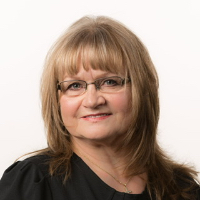
Texas · 15 yrs exp
Addictions · Relationship · Trauma and abuse · Grief · +13 more
Read profile
North Carolina · 10 yrs exp
Stress, Anxiety · Relationship · Family · Bipolar · +16 more
Read profile
Texas · 9 yrs exp
Stress, Anxiety · Trauma and abuse · Grief · Depression · +12 more
Read profile
Texas · 10 yrs exp
Stress, Anxiety · Relationship · Family · Depression · +14 more
Read profile
Ohio · 33 yrs exp
Stress, Anxiety · Family · Trauma and abuse · Self esteem · +12 more
Read profile
Illinois · 10 yrs exp
Stress, Anxiety · LGBT · Relationship · Trauma and abuse · +10 more
Read profile
Texas · 13 yrs exp
Stress, Anxiety · LGBT · Relationship · Trauma and abuse · +12 more
Read profile
Nevada · 10 yrs exp
Stress, Anxiety · Grief · Self esteem · Depression · +7 more
Read profile
Colorado · 11 yrs exp
Stress, Anxiety · LGBT · Trauma and abuse · Anger · +15 more
Read profile
Michigan · 21 yrs exp
Stress, Anxiety · Relationship · Family · Bipolar · +14 more
Read profile
Texas · 22 yrs exp
Stress, Anxiety · Relationship · Trauma and abuse · Depression · +16 more
Read profile
Illinois · 12 yrs exp
Stress, Anxiety · LGBT · Relationship · Depression · +14 more
Read profile
Florida · 30 yrs exp
Stress, Anxiety · Addictions · Anger · Bipolar · +5 more
Read profile
Florida · 22 yrs exp
Stress, Anxiety · Self esteem · Depression · Coping with life changes · +5 more
Read profile
New Jersey · 8 yrs exp
Stress, Anxiety · Relationship · Trauma and abuse · Bipolar · +14 more
Read profile
Nebraska · 14 yrs exp
Stress, Anxiety · Grief · Bipolar · Depression · +13 more
Read profile
Florida · 20 yrs exp
Addictions · Relationship · Trauma and abuse · Parenting · +14 more
Read profile
Tennessee · 35 yrs exp
Stress, Anxiety · Grief · Self esteem · Depression · +8 more
Read profileParanoia describes a pattern of thoughts and feelings in which you may suspect others have negative intentions toward you, or you may feel easily threatened by what you perceive around you. These experiences can range from mild mistrust to persistent beliefs that others are plotting against you. Paranoia can affect relationships, work, and your ability to relax in everyday settings. When you are preoccupied with worry about others' motives, you may withdraw socially, misread neutral interactions as hostile, or become hypervigilant in situations that once felt routine.
How paranoia shows up varies from person to person. Some people notice increases in anxiety, sleep disruption, or difficulty concentrating because worrying consumes mental energy. Others find their social circle shrinking because interactions feel unsafe or draining. Paranoia can arise in the context of stress, trauma, substance use, or as part of broader mental health patterns. Regardless of the source, the experience of persistent suspicion or fear can be exhausting and isolating, and it is understandable to look for guidance on navigating these concerns.
If you are reading this page, you may be wondering whether therapy could help reduce the intensity of these experiences and restore a sense of agency. Therapy often focuses on helping you develop clearer ways to evaluate situations, building emotional regulation skills, and improving interpersonal problem-solving so you can make choices that align with your values rather than your fears.
Therapy can be helpful when paranoia begins to interfere with your daily life or when it feels increasingly difficult to trust your own judgment. You might consider reaching out to a therapist if you notice that worry about others' intentions is causing arguments, harming important relationships, or making it hard to keep up with responsibilities at work or school. Another sign is if you find yourself avoiding social events or new opportunities because you expect criticism, hostility, or betrayal.
Physical symptoms can also accompany heightened suspicion - for example, persistent tension, fatigue from hypervigilance, or trouble sleeping. You may catch yourself scanning environments or replaying conversations to look for hidden meaning. If these patterns feel familiar, a therapist can offer a space to explore how these habits formed and to practice alternative responses. Seeking help is not an admission of weakness - it is a practical step to regain clarity and to reduce the mental load that constant mistrust creates.
People often benefit from therapy when they want tools to test assumptions in a calmer way, rebuild strained relationships, or address past experiences that contribute to present worries. Whether your concerns are new or long-standing, a clinician can work with you to set realistic goals and to track progress so you know whether the approach is helping.
When you start therapy for paranoia, your clinician will typically begin by asking about your current concerns, history, and what you hope to change. Early sessions are often focused on building rapport so you feel understood and on mapping patterns that maintain suspicious thinking. Your therapist will want to know how your thoughts and feelings influence your behavior, which helps shape a plan tailored to your situation.
Therapy sessions usually include a mix of reflection and skill-building. You might spend time examining specific situations that triggered worry and testing alternative explanations in the moment. Your clinician may teach techniques to manage anxiety, reduce arousal, and slow down rapid negative thinking so you can respond more deliberately. Role-playing or practicing conversations in session can be a practical way to prepare for real-life interactions that currently feel threatening.
Progress is often gradual. Early gains may show as reduced intensity or frequency of paranoid thoughts, improved sleep, or fewer avoidant behaviors. Some people also find that therapy helps them reconnect with others and rebuild trust over time. Your therapist should check in with you about how the work feels and adjust strategies if something is not helpful, so you retain momentum toward your goals.
Several therapeutic approaches are commonly used to address paranoia, each with strengths you can discuss when comparing clinicians. Cognitive-behavioral methods focus on identifying patterns of thinking that fuel suspicious conclusions and on practicing more balanced ways to interpret social cues. This approach also emphasizes behavioral experiments - carefully planned steps to test beliefs against real-world evidence so you can gather data rather than rely on assumptions.
There are adaptations of cognitive methods specifically designed for people experiencing more intense or persistent paranoid thoughts. These adaptations often combine symptom-focused strategies with attention to how early life experiences and relationships shape trust, enabling you to understand both the immediate triggers and the longer-term influences. Therapists may also integrate trauma-informed care when past experiences of harm contribute to current vigilance and mistrust.
Supportive therapy and approaches that build emotional regulation skills can be useful alongside cognitive work, especially when anxiety is high. Family or couples work may be appropriate if paranoia has strained close relationships and you want help restoring communication. While therapists do not prescribe medication, many clinicians work alongside prescribers as part of a broader plan when that is needed. The best approach is collaborative and tailored to your needs, combining strategies to reduce distress with tools that make everyday life more manageable.
Online therapy opens up options for connecting with clinicians who specialize in paranoia regardless of geographical constraints. Sessions are typically held through video or, in some cases, by phone or secure messaging within a platform chosen by the therapist. You and your clinician will agree on session length, frequency, and goals during an initial consultation. Many people find online sessions convenient because they reduce travel time and let you receive care from a familiar environment.
Therapists who work online adapt techniques to the medium - for example, they might guide you through grounding exercises on screen or use screen-sharing to review thought records. Good online care includes setting expectations for what will happen if a session becomes emotionally intense, and arranging clear steps for follow-up or in-person referral if additional support is needed. If you prefer in-person meetings, some clinicians offer hybrid care, combining remote sessions with occasional office visits.
When selecting a clinician, consider their training and experience with paranoia or related concerns. You may want to ask about the therapeutic approaches they use, whether they have worked with people who experienced similar patterns, and how they measure progress. It is appropriate to ask about session structure, cancellation policies, and how they handle emergencies. Pay attention to whether the therapist communicates in a way that feels understandable and respectful - the therapeutic relationship itself is a strong predictor of helpful outcomes.
Trust your instincts about fit. If a clinician's style feels mismatched, it is reasonable to try another provider. You might look for someone who balances validation of your experience with practical strategies to test and modify distressing thoughts. Accessibility factors matter too - consider availability, session times, and whether the clinician accepts your form of payment or insurance when relevant. Finally, give therapy time to work while remaining open to adjustments; collaborative conversation with your clinician about what is and is not helping will guide the path forward.
Finding the right clinician for paranoia can be a pivotal step toward reducing fear-driven patterns and increasing your ability to engage with life on your terms. Use the listings above to compare profiles, read about different approaches, and reach out to a few therapists whose descriptions resonate. Taking that first step often brings relief by creating a space to explore these experiences with someone who understands and can support your efforts to change.
Alabama
365 therapists
Alaska
41 therapists
Arizona
339 therapists
Arkansas
182 therapists
Australia
646 therapists
California
2695 therapists
Colorado
547 therapists
Connecticut
228 therapists
Delaware
72 therapists
District of Columbia
72 therapists
Florida
2486 therapists
Georgia
936 therapists
Hawaii
98 therapists
Idaho
145 therapists
Illinois
844 therapists
Indiana
428 therapists
Iowa
109 therapists
Kansas
172 therapists
Kentucky
304 therapists
Louisiana
478 therapists
Maine
108 therapists
Maryland
435 therapists
Massachusetts
330 therapists
Michigan
852 therapists
Minnesota
316 therapists
Mississippi
244 therapists
Missouri
580 therapists
Montana
134 therapists
Nebraska
128 therapists
Nevada
144 therapists
New Hampshire
68 therapists
New Jersey
583 therapists
New Mexico
135 therapists
New York
1364 therapists
North Carolina
987 therapists
North Dakota
28 therapists
Ohio
599 therapists
Oklahoma
391 therapists
Oregon
193 therapists
Pennsylvania
829 therapists
Rhode Island
52 therapists
South Carolina
439 therapists
South Dakota
48 therapists
Tennessee
412 therapists
Texas
2557 therapists
United Kingdom
4380 therapists
Utah
231 therapists
Vermont
50 therapists
Virginia
530 therapists
Washington
349 therapists
West Virginia
76 therapists
Wisconsin
390 therapists
Wyoming
70 therapists