
Anne Douglas
LMFT· Accepting clientsNorth Carolina · 25 yrs exp
Stress, Anxiety · Relationship · Family · Grief · +15 more
Read profileThe therapy listings are provided by BetterHelp and we will earn a commission if you use our link - at no cost to you.
Explore therapists who specialize in working with LGBTQ+ clients and those navigating identity, relationships, and minority stress. Our queer friendly directory highlights clinicians' focus areas and therapeutic approaches. Browse the listings below to compare profiles and find a clinician who aligns with your needs.
North Carolina · 25 yrs exp
Stress, Anxiety · Relationship · Family · Grief · +15 more
Read profile
Texas · 30 yrs exp
Stress, Anxiety · Addictions · Anger · Self esteem · +13 more
Read profile
Texas · 20 yrs exp
Stress, Anxiety · LGBT · Relationship · Self esteem · +16 more
Read profile
Georgia · 20 yrs exp
Stress, Anxiety · Addictions · Relationship · Self esteem · +12 more
Read profile
Ohio · 25 yrs exp
Stress, Anxiety · LGBT · Relationship · Self esteem · +16 more
Read profile
Michigan · 25 yrs exp
Stress, Anxiety · LGBT · Relationship · Grief · +10 more
Read profile
Colorado · 19 yrs exp
Stress, Anxiety · Relationship · Trauma and abuse · Grief · +12 more
Read profile
Alabama · 22 yrs exp
Stress, Anxiety · Trauma and abuse · Anger · Self esteem · +16 more
Read profile
Florida · 20 yrs exp
Stress, Anxiety · Addictions · Relationship · Self esteem · +16 more
Read profile
Oregon · 17 yrs exp
Stress, Anxiety · Anger · Self esteem · Career · +12 more
Read profile
Washington · 16 yrs exp
Stress, Anxiety · Addictions · LGBT · Bipolar · +12 more
Read profile
New Jersey · 15 yrs exp
Stress, Anxiety · Family · Trauma and abuse · Parenting · +10 more
Read profile
Maine · 12 yrs exp
Stress, Anxiety · Self esteem · Depression · Coping with life changes · +16 more
Read profile
South Carolina · 14 yrs exp
Stress, Anxiety · Parenting · Depression · Addictions · +14 more
Read profile
Colorado · 17 yrs exp
Relationship · Trauma and abuse · Parenting · Self esteem · +8 more
Read profile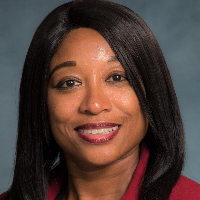
Georgia · 8 yrs exp
Stress, Anxiety · Relationship · Family · Grief · +11 more
Read profile
Minnesota · 29 yrs exp
Stress, Anxiety · Relationship · Anger · Self esteem · +11 more
Read profile
Kentucky · 18 yrs exp
LGBT · Relationship · Family · Self esteem · +14 more
Read profile
Illinois · 30 yrs exp
Trauma and abuse · Grief · Self esteem · Depression · +14 more
Read profile
Florida · 30 yrs exp
Stress, Anxiety · LGBT · Self esteem · Coping with life changes · +2 more
Read profile
Louisiana · 7 yrs exp
Stress, Anxiety · Family · Trauma and abuse · Parenting · +15 more
Read profile
North Carolina · 28 yrs exp
Stress, Anxiety · Addictions · LGBT · Depression · +12 more
Read profile
Florida · 25 yrs exp
Relationship · Trauma and abuse · Grief · Anger · +12 more
Read profile
Texas · 15 yrs exp
Addictions · Relationship · Trauma and abuse · Grief · +13 more
Read profileWhen a therapist describes their practice as queer friendly, it signals an intentional commitment to understanding the experiences of LGBTQ+ people. That can include knowledge of coming out processes, gender identity exploration, relationship structures that fall outside traditional norms, and the impact of stigma, discrimination, and social isolation. Queer friendly does not imply a single method or identity; rather it indicates cultural awareness, respect for diverse sexual orientations and gender identities, and an effort to avoid assumptions about your life and priorities.
People seeking a queer friendly therapist often want an environment where they can speak openly without feeling judged or misgendered. You may be looking for a therapist who uses inclusive language, understands how family rejection or community discrimination affects well-being, and is familiar with legal or social issues that disproportionately affect LGBTQ+ people. A good queer friendly clinician also recognizes the intersection of identity with race, disability, religion, and socioeconomic factors and tailors support accordingly.
You might consider queer focused therapy if aspects of your sexual orientation or gender identity are causing stress, confusion, or distress in daily life. This can show up as anxiety around coming out, uncertainty during gender transition, or persistent worry about how relationships will be perceived by family and community. You may also be coping with the emotional fallout of discrimination, microaggressions, or incidents of harassment. These experiences can contribute to depression, heightened stress levels, or difficulties in forming and maintaining intimate relationships.
Other signs that therapy could help include recurring thoughts about identity that interfere with work or school, trouble asserting boundaries with unsupportive people, or feeling chronically drained by attempts to conceal important parts of yourself. Even if you are not facing a crisis, therapy can be a space for self-exploration, processing complicated family dynamics, and developing strategies to thrive as an LGBTQ+ person. If you want practical tools to manage minority stress, or someone who understands the unique pressures you face, a queer friendly therapist can provide targeted support.
In early sessions you can expect the therapist to ask about your current concerns, identity history, relationships, and sources of stress or support. A queer friendly clinician will typically invite you to describe how you prefer to be addressed, including pronouns and chosen name, and will work to create a respectful and validating tone from the start. You should feel able to correct them if they make assumptions or use language you do not prefer; a skilled therapist will welcome that feedback and adapt accordingly.
Therapy often balances emotional processing with practical skills. You may explore feelings tied to identity, grief over lost relationships, or confusion about next steps in transition. At the same time, your therapist can help you build coping strategies for anxiety, develop communication skills for coming out conversations, plan safety measures in hostile environments, and set boundaries with family or partners. Sessions may include discussion, reflective exercises, role plays, or homework to reinforce new patterns between appointments. Progress is typically collaborative - you and your therapist will set goals together and revisit them as your needs change.
Therapists who work well with LGBTQ+ clients draw from a range of evidence-informed approaches and adapt them to the context of identity and minority stress. Cognitive behavioral techniques can help you identify and reframe unhelpful thoughts that arise from internalized stigma or negative messaging. Acceptance-based approaches teach you to tolerate distress without letting it dictate your choices, which can be useful when navigating public or family reactions to coming out.
Psychodynamic and narrative approaches can support deeper exploration of how identity has developed over time and how family history shapes your current sense of self. These methods can be particularly helpful if you are processing long-term patterns or grief related to rejected relationships. Trauma-informed therapy acknowledges the impact of harassment, violence, or discrimination and prioritizes your safety and pacing. Somatic and mindfulness-informed tools may also be incorporated to address how stress shows up physically in the body, providing additional ways to regulate emotions beyond talk alone.
Effective queer friendly therapy is often integrative - the therapist selects techniques that fit your goals, cultural background, and the stage of identity development you are in. You should expect flexibility rather than a one-size-fits-all protocol, with attention to how social factors influence your mental health. If you have specific preferences for approach, it is reasonable to ask prospective therapists about their experience with particular modalities.
Online therapy can expand access to queer friendly clinicians, especially if local options are limited or if you prefer the convenience of remote sessions. Virtual appointments typically use video or phone calls and can make it easier to connect with a therapist who has specialized training in LGBTQ+ issues regardless of geographic distance. Many people find online work helpful when they need flexible scheduling, reduced travel time, or a way to maintain continuity of care while relocating.
When engaging in online therapy, you should check how the clinician handles intake, emergency planning, and technological privacy. Discuss how they will manage session boundaries, paperwork, and follow-up between appointments. Make sure they are licensed to practice in the region relevant to your care and that their stated scope aligns with your needs. If you prefer an in-person environment, some therapists offer hybrid options where you can alternate between face-to-face and virtual sessions. Ultimately, the medium should support your comfort and accessibility rather than dictate the therapeutic focus.
Choosing a therapist is a personal decision and you have the right to interview providers until you find a good match. Start by reviewing profiles to learn about a therapist's experience working with LGBTQ+ clients, training in gender-affirming care, and familiarity with intersectional issues that matter to you. Pay attention to how they describe their approach to identity, whether they mention pronouns, and how they discuss topics that resonate with your situation. A transparent profile that outlines specialties, cultural competence, and logistical details can make it easier to compare options.
During a consultation call or first session, notice how the therapist listens to your priorities and whether they validate your experiences without minimizing challenges. Ask about their experience with issues you face, such as transition-related care, relationship structures, or family reconciliation. Inquire about typical session structure, goals, and how they measure progress. If you encounter microaggressions, invalidation, or persistent discomfort, it is appropriate to seek another clinician who better matches your needs. Trust your instincts - a strong therapeutic relationship often depends on feeling respected, understood, and able to bring your whole self to the work.
Finally, practical considerations like availability, insurance or payment options, and whether they offer sliding scale fees can affect your choice. If you are using online therapy, confirm licensure and how cross-state or cross-region sessions are managed. Finding the right queer friendly therapist may take time, but investing effort up front increases the likelihood that you will connect with someone who helps you grow, manage stress, and navigate identity with confidence.
Seeking queer friendly therapy is a proactive step toward well-being and self-understanding. Whether you are exploring gender questions, coping with minority stress, repairing relationships, or simply wanting a personal space to reflect, clinicians with queer informed training can offer meaningful support. Use the listings above to compare practitioners, ask questions that matter to you, and choose a therapist who respects your identity and meets your goals.
Alabama
365 therapists
Alaska
41 therapists
Arizona
339 therapists
Arkansas
182 therapists
Australia
646 therapists
California
2695 therapists
Colorado
547 therapists
Connecticut
228 therapists
Delaware
72 therapists
District of Columbia
72 therapists
Florida
2486 therapists
Georgia
936 therapists
Hawaii
98 therapists
Idaho
145 therapists
Illinois
844 therapists
Indiana
428 therapists
Iowa
109 therapists
Kansas
172 therapists
Kentucky
304 therapists
Louisiana
478 therapists
Maine
108 therapists
Maryland
435 therapists
Massachusetts
330 therapists
Michigan
852 therapists
Minnesota
316 therapists
Mississippi
244 therapists
Missouri
580 therapists
Montana
134 therapists
Nebraska
128 therapists
Nevada
144 therapists
New Hampshire
68 therapists
New Jersey
583 therapists
New Mexico
135 therapists
New York
1364 therapists
North Carolina
987 therapists
North Dakota
28 therapists
Ohio
599 therapists
Oklahoma
391 therapists
Oregon
193 therapists
Pennsylvania
829 therapists
Rhode Island
52 therapists
South Carolina
439 therapists
South Dakota
48 therapists
Tennessee
412 therapists
Texas
2557 therapists
United Kingdom
4380 therapists
Utah
231 therapists
Vermont
50 therapists
Virginia
530 therapists
Washington
349 therapists
West Virginia
76 therapists
Wisconsin
390 therapists
Wyoming
70 therapists