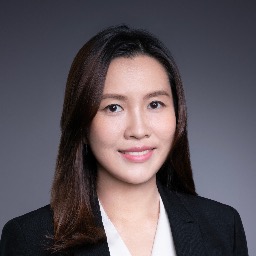
Mei Yan Jim
BACP· Accepting clientsUnited Kingdom · 3 yrs exp
Family · Parenting · Stress, Anxiety · Relationship · +2 more
Read profileThe therapy listings are provided by BetterHelp and we will earn a commission if you use our link - at no cost to you.
Therapy in your native language can make a big difference in how clearly you express feelings and how well you are understood. Below you can browse Cantonese-speaking therapists and view profiles to find someone who fits your needs.
Use the listing to compare specialties, approaches, and availability so you can take the next step toward support in Cantonese.
United Kingdom · 3 yrs exp
Family · Parenting · Stress, Anxiety · Relationship · +2 more
Read profile
United Kingdom · 7 yrs exp
Stress, Anxiety · Trauma and abuse · Grief · Anger · +14 more
Read profile
United Kingdom · 18 yrs exp
Stress, Anxiety · Relationship · Family · Intimacy-related issues · +13 more
Read profile
United Kingdom · 13 yrs exp
Relationship · Family · Grief · Intimacy-related issues · +5 more
Read profile
United Kingdom · 3 yrs exp
Relationship · Self esteem · Career · Depression · +7 more
Read profile
United Kingdom · 8 yrs exp
Stress, Anxiety · LGBT · Self esteem · Career · +9 more
Read profile
United Kingdom · 6 yrs exp
Stress, Anxiety · Family · Grief · Self esteem · +11 more
Read profile
United Kingdom · 11 yrs exp
Trauma and abuse · Career · Depression · Coping with life changes · +8 more
Read profile
United Kingdom · 11 yrs exp
Stress, Anxiety · Relationship · Anger · Depression · +16 more
Read profile
United Kingdom · 3 yrs exp
Stress, Anxiety · Trauma and abuse · Sleeping · Anger · +15 more
Read profile
United Kingdom · 3 yrs exp
Stress, Anxiety · Addictions · Trauma and abuse · Grief · +9 more
Read profile
United Kingdom · 3 yrs exp
Stress, Anxiety · Relationship · Family · Trauma and abuse · +1 more
Read profile
United Kingdom · 5 yrs exp
Stress, Anxiety · Addictions · Relationship · Grief · +7 more
Read profile
Australia · 6 yrs exp
Stress, Anxiety · Trauma and abuse · Grief · Self esteem · +1 more
Read profile
Australia · 12 yrs exp
Stress, Anxiety · Grief · Self esteem · Depression · +1 more
Read profile
California · 12 yrs exp
Addictions · Grief · Parenting · Self esteem · +11 more
Read profile
New York · 8 yrs exp
Relationship · Trauma and abuse · Self esteem · Depression · +11 more
Read profile
California · 38 yrs exp
Stress, Anxiety · Relationship · Trauma and abuse · Depression · +14 more
Read profile
United Kingdom · 12 yrs exp
Stress, Anxiety · Relationship · Trauma and abuse · Career · +11 more
Read profile
Texas · 4 yrs exp
Stress, Anxiety · Trauma and abuse · Eating · Self esteem · +16 more
Read profile
California · 20 yrs exp
Family · Trauma and abuse · Parenting · Anger · +9 more
Read profile
United Kingdom · 12 yrs exp
Stress, Anxiety · Self esteem · Depression · Coping with life changes · +12 more
Read profile
United Kingdom · 21 yrs exp
Stress, Anxiety · Relationship · Grief · Self esteem · +1 more
Read profile
United Kingdom · 15 yrs exp
Stress, Anxiety · Relationship · Family · Self esteem · +11 more
Read profileWhen you speak with a therapist in Cantonese you bring the full nuance of your emotions, cultural references, and everyday speech to sessions. Language carries more than grammar - it carries shared history, idioms, humor, and the subtle ways you learned to talk about stress and relationships. If you have ever felt the need to translate an idea into another language before saying it, you know how much can be lost in translation. Working with a Cantonese-speaking therapist reduces that friction and helps you be heard as you intend to be heard.
You may find that certain feelings are tied to words or expressions that only exist in Cantonese, or that family dynamics are best explained using terms rooted in your cultural context. A therapist who knows those linguistic and cultural layers can help you explore patterns with more accuracy. That kind of alignment can make sessions feel more natural and deepen the therapeutic relationship, because you spend less time explaining language and more time addressing what matters to you.
Language barriers in therapy can shape what you share and how you cope. If you are working through anxiety, grief, or relationship strain but must use a second language, you may find yourself simplifying complex emotions or avoiding topics that feel too difficult to translate. This can limit the depth of work and slow progress. Misunderstandings can arise when a therapist is unfamiliar with cultural meanings behind phrases, which can unintentionally change the direction of therapy or create feelings of distance.
Beyond misunderstandings, language barriers can affect your sense of safety in a session. You might hold back when discussing sensitive issues because you are concerned about choosing the right words. You may also miss therapeutic interventions that rely on cultural resonance - metaphors, proverbs, or family expectations that guide how you interpret advice. By choosing a therapist who speaks Cantonese you reduce these obstacles and create space for fuller expression and clearer therapeutic goals.
Online therapy with a Cantonese-speaking therapist offers many of the same therapeutic principles as in-person work, but with added flexibility. You can expect to have an initial conversation about your reasons for seeking help, your preferences for therapy style, and practical matters like scheduling. In subsequent sessions you and your therapist will work at a pace that suits you, using Cantonese to explore thoughts, feelings, and behaviors. Many therapists will tailor their approach to reflect cultural values that matter to you, such as family roles, intergenerational expectations, or community obligations.
Because online therapy can take place from home or another convenient location, you may feel more comfortable beginning treatment sooner. Sessions conducted in Cantonese allow for greater immediacy when emotions arise - you can express a sudden sadness, frustration, or relief in the language that fits best. Therapists who offer online work are also able to share resources in Cantonese, recommend culturally relevant reading, and help you practice communication strategies that feel natural in your family and community context.
Before your first online session you may want to check the therapist's availability in your time zone, ask about their approach to confidentiality and records, and confirm whether they work with clients in your region. It is reasonable to ask about session length, fees, cancellation policy, and whether they offer short-term or long-term treatment. Being clear about these details helps you focus on therapy content rather than logistics once sessions begin.
Cantonese speakers often encounter several barriers when reaching out for mental health support. Cultural stigma can be a major factor - therapy may be perceived as airing family matters or as something only for severe problems. That belief can make it harder to ask for help early, even when small changes could prevent bigger issues. Generational differences also play a role - younger family members may be more open to therapy while older relatives expect emotional matters to be managed within the family. These dynamics can affect how you approach therapy and who you choose to involve in your healing.
Another common concern is finding a therapist who understands both the language and the cultural nuances. You may worry that a therapist who speaks Cantonese will still not appreciate specific family traditions, migration experiences, or the pressures of balancing different cultural expectations. It helps to look for therapists who highlight cultural competency in their profiles and who describe experience working with Cantonese-speaking families or communities. Expressing these concerns in your first conversation can clarify whether a therapist is the right fit for your situation.
Online therapy broadens access to Cantonese-speaking professionals who may not be available locally. If you live in an area with few Cantonese-language providers, online appointments let you connect with clinicians who share your language and cultural background. This expanded reach makes it easier to find someone whose training and approach match your needs. Online work also provides scheduling flexibility - you can arrange sessions outside typical work hours or during breaks, which may be especially helpful if you balance career and family responsibilities.
Another benefit is the ability to choose a therapist whose specialty aligns with your concerns, whether you are addressing relationship challenges, parenting, acculturation stress, or mood difficulties. Because language is a core component of identity, online therapy in Cantonese can foster a sense of cultural continuity even as you work on change. This can be especially meaningful if you want to process migration history, caregiving roles, or the experience of raising bilingual children.
Choosing a therapist is a personal decision and it helps to approach it with a mix of practical questions and attention to fit. Start by reading profiles to learn about each therapist's training, areas of focus, and therapeutic style. Pay attention to whether they mention work with Cantonese-speaking clients or familiarity with cultural topics that matter to you. You can also ask about their approach to therapy during a brief introductory call - many therapists offer a short consultation to see if you are comfortable together.
Think about what you want from therapy - whether you need skills for managing stress, support through a life transition, or help with family communication - and look for clinicians who have experience in those areas. Consider practical factors as well, such as session hours, payment options, and whether they provide resources in Cantonese. Finally, trust your own sense of comfort. If you feel understood and respected in the first few sessions, that is often a good sign that you have found a therapist who can support your goals.
Finding therapy in Cantonese can be a meaningful step toward clearer expression, stronger relationships, and better emotional understanding. By prioritizing language and cultural fit, you increase the chances of finding a therapeutic relationship that helps you make real progress on the issues that matter most to you.