
Jan Tang
LMHC· Accepting clientsNew York · 23 yrs exp
Stress, Anxiety · Addictions · Career · Depression · +10 more
Read profileThe therapy listings are provided by BetterHelp and we will earn a commission if you use our link - at no cost to you.
Therapy in your native language can make it easier to express thoughts, memories, and emotions. Browse Mandarin-speaking therapists below to find a clinician who fits your needs and cultural expectations.
New York · 23 yrs exp
Stress, Anxiety · Addictions · Career · Depression · +10 more
Read profile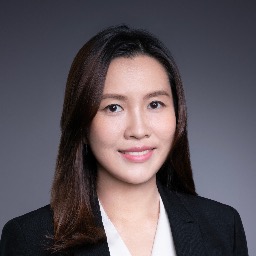
United Kingdom · 3 yrs exp
Family · Parenting · Stress, Anxiety · Relationship · +2 more
Read profile
United Kingdom · 7 yrs exp
Stress, Anxiety · Trauma and abuse · Grief · Anger · +14 more
Read profile
United Kingdom · 4 yrs exp
Stress, Anxiety · Depression · Coping with life changes · Compassion fatigue · +5 more
Read profile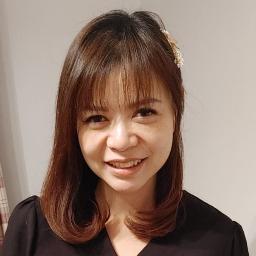
United Kingdom · 18 yrs exp
Stress, Anxiety · Relationship · Family · Intimacy-related issues · +13 more
Read profile
United Kingdom · 13 yrs exp
Relationship · Family · Grief · Intimacy-related issues · +5 more
Read profile
United Kingdom · 10 yrs exp
Stress, Anxiety · Relationship · Trauma and abuse · Anger · +9 more
Read profile
United Kingdom · 3 yrs exp
Relationship · Self esteem · Career · Depression · +7 more
Read profile
United Kingdom · 5 yrs exp
Stress, Anxiety · Relationship · Intimacy-related issues · Anger · +11 more
Read profile
United Kingdom · 6 yrs exp
Stress, Anxiety · Family · Grief · Self esteem · +11 more
Read profile
United Kingdom · 11 yrs exp
Stress, Anxiety · Relationship · Anger · Depression · +16 more
Read profile
Australia · 13 yrs exp
Stress, Anxiety · Relationship · Trauma and abuse · Self esteem · +14 more
Read profile
Australia · 10 yrs exp
Relationship · Sleeping · Self esteem · Career · +1 more
Read profile
United Kingdom · 3 yrs exp
Stress, Anxiety · Trauma and abuse · Sleeping · Anger · +15 more
Read profile
United Kingdom · 3 yrs exp
Stress, Anxiety · Addictions · Trauma and abuse · Grief · +9 more
Read profile
United Kingdom · 3 yrs exp
Stress, Anxiety · Relationship · Family · Trauma and abuse · +1 more
Read profile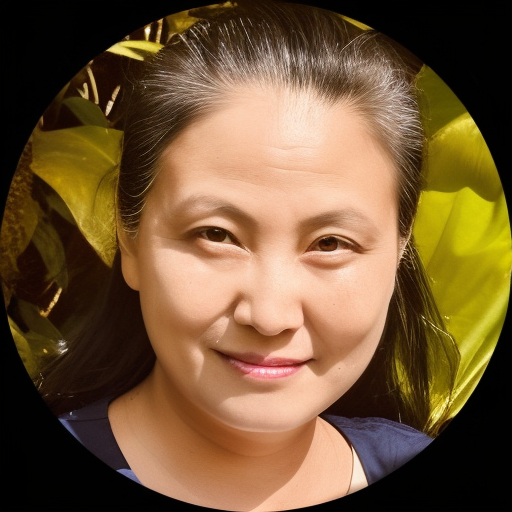
Hawaii · 5 yrs exp
Stress, Anxiety · Grief · Self esteem · Depression · +2 more
Read profile
Australia · 6 yrs exp
Stress, Anxiety · Trauma and abuse · Grief · Self esteem · +1 more
Read profile
Pennsylvania · 5 yrs exp
Stress, Anxiety · Relationship · Self esteem · Depression · +1 more
Read profile
Australia · 12 yrs exp
Stress, Anxiety · Grief · Self esteem · Depression · +1 more
Read profile
California · 12 yrs exp
Addictions · Grief · Parenting · Self esteem · +11 more
Read profile
New York · 8 yrs exp
Relationship · Trauma and abuse · Self esteem · Depression · +11 more
Read profile
New Jersey · 5 yrs exp
Stress, Anxiety · Relationship · Family · Self esteem · +1 more
Read profile
Oklahoma · 9 yrs exp
Stress, Anxiety · Relationship · Trauma and abuse · Parenting · +15 more
Read profileWhen you meet a therapist who speaks Mandarin, you gain more than translation - you open a channel for nuance, tone, and culturally shaped meaning. Language carries idioms, metaphors, and layers of context that shape how you describe experiences and pain. Speaking in your first or most comfortable language helps you access memories and feelings that may be harder to reach in a second language. That access can change the pace and depth of therapy, letting you explore issues with greater clarity and emotional accuracy. Beyond words, a Mandarin-speaking clinician is more likely to understand cultural references, family dynamics, and social pressures common in Mandarin-speaking communities, which can shape diagnosis, treatment style, and goal-setting.
Language barriers create friction in the therapeutic relationship. If you explain a childhood memory in a language you learned later in life, details may be lost, and subtle emotional cues can be flattened. You may find yourself using more abstract descriptions or resorting to simpler phrases to get your point across. That narrowing of expression can leave certain emotions underexplored or misunderstood. Miscommunication around cultural norms - for instance, expectations about filial piety, face, or intergenerational roles - can also lead to mismatched treatment plans. Working with a Mandarin-speaking therapist reduces the need to interpret metaphors or translate cultural concepts, so your concerns are less likely to be reframed in ways that miss their personal significance. This can help you feel heard and understood, which supports trust and therapeutic progress.
Online therapy offers a familiar meeting rhythm similar to in-person care but with added convenience. You can expect scheduled video or phone sessions where you and your therapist set goals, review progress, and work through exercises. Your therapist may ask about your preferred language usage - whether you switch between Mandarin and another language in different contexts - and tailor communication to your comfort. If you prefer using certain regional expressions, writing in characters, or speaking in a specific dialect of Mandarin, mention that early so your clinician can adapt. Sessions often begin with an intake that reviews background, current stressors, and practicalities like fees and booking. Technology will play a role, but therapists typically guide you through the platform, connection checks, and basic guidelines for a productive session.
Mandarin-speaking therapists use many of the same evidence-informed approaches available in other languages - cognitive behavioral techniques, trauma-informed care, mindfulness-based strategies, and interpersonal therapy - and they adapt these methods to cultural norms. A culturally responsive clinician will explore how family expectations, immigration history, language shift, and social stigma influence your presenting concerns. They will also invite you to share what cultural values are most important to you and integrate that context into treatment planning. You should expect respectful curiosity about your cultural background rather than assumptions, and a focus on practical strategies that fit the rhythms of your daily life.
Many Mandarin speakers worry about stigma, misunderstanding, and the social implications of seeking mental health care. In some communities, talking about personal or family struggles with an outsider can be seen as airing private matters or admitting weakness. This can make it hard to take the first step. Others are unsure how to find clinicians who truly understand cultural nuances or fear being offered approaches that feel culturally irrelevant. Language preference itself can be a barrier - you may find clinicians who list Mandarin as a language but offer limited cultural attunement, or you may encounter long waits for clinicians who match both your language and specialty needs. Practical concerns also matter: affordability, appointment times that fit work and family commitments, and whether therapy can be coordinated with community or religious supports. A thoughtful therapist will acknowledge these concerns and work with you to navigate them, creating an approach that respects your values and goals.
Online therapy widens your options in ways that traditional local searches cannot. If you live in an area with few Mandarin clinicians, virtual sessions let you connect with therapists who share your language and cultural frame without relocating. That access means you can prioritize specific training, like experience with immigration stress or family systems, rather than settling for the closest speaker. Online sessions also provide scheduling flexibility - you can book evening or weekend times that align with work and caregiving responsibilities. For people who feel more at ease starting therapy from home or another comfortable environment, online meetings can reduce the friction of travel and time off. Additionally, the digital format makes it easier to maintain continuity when you move or travel, since you can often keep the same clinician across locations and time zones. These practical advantages expand the ways you can receive care while keeping cultural and linguistic fit central.
Choosing a therapist is a personal process. Start by clarifying what you want to address - anxiety, depression, relationship patterns, immigration-related stress, or parenting challenges - and look for clinicians who list relevant experience. Read bios carefully for descriptions of cultural competence, training, and therapeutic approaches, and pay attention to whether they mention working with Mandarin-speaking clients from similar backgrounds. During initial contact or an intake call, ask about their experience with cultural values that matter to you, how they handle family involvement in therapy, and their approach to confidentiality and data protection. Discuss logistics such as fees, cancellation policies, and whether they offer a sliding scale. You should also consider whether you prefer a therapist who shares your country or regional background, as that can shape understanding of dialect, idioms, and migration stories. Finally, trust your instincts about rapport. If you feel heard and understood in the first few sessions, that connection is a strong indicator that the therapeutic relationship will be productive.
Finding a Mandarin-speaking therapist is a meaningful step toward care that honors your language and cultural identity. As you explore profiles and book introductory sessions, prioritize clear communication about your needs and observe how the therapist responds to cultural context and language preferences. Therapy is a collaboration, and when you speak in the language that best fits your inner life, you increase the likelihood of honest expression and lasting change. Take your time, ask questions, and choose a clinician who matches both your practical needs and your cultural comfort - that alignment often makes the difference in how effective therapy feels for you.