
Henry "Jay" Swedlaw
LPCC, LCMHC· Accepting clientsTexas · 20 yrs exp
Stress, Anxiety · LGBT · Relationship · Self esteem · +16 more
Read profileThe therapy listings are provided by BetterHelp and we will earn a commission if you use our link - at no cost to you.
A Licensed Professional Clinical Counselor (LPCC) is a masters-level mental health clinician trained to assess and provide psychotherapy for a wide range of concerns. Browse the verified LPCC therapists listed below to compare credentials, specialties, and clinical approaches.
Texas · 20 yrs exp
Stress, Anxiety · LGBT · Relationship · Self esteem · +16 more
Read profile
Ohio · 25 yrs exp
Stress, Anxiety · LGBT · Relationship · Self esteem · +16 more
Read profile
Ohio · 12 yrs exp
Stress, Anxiety · Relationship · Family · Trauma and abuse · +9 more
Read profile
Pennsylvania · 12 yrs exp
Stress, Anxiety · Relationship · Self esteem · Depression · +11 more
Read profile
Ohio · 18 yrs exp
Stress, Anxiety · Trauma and abuse · Grief · Anger · +11 more
Read profile
Ohio · 33 yrs exp
Stress, Anxiety · Family · Trauma and abuse · Self esteem · +12 more
Read profile
Kentucky · 9 yrs exp
Stress, Anxiety · Addictions · Relationship · Family · +9 more
Read profile
Ohio · 25 yrs exp
Stress, Anxiety · Grief · Anger · Depression · +16 more
Read profile
Ohio · 20 yrs exp
Stress, Anxiety · Addictions · Relationship · Family · +15 more
Read profile
Tennessee · 8 yrs exp
Stress, Anxiety · Anger · Self esteem · Depression · +12 more
Read profile
Ohio · 12 yrs exp
Stress, Anxiety · Relationship · Eating · Depression · +11 more
Read profile
Missouri · 17 yrs exp
Stress, Anxiety · Addictions · Relationship · Anger · +9 more
Read profile
Minnesota · 7 yrs exp
Stress, Anxiety · Addictions · Grief · Depression · +10 more
Read profile
Minnesota · 6 yrs exp
Stress, Anxiety · Addictions · Depression
Read profile
Ohio · 12 yrs exp
Stress, Anxiety · Depression · Coping with life changes · Addictions · +10 more
Read profile
Kentucky · 6 yrs exp
Relationship · Trauma and abuse · Grief · Depression · +2 more
Read profile
Texas · 15 yrs exp
Stress, Anxiety · Addictions · LGBT · Trauma and abuse · +11 more
Read profile
New Mexico · 17 yrs exp
Stress, Anxiety · Addictions · Relationship · Family · +9 more
Read profile
Ohio · 15 yrs exp
Stress, Anxiety · Addictions · Relationship · Grief · +11 more
Read profile
Wisconsin · 21 yrs exp
Stress, Anxiety · Relationship · Family · Trauma and abuse · +8 more
Read profile
Florida · 10 yrs exp
Stress, Anxiety · Coping with life changes · Grief
Read profile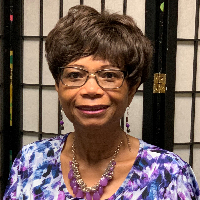
Indiana · 25 yrs exp
Stress, Anxiety · Relationship · Family · Trauma and abuse · +9 more
Read profile
Kentucky · 7 yrs exp
Stress, Anxiety · Family · Trauma and abuse · Self esteem · +10 more
Read profile
Ohio · 10 yrs exp
Stress, Anxiety · Addictions · LGBT · Trauma and abuse · +15 more
Read profileWhen a clinician holds the Licensed Professional Clinical Counselor credential, it indicates completion of a defined educational and supervised training pathway in mental health care. Typically this includes a masters or doctoral degree in counseling or a closely related field, coursework in clinical assessment and treatment, and a period of supervised post-degree clinical practice. Candidates must also pass a state-recognized licensure exam and meet ongoing continuing education requirements to maintain their credential. The LPCC designation signals that a clinician has met regulatory standards for providing psychotherapy and other clinical services within their state.
Understanding what the credential stands for helps you evaluate clinicians beyond job titles. The training that underpins an LPCC is focused on therapeutic skills - assessment, diagnosis where allowed by state scope, treatment planning, and evidence-informed interventions. Educational programs emphasize theoretical frameworks, multicultural competence, ethics, and practicum experiences. After graduation, the supervised hours requirement gives clinicians practical experience with clients under oversight. Together, education and supervised practice prepare LPCCs to work with individuals, couples, families, and groups across many presenting concerns.
LPCCs are trained to provide psychotherapy, crisis intervention, case conceptualization, and treatment planning for a range of mental health issues. In many states they may assess symptoms, use diagnostic frameworks, and coordinate care with other health professionals. The exact scope of practice can vary by jurisdiction, so it is important to check local regulations. LPCCs often work in outpatient clinics, community agencies, schools, and private practice settings, delivering talk therapy and skills-based interventions.
Licenses such as licensed clinical social worker or licensed psychologist reflect different educational paths and emphases. A licensed clinical social worker typically brings a social systems perspective and training in case management, while a psychologist usually has a doctoral degree with intensive training in assessment and testing. LPCC training centers on counseling theories and therapeutic techniques. Depending on the state, some licenses permit different levels of diagnostic testing, prescribing privileges, or billing practices. When choosing a clinician, consider both the license and their actual experience and training in the areas you need help with.
LPCCs often develop focused skills in particular treatment areas. Many specialize in anxiety and mood disorders, offering cognitive-behavioral approaches, acceptance-based therapies, or other evidence-informed modalities. Other common focuses include trauma-informed care, grief and loss, relationship counseling for couples, family therapy, and work with adolescents. Some LPCCs also work with specific populations such as veterans, members of the LGBTQ+ community, or people navigating chronic health conditions. A therapist’s specialty is shaped by coursework, post-graduate training, and years of clinical experience.
Therapeutic approaches vary across clinicians. Some LPCCs emphasize short-term, goal-directed work that teaches coping skills and symptom management. Others offer longer-term, insight-oriented therapy that explores patterns and life narrative. You may also find LPCCs trained in modalities such as cognitive-behavioral therapy, dialectical behavior therapy skills, trauma-focused approaches, or family systems work. Exploring a clinician’s biography and treatment philosophy can give you a sense of how they will work with you and whether that aligns with your preferences.
Verifying a clinician’s LPCC credentials helps ensure that licensing and training standards have been met. Start by checking the state licensing board website where the clinician practices. Most boards provide a searchable license lookup that confirms active status, original issue date, and any disciplinary history. You can also ask the clinician directly for their license number and the state that issued it. Professional associations and online directories may list credentials as well, but primary verification through the state board is the most reliable approach.
In addition to license verification, review the clinician’s education and supervised experience. Many clinicians list their degree institution, practicum placements, and advanced certifications on their profile. If a clinician claims specialization in a particular method or population, you can ask about specific training hours, supervision, and the types of clinical cases they have treated. During an initial consultation, asking about recent continuing education demonstrates a commitment to professional growth and helps you understand the clinician’s current expertise.
Choosing an LPCC therapist can offer a combination of formal training and practical clinical experience suited to a wide range of concerns. Because the credential focuses on counseling skills, many LPCCs excel at building a therapeutic relationship, teaching coping strategies, and guiding behavior change. They often work collaboratively with other health professionals, which can be helpful if you need coordinated care. LPCCs are also found in diverse settings, so you may be able to find someone who matches your schedule, location, and preferred mode of meeting.
Begin by clarifying what you want from therapy - symptom relief, skill development, relationship work, or personal growth. Read therapist profiles to identify clinicians whose specialties and approaches align with those goals. Reach out for an initial consultation to discuss logistics and to get a sense of fit. In that conversation ask about their experience with issues similar to yours, what a typical session looks like, and how progress is measured. Consider practical factors such as availability, session length, fee structure, and whether the clinician offers in-person, telehealth, or hybrid options. Trust your instincts about the therapeutic relationship - feeling heard and respected is a key part of effective work.
Finally, remember that finding the right clinician can take time. It is reasonable to try more than one therapist before deciding who best meets your needs. Many people benefit from a short trial period of sessions to determine if the clinician’s style and methods support their goals. By combining credential verification with attention to fit and clinical focus, you can find an LPCC therapist who offers the expertise and approach that feel right for your situation.